
Lithium-Ion Forklift Batteries
Ethium Lithium-Ion Power For Your Electric Forklift Fleet
Upgrade compatible lead-acid equipment with lithium-ion forklift batteries built for the demands of material handling. Apex offers Ethium lithium-ion batteries for electric forklifts and material handling equipment throughout the greater Chicago area, with 24V, 36V, 48V, and 80V options available.
Designed as drop-in replacements for conventional lead-acid batteries, Ethium batteries provide a practical path to lithium-ion power without replacing otherwise productive equipment. Fast charging, opportunity charging, reduced battery maintenance, and long cycle life can make lithium-ion especially valuable for high-use and multi-shift fleets.
Ethium Lithium-Ion At A Glance
Fast and opportunity charging
during breaks and planned downtime
Maintenance-free operation
with no watering or equalization
Drop-in replacement
for compatible lead-acid equipment
Long cycle life
with up to 4,000 deep-discharge cycles
24V, 36V, 48V, and 80V
battery options fit a range of equipment
8-year/4,000-cycle warranty
Why Choose Lithium-Ion Forklift Batteries?
Lithium-ion technology changes how an electric forklift fleet can be powered and charged. Instead of removing batteries for routine charging, watering, and maintenance, Ethium batteries can remain in the equipment and recharge during scheduled breaks and other periods of inactivity.
That can help reduce the labor, downtime, and infrastructure associated with managing conventional lead-acid batteries.
Key advantages include:
Drop-In Lithium-Ion Replacement For Lead-Acid Batteries
Moving to lithium-ion power doesn't necessarily mean replacing your forklift fleet.
Ethium lithium-ion batteries are designed as drop-in replacements for conventional lead-acid battery systems and integrate with existing material handling equipment and chargers. Available voltage options from 24V through 80V support a broad range of electric material handling applications.
Because forklift batteries can also serve as part of the truck's counterweight, proper battery selection still matters. Voltage, capacity, physical dimensions, battery weight, equipment requirements, connector configuration, and the charging system should be reviewed before replacing an existing battery.
Apex can help confirm battery fit and specifications for your equipment before making the switch.
Opportunity Charging Keeps Power Available
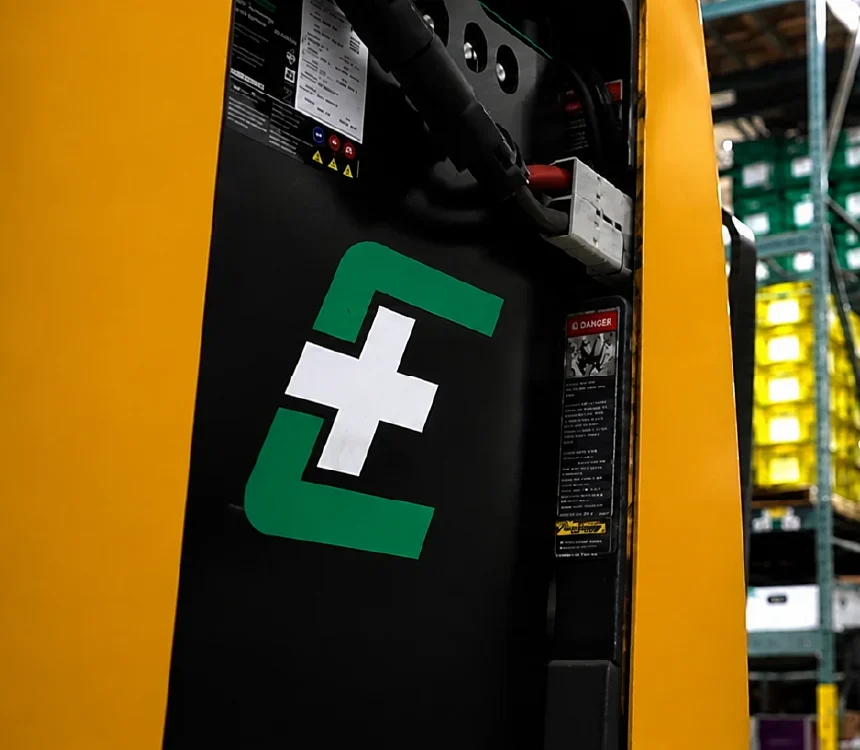
Ethium batteries are designed for opportunity charging, allowing operators to recharge during scheduled breaks, shift changes, lunches, and other periods when equipment would otherwise be idle.
A 15- to 20-minute charging session can restore up to 30% of the battery's charge. With the right battery sizing and charging schedule, these short charging opportunities can help keep equipment powered throughout multi-shift operations.
Instead of scheduling work around lengthy battery changes and charging cycles, opportunity charging lets you build charging into the workday.
24V To 80V Lithium-Ion Forklift Batteries
Ethium BBR batteries are available across the common voltage requirements of electric material handling equipment.
24V
24V Lithium-Ion Batteries
Available for compatible electric pallet trucks, walkie stackers, order pickers, and other low-voltage material handling applications.
36V
36V Lithium-Ion Batteries
Available for compatible electric forklifts and material handling equipment requiring 36V power.
48V
48V Lithium-Ion Batteries
Available for compatible electric forklifts, reach trucks, and other higher-demand material handling applications.
80V
80V Lithium-Ion Batteries
Available for compatible high-capacity and high-performance electric forklift applications requiring 80V power.
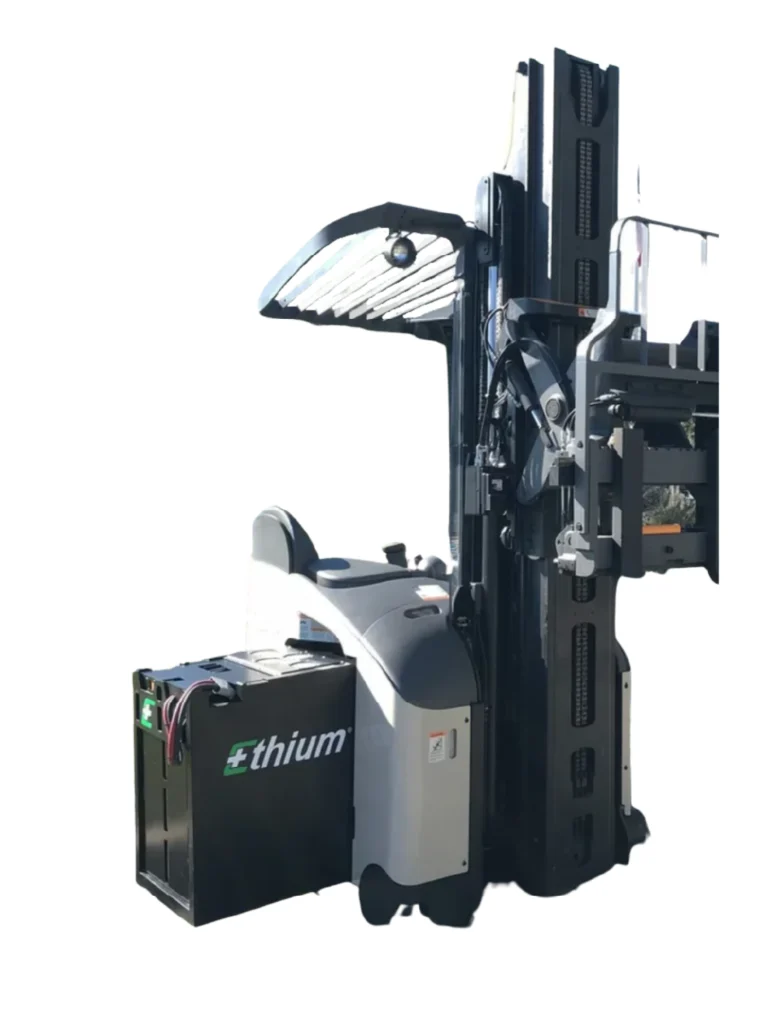
Exact battery selection depends on the equipment, battery compartment, voltage, capacity, weight, connector, and application requirements.
Where Do Lithium-Ion Forklift Batteries Fit Best?
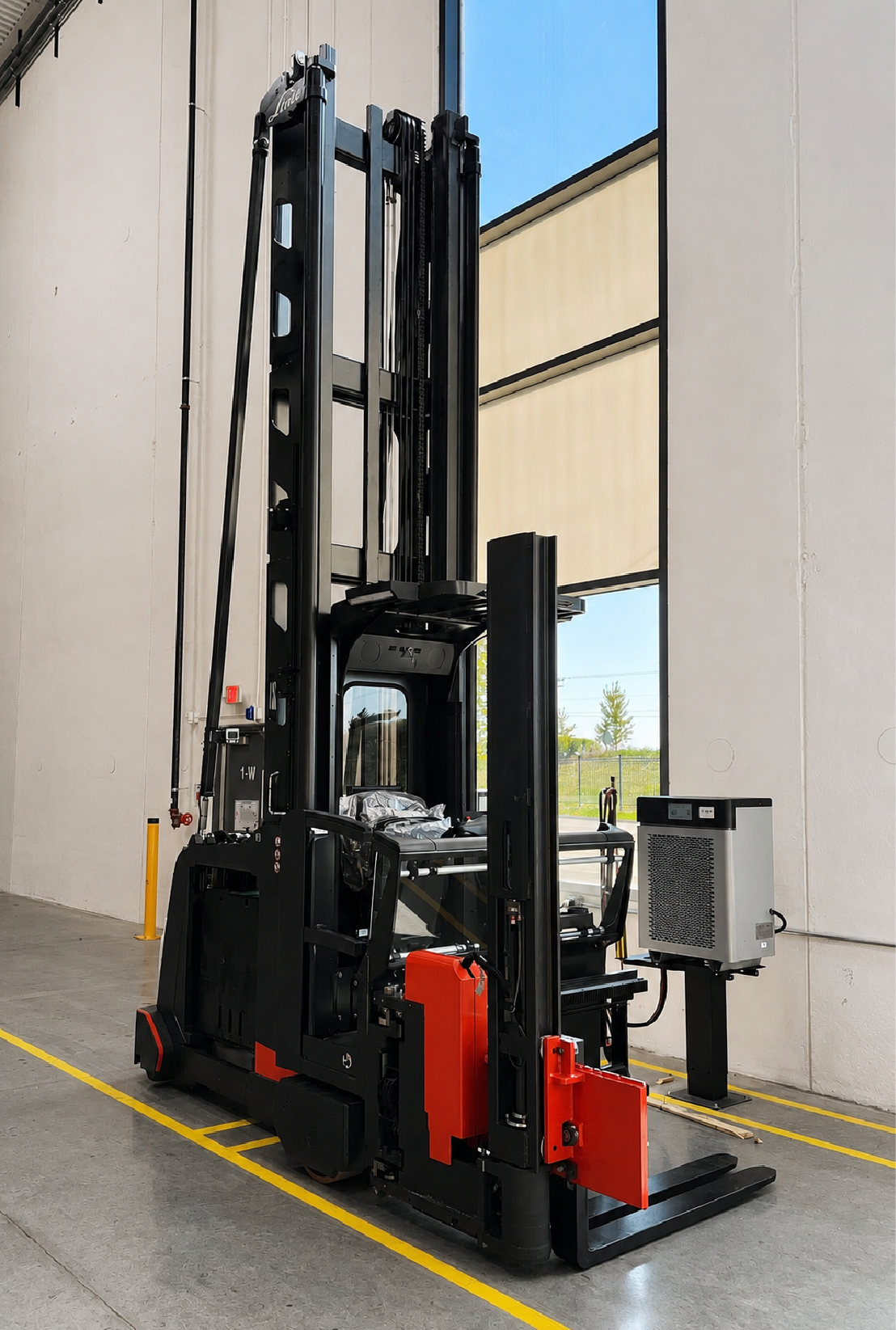
Lithium-ion isn't automatically the right choice for every electric forklift. Its operational advantages become particularly valuable when conventional battery charging, maintenance, or change-outs interfere with equipment availability.
Lithium-ion batteries are worth considering for:
Multi-shift operations
High-utilization forklift fleets
Applications with regular opportunities to charge during breaks
Operations managing multiple lead-acid batteries per truck
Facilities looking to reduce battery watering and maintenance
Operations where battery changes create equipment downtime
Facilities looking to reclaim space used for battery storage and changing
Fleets evaluating battery costs over the full operating lifecycle
A lightly used forklift operating a single shift may have a very different business case than equipment running continuously across two or three shifts. Battery technology should match the demands of the application.
Lithium-Ion Battery Management & Protection
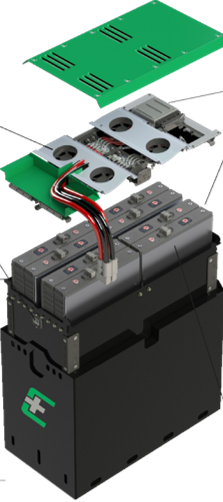
Every Ethium battery incorporates an embedded Battery Management System that continuously manages battery operation.
The BMS monitors and controls critical battery functions to help maintain performance and protect the lithium-ion cells during charging and discharge. Combined with LiFePO4 chemistry and active air cooling, this integrated system allows the battery to manage the demands of material handling applications and frequent opportunity charging.
Unlike flooded lead-acid batteries, Ethium lithium-ion batteries do not require watering or equalization and do not produce the same routine maintenance requirements associated with electrolyte management.
Built For Long-Term Fleet Use
Ethium lithium-ion batteries are designed to last more than 4X longer than conventional lead-acid batteries, with minimal degradation and virtually no memory effect. They are rated for up to 4,000 deep-discharge cycles while maintaining close to nominal capacity and are backed by an 8-year/4,000-cycle warranty.
That extended service life can be particularly important in high-use and multi-shift applications where battery replacement, maintenance, and downtime contribute to the total cost of powering the fleet.
Battery life alone, however, doesn't determine whether lithium-ion delivers the better value for an operation. The business case should also consider battery maintenance and change-out labor, equipment downtime, replacement battery requirements, charging infrastructure, and space dedicated to battery handling.
Is It Time To Convert Your Forklift Fleet To Lithium-Ion?
The best place to start is with your existing equipment and operating requirements.
Apex can help evaluate battery specifications, forklift compatibility, duty cycle, charging opportunities, and fleet requirements to determine whether Ethium lithium-ion batteries make sense for your operation.
Whether you're replacing one battery or evaluating lithium-ion across an entire fleet, we'll help you identify a battery solution that supports your equipment and operating demands. And with comprehensive forklift service and maintenance capabilities, Apex can support your material handling fleet well beyond the battery.


