
Lead-Acid Forklift Batteries
Proven Forklift Power Backed By Complete Battery Support
Lead-acid forklift batteries remain a proven, practical power solution for electric material handling equipment. Apex supplies industrial lead-acid batteries, chargers, battery-handling equipment, maintenance products, and services for forklift fleets throughout the greater Chicago area.
For operations with established charging infrastructure, appropriate maintenance practices, and predictable duty cycles, lead-acid technology can provide a reliable and cost-effective way to power electric forklifts and other material handling equipment.
Lead-Acid Batteries At A Glance
Proven power for electric forklift fleets
Cost-effective option for many single-shift and moderate-use applications
New and reconditioned forklift battery options
Conventional, opportunity, and fast-charge options
Battery maintenance, testing, and repair support
Charging room design, equipment, and installation
Apex can support the complete battery system from battery and charger selection to charging room design, installation, maintenance, and repair.
Lead-Acid Batteries For Electric Forklifts
Industrial lead-acid batteries are designed to provide reliable power for electric forklifts and other material handling equipment.
Unlike a typical automotive starting battery, a forklift battery is designed for repeated deep-discharge and recharge cycles. On counterbalanced electric forklifts, the battery may also serve as an important part of the truck's counterweight, making proper battery weight, dimensions, voltage, and capacity important equipment considerations.
Apex offers new and reconditioned forklift batteries from established industrial battery manufacturers, including Battery Builders, EnerSys, Bulldog, Deka, and SBS, along with our private-label forklift battery offering.
Battery selection should account for:
Apex can help match the battery and charging system to the equipment and application.
When Does Lead-Acid Make Sense?
Lithium-ion technology offers important advantages for many applications, but that doesn't make lead-acid obsolete. The right choice depends on how the equipment is used and the infrastructure already supporting it.
Lead-acid batteries can be a strong fit for:
Single-shift and moderate-use equipment
Fleets with sufficient time for conventional charging and cooling
Facilities with established battery charging infrastructure
Operations with trained personnel and effective battery maintenance programs
Fleets already equipped for battery changing and handling
Applications where initial battery cost is an important consideration
Higher-utilization and multi-shift applications can also use lead-acid power, but they may require additional batteries, battery changing, or a different charging strategy to maintain equipment availability.
The goal isn't simply to choose between lead-acid and lithium-ion. It's to select the power system that best supports the fleet's workload, charging opportunities, maintenance resources, and long-term operating priorities.
Lead-Acid Forklift Battery Charging
Proper charging is critical to lead-acid battery performance and service life. Charging requirements depend on the battery, charger, duty cycle, and charging strategy.
A common approach for conventionally charged flooded lead-acid forklift batteries is the 8-8-8 cycle:
- 8 hours of operation
- 8 hours of charging
- 8 hours of cooling
The cooling period matters because battery temperature rises during charging. Returning a battery to demanding service before it has adequately cooled can contribute to excessive operating temperatures and shorten battery life.
The 8-8-8 cycle is a conventional charging guideline, not a rule for every lead-acid application. Opportunity and fast-charge lead-acid systems are also available when the battery, charger, and operating schedule are designed to support those charging strategies.
Apex can help determine the appropriate charger and charging approach based on your battery specifications and fleet requirements.
Lead-Acid Battery Maintenance Matters
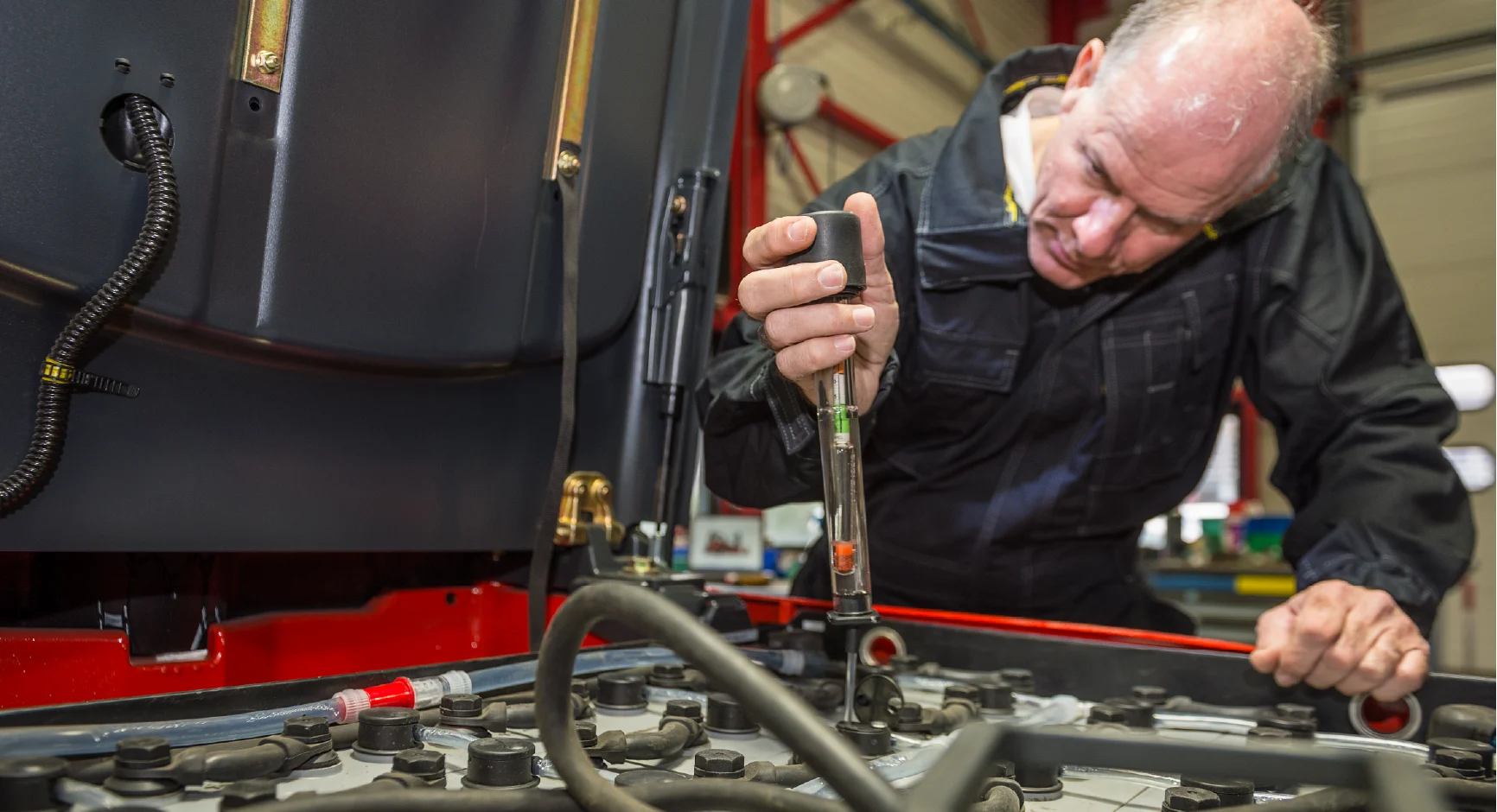
Flooded lead-acid batteries require regular care to maintain performance and service life. Watering, charging practices, cleanliness, temperature, and battery condition can all affect how well the battery performs.
Routine battery maintenance may include:
Checking electrolyte levels
Adding approved water at the proper point in the charging cycle
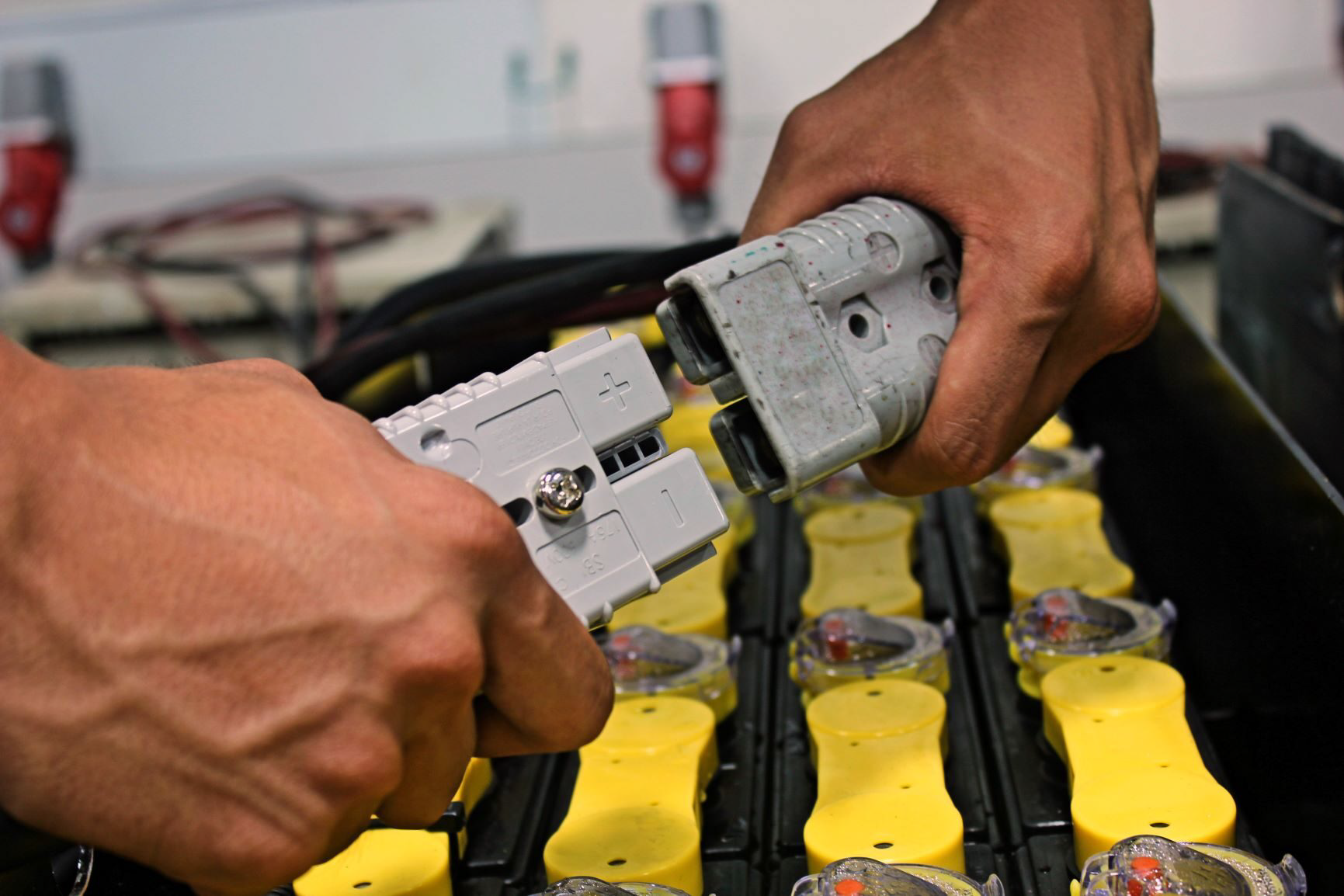
Inspecting cables and connectors
Checking inter-cell connections
Cleaning battery surfaces and removing corrosion
Monitoring cell voltage and specific gravity
Inspecting for physical damage or leaks
Verifying proper charger operation and battery/charger matching
Overwatering, underwatering, improper charging, excessive heat, and poor maintenance can reduce battery performance and shorten service life.
Apex provides battery inspections, load testing, reconditioning, charger testing and repair, and planned battery maintenance to help identify problems before they result in unnecessary equipment downtime.
Battery Charging Room Design & Installation
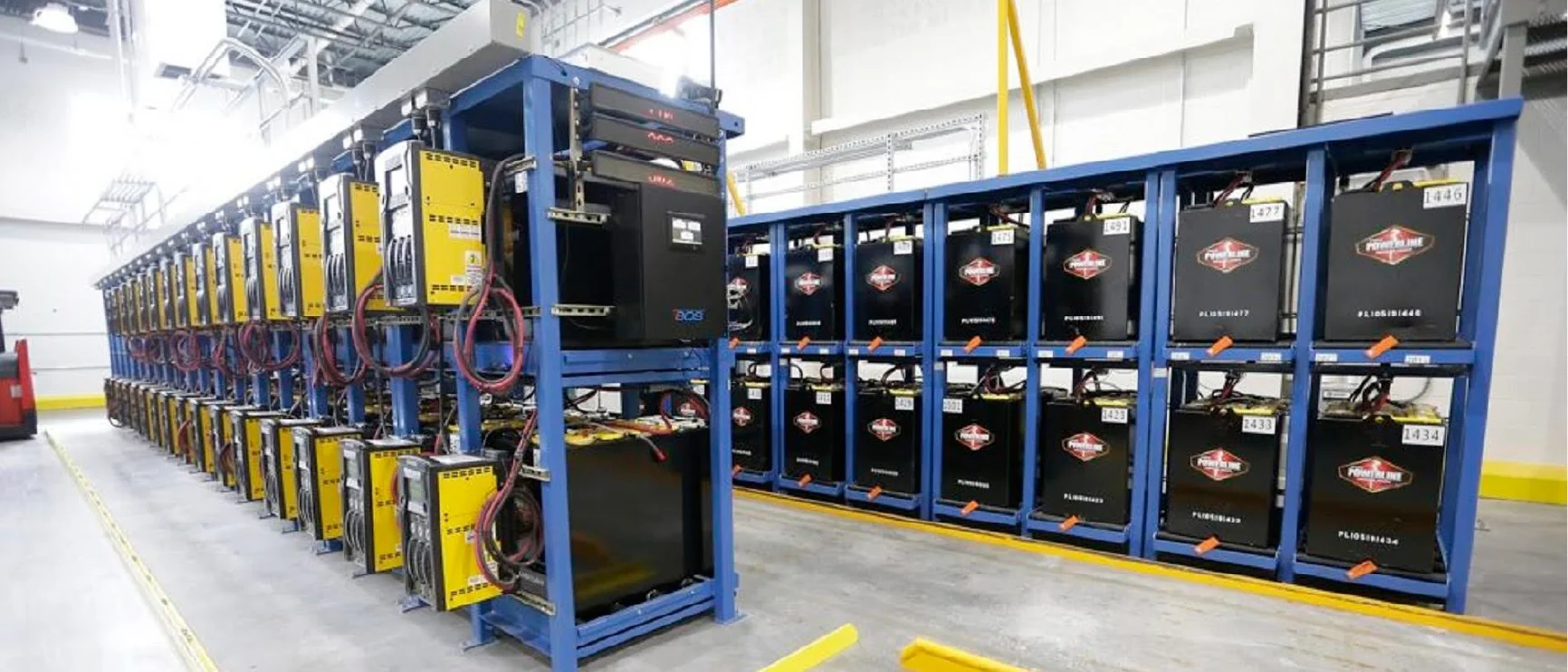
For operations managing multiple lead-acid batteries, the charging area becomes an important part of the material handling system.
Apex can help plan, equip, and install battery charging and changing areas based on fleet requirements, available space, equipment flow, battery handling needs, and the charging strategy.
Charging room and battery handling solutions can include:
Battery chargers
Battery stands and racks
Transfer carts
Battery changing and handling equipment
Hoists, cranes, and rigging
Battery watering systems and watering carts
Battery cleaning and wash equipment
Spill response products
Eye wash stations
Battery safety accessories
Thoughtful planning can improve access for charging and maintenance while supporting safer, more efficient battery changes and material flow.
Support Your Forklift Battery Fleet With Apex
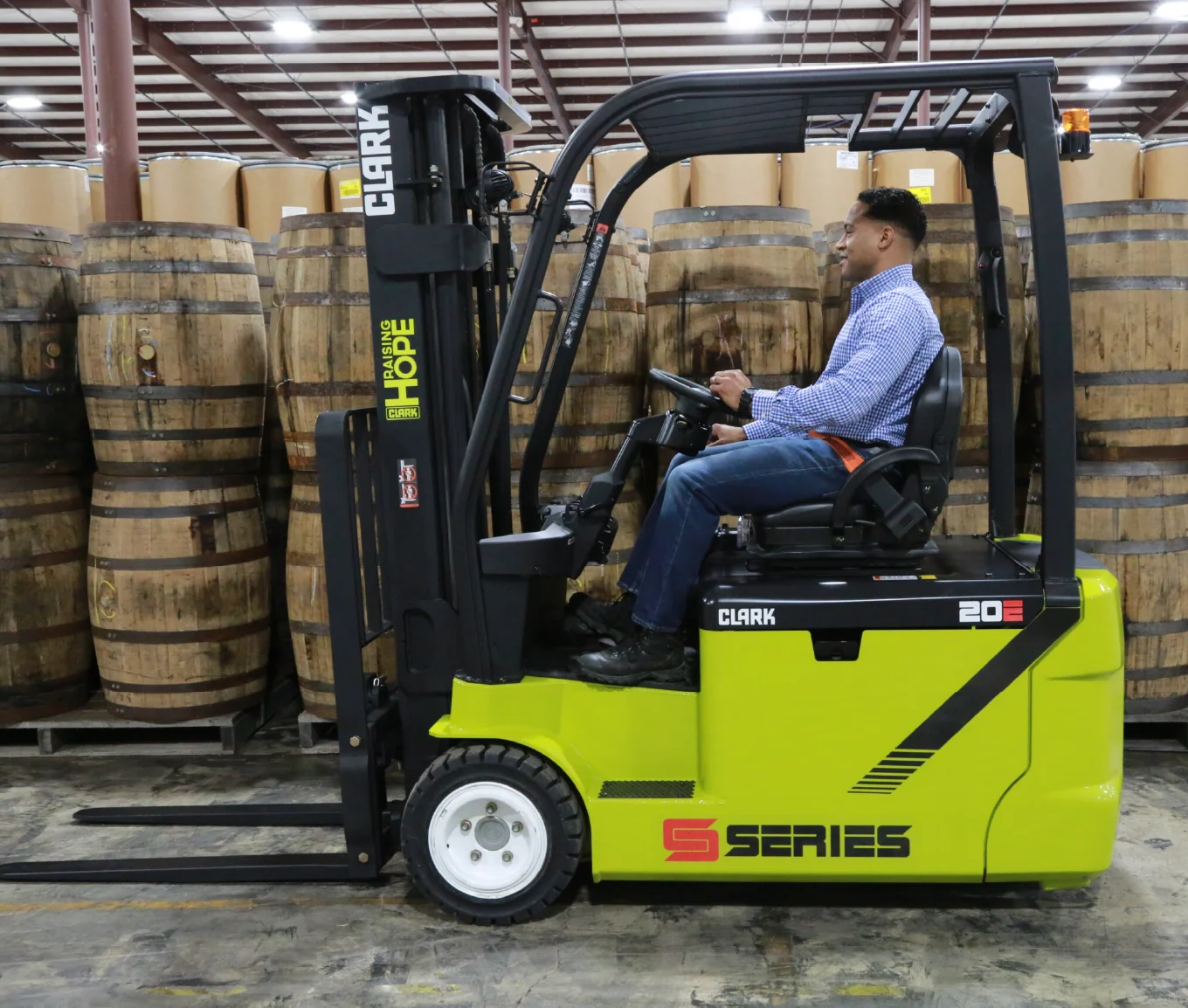
Electric forklift battery performance depends on more than the battery itself. Proper sizing, charging, maintenance, handling, and supporting infrastructure all contribute to a reliable forklift power system.
Apex provides lead-acid forklift batteries, chargers, battery handling equipment, charging room solutions, maintenance, and repair for material handling operations throughout the greater Chicago area.
Whether you need a replacement battery, help troubleshooting an existing battery and charger, or support planning a complete charging area, our team can help you determine the right solution for your fleet.


