
Electric Forklifts in Chicago
Versatile electric lift trucks for warehouse and industrial applications
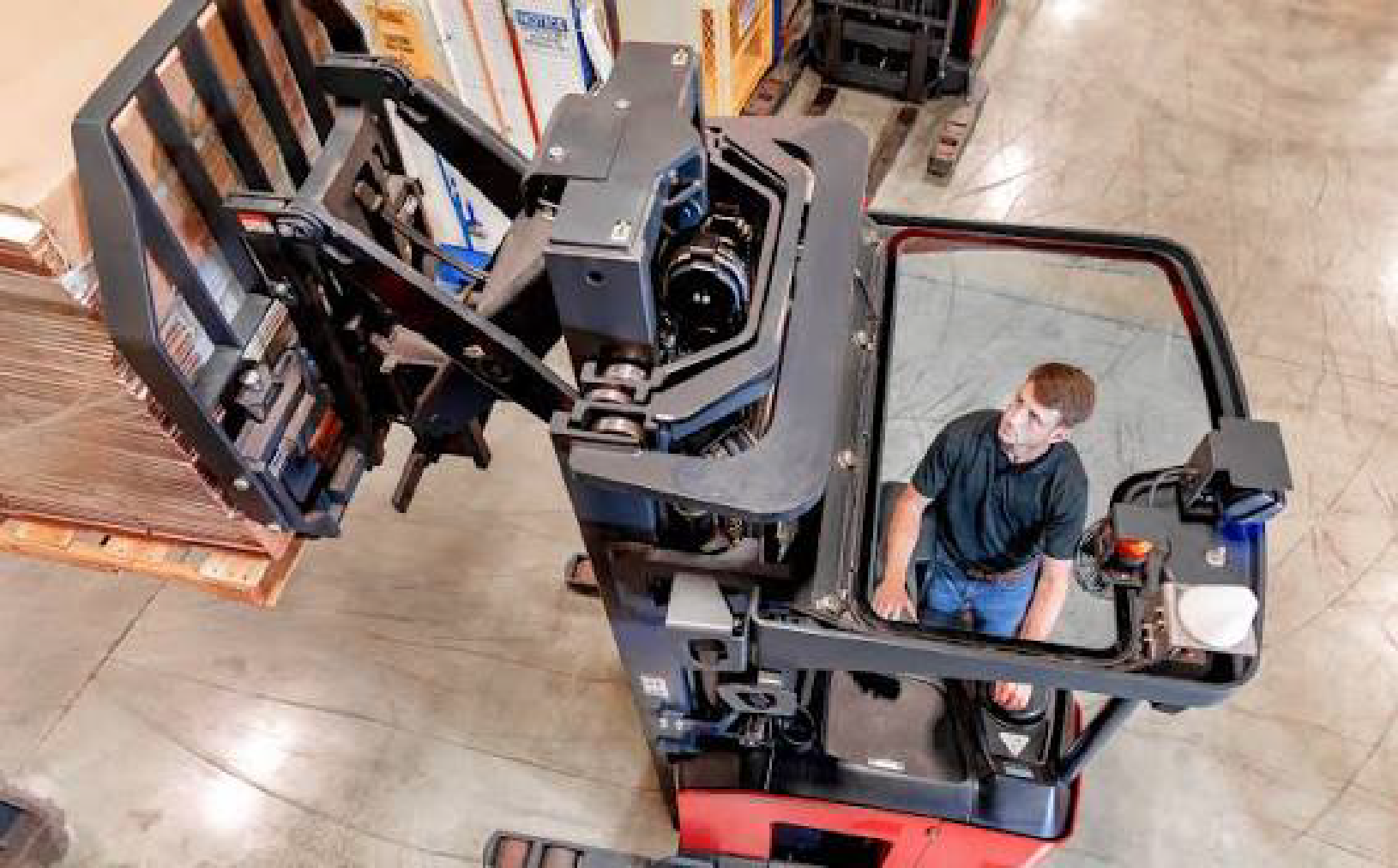
Apex Companies helps Chicago-area businesses select electric forklifts that fit their operations, facility layouts, and material handling needs.
We offer equipment solutions for warehouse, distribution, and manufacturing applications:
- Counterbalance trucks
- Reach trucks
- Order pickers
- Pallet jacks
We serve the Greater Chicago Area, including North Aurora, Aurora, Oak Brook, West Chicago, Schaumburg, and Deerfield.
Want equipment matched to how your facility actually runs?
Electric Forklift Solutions for Chicago Warehouses
Electric equipment isn’t automatically the right answer. It’s the right answer under specific conditions, and several of those conditions are common in Chicago-area facilities.
Indoor air quality and CO control
Electric forklifts produce no exhaust emissions during operation, making them well suited for indoor facilities where ventilation and air quality are concerns.
Noise
Electric forklifts generally operate more quietly than internal combustion models, helping reduce equipment noise in busy warehouses, manufacturing facilities, and distribution centers.
Multi-shift charging economics
Lithium-ion batteries support opportunity charging during breaks, helping reduce battery changes and equipment downtime in multi-shift operations.
Propane still qualifies in the right building
Plenty of facilities run propane indoors safely with ventilation, maintenance, and monitoring in place. It is a fit question: air exchange, duty cycle, and who runs the monitoring.
Electric Forklift Types We Carry
Electric covers a wide range of equipment, from a 10,000 lb. counterbalance truck to a walk-behind pallet jack. Use the sections below to narrow toward the vehicle class that fits your aisles, your loads, and your pick method.
Equipment Classes
Sit-down counterbalance
2,500 to 10,000 lb. capacity
Reach and VNA trucks
Narrow-aisle, high-rack storage
Order pickers
Case and split-case fulfillment
Electric pallet jacks and walk-behind trucks
Dock-level horizontal movement
Pallet stackers
Light lifting in tight footprints
Electric Sit-Down Counterbalance Forklifts
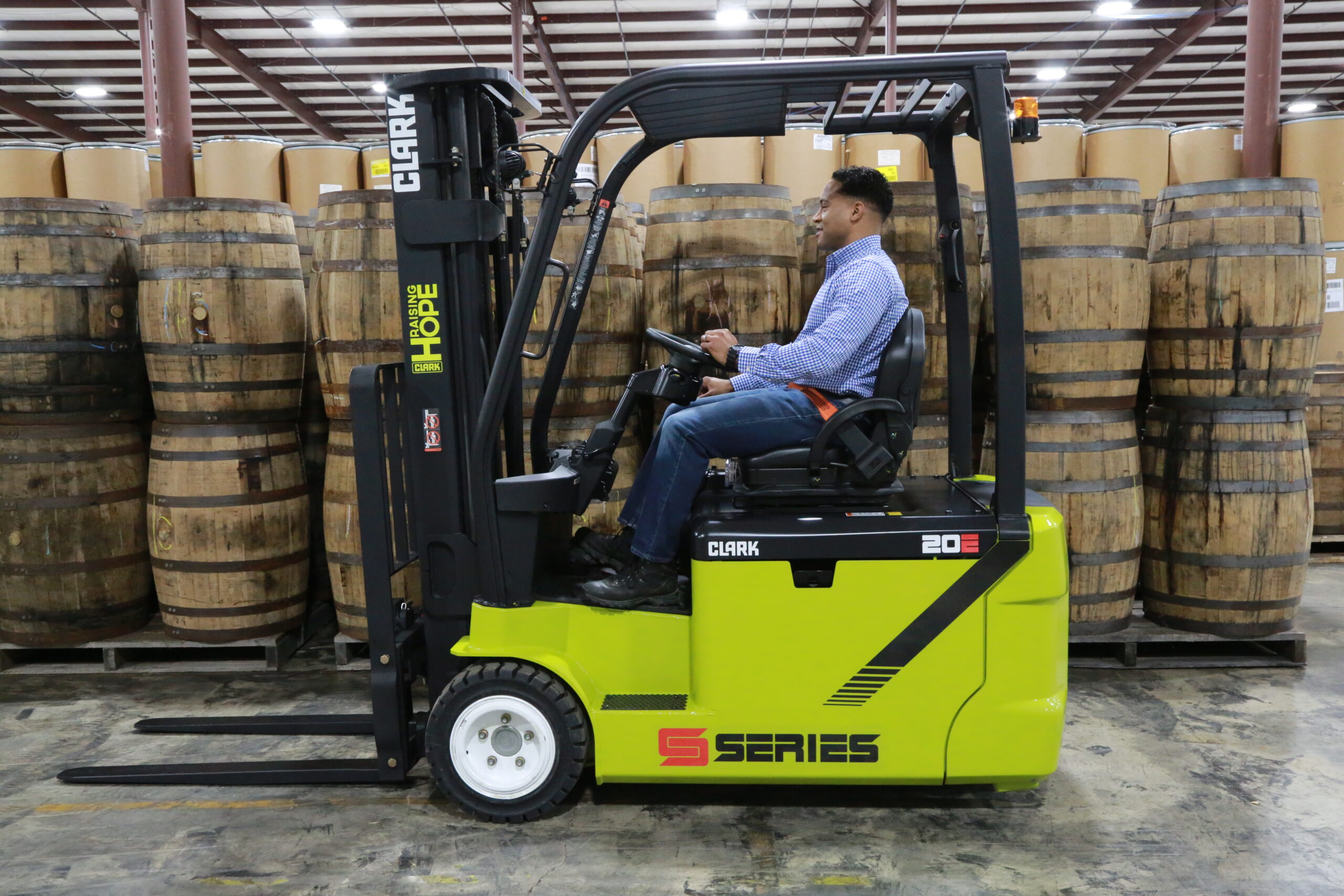
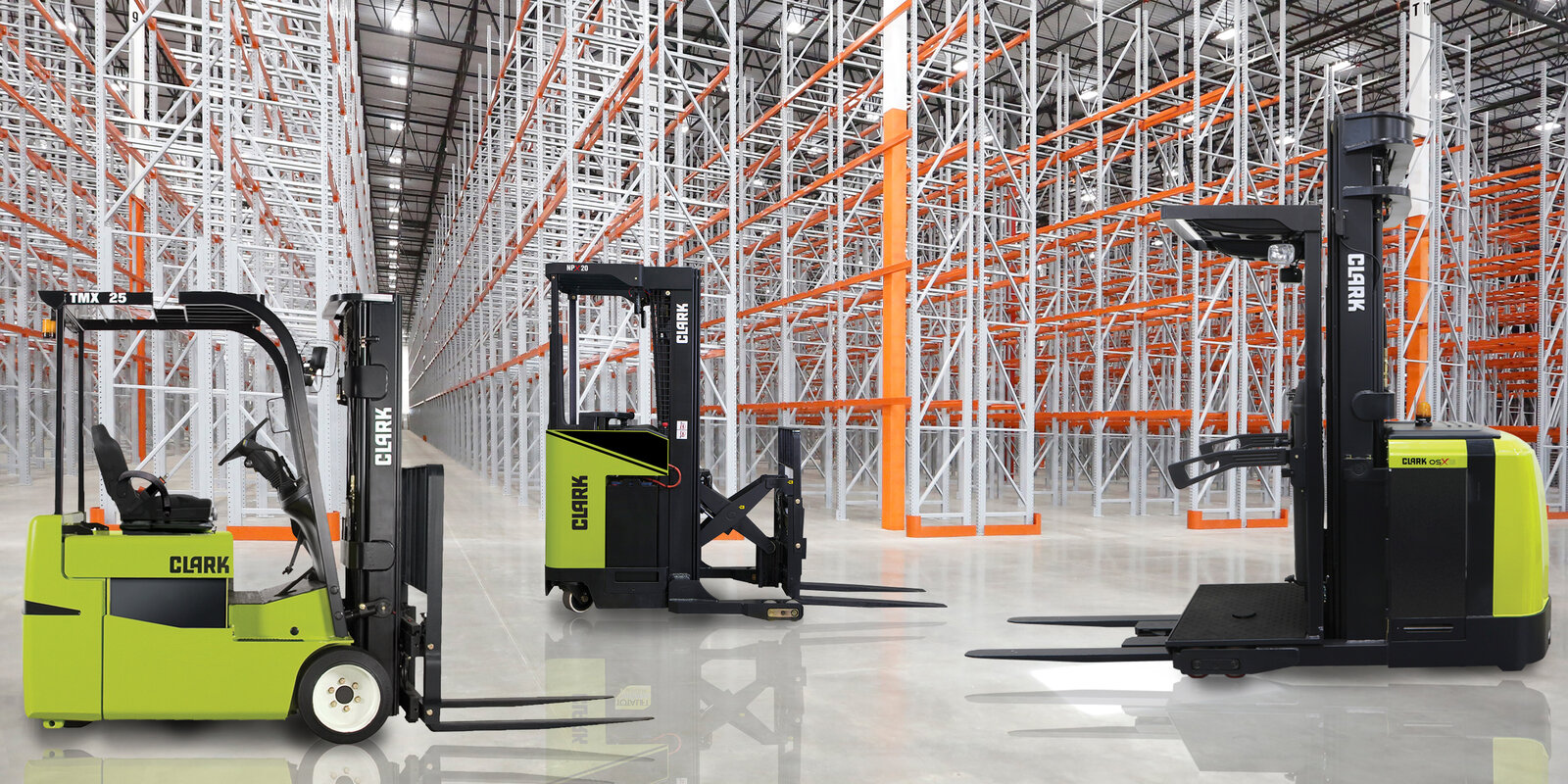
Electric sit-down counterbalance forklifts handle everyday warehouse tasks, including trailer loading, staging, put-away, and rack replenishment. Available in capacities from 2,500 to 10,000 lbs., these trucks are well suited for indoor use, with select models configured for outdoor applications. Apex offers Linde electric counterbalance forklifts and CLARK electric counterbalance forklifts with lead-acid and lithium-ion battery options.
Electric Reach Trucks
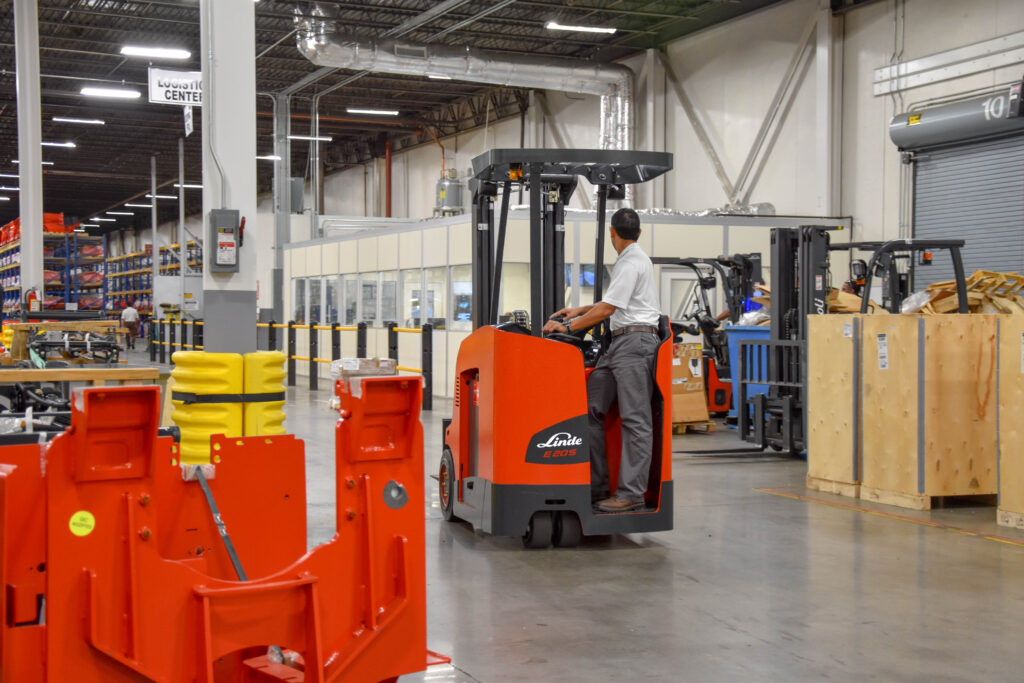
Electric reach trucks are designed for narrow-aisle, high-rack storage applications, allowing facilities to maximize vertical storage space while maintaining access to inventory. Turning radius, lift height, and aisle width requirements vary by model, making equipment selection important. Apex offers Linde narrow aisle and VNA trucks and CLARK reach trucks for warehouse and distribution operations.
Electric Order Pickers
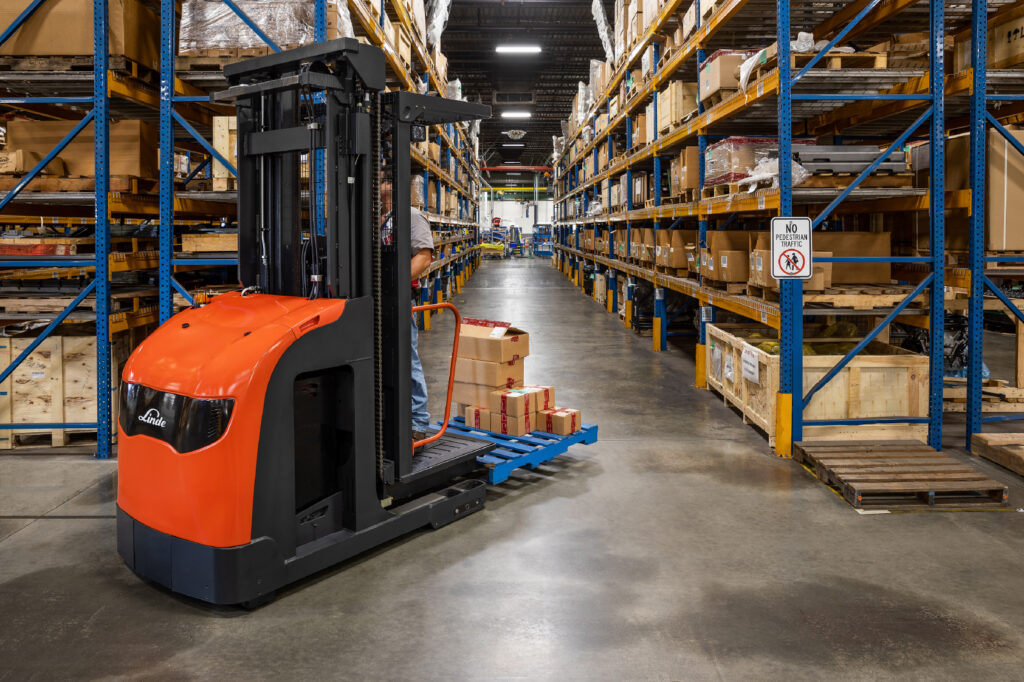
Order pickers use an operator-up design, so the operator rises with the platform to pick at the rack face. That suits case-level and split-case picking in fulfillment and distribution environments where product moves in less-than-pallet quantities.
Fit depends on pick height, pick rate, and how your slotting is set up. Apex supplies Linde order pickers and CLARK order pickers for warehouse equipment needs in the Chicago area.
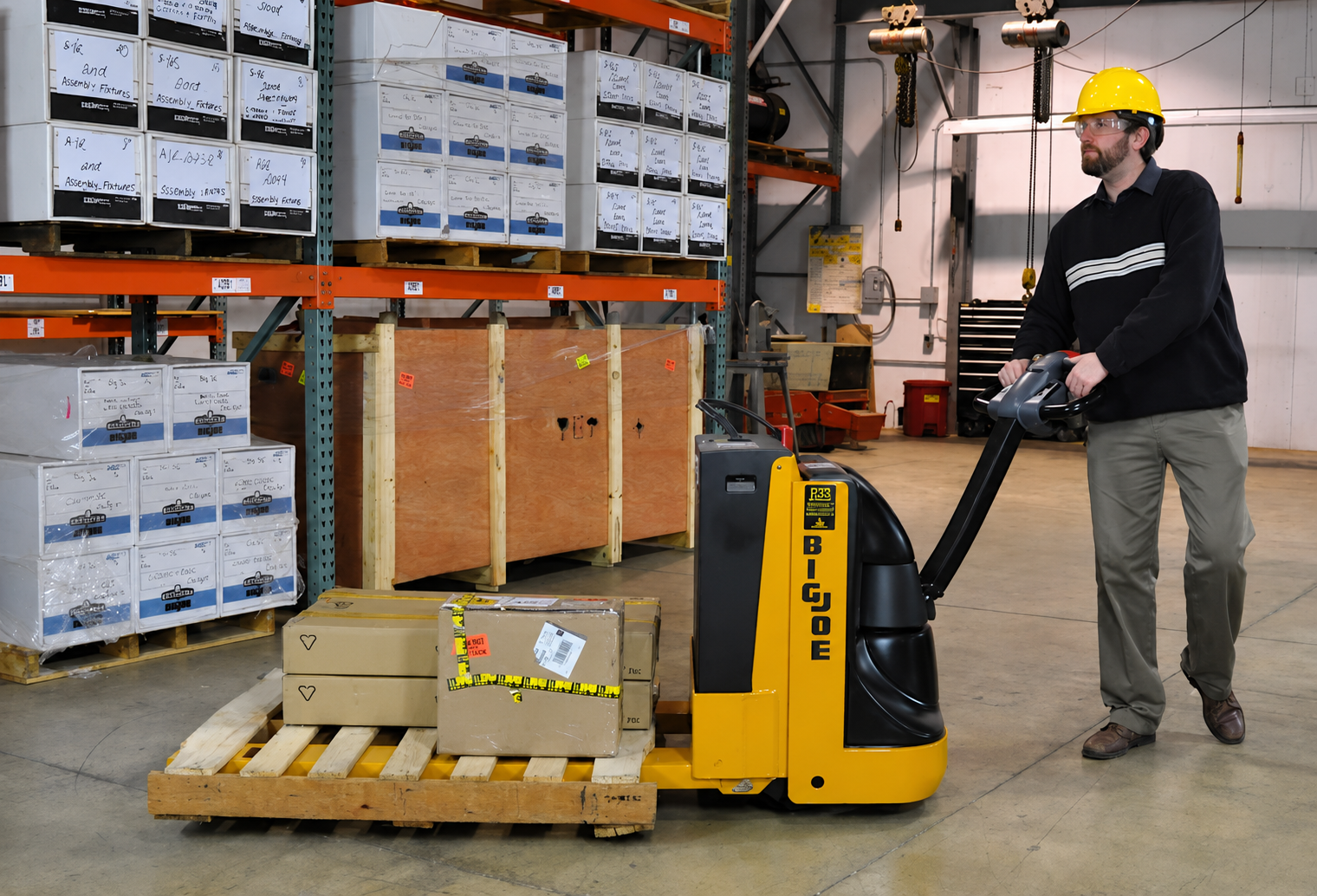
Electric Pallet Jacks and Walk-Behind Trucks
Electric pallet jacks move loads horizontally at dock level, into trailers, and along staging lanes. They’re the workhorse of high-cycle operations where the lifting is minimal but the travel is constant.
Apex carries Linde electric pallet jacks, CLARK pallet jacks, walkies, and pallet stackers, and the Big Joe compact electric line, which includes lithium-ion powered models.
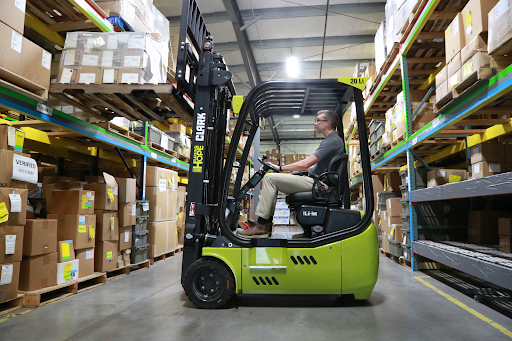
3-Wheel Electric Forklifts
Three-wheel electric forklifts offer tighter turning radii than four-wheel models, making them well suited for warehouses with limited aisle space and frequent maneuvering. Common applications include grocery distribution, beverage warehouses, and manufacturing facilities. Apex offers CLARK three-wheel electric forklifts for operations where maneuverability is a priority. Load capacity, lift height, and stability requirements should guide equipment selection.
Lithium-Ion vs. Lead-Acid: What Chicago Buyers Should Know
Battery chemistry is usually the second decision after truck class, and it changes your charging room, your labor plan, and your maintenance routine. Neither option is better in general. They’re better under different conditions.
How to decide. Count your shifts, look at your charging infrastructure and available power, check whether you have swap-room floor space you’d rather use for storage, and estimate your real utilization rate per truck. Apex supports both chemistries and can walk the building with you. Charger sizing, placement, and infrastructure are covered on the forklift batteries and chargers page.
Lead-Acid (Flooded and AGM)
- Lower upfront cost
- Flooded batteries require watering and equalization
- Requires electrolyte handling and safety precautions
- Multi-shift use may require battery swapping
Lead-acid batteries offer a lower upfront cost, making them a practical choice for single-shift operations with predictable charging schedules. Flooded lead-acid batteries require designated charging areas with appropriate ventilation and safety precautions to manage charging gases and electrolyte hazards.
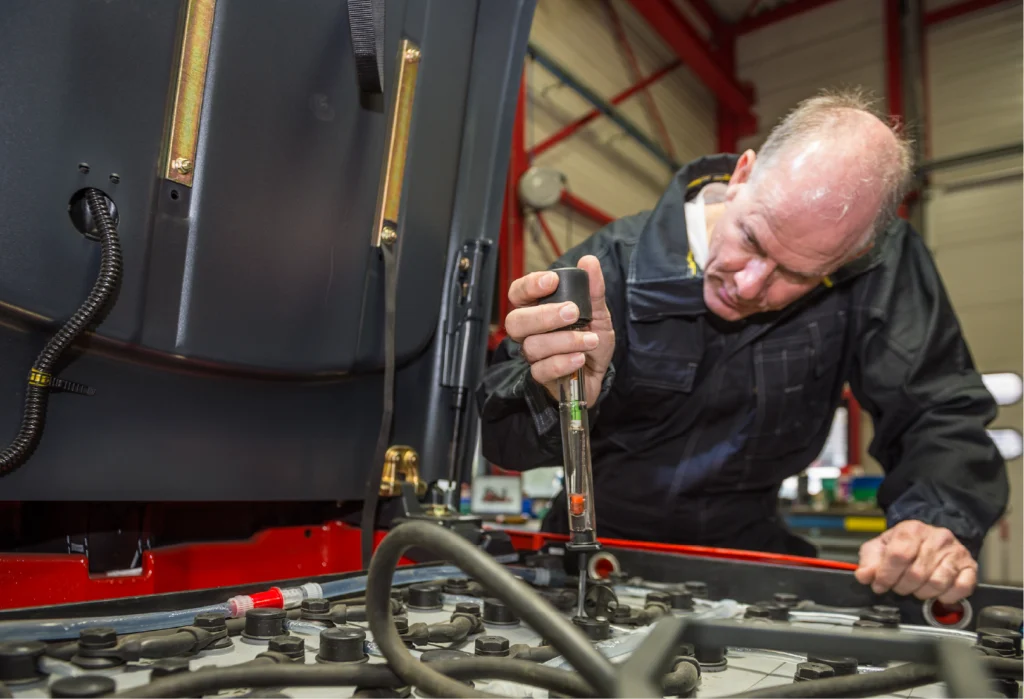
Lithium-Ion
- Faster charging than lead-acid
- Supports opportunity charging between shifts or during breaks
- No battery watering or equalization required
- Higher upfront cost
In high-utilization operations, lithium-ion may reduce lifetime operating costs when charging overhead and maintenance savings offset the initial investment. In lower-utilization single-shift operations, that math may not justify the higher upfront cost. Charging areas must also meet applicable safety requirements, manufacturer guidelines, and local fire codes.
Electric Forklift Brands Available Through Apex
Apex carries multiple electric lines rather than a single manufacturer, which means the recommendation can follow your application instead of a brand quota.

Linde
A wide range of clean, quiet, battery-powered forklifts for warehouses, distribution centers, manufacturing plants, and yard work. Lead-acid and lithium-ion options are available across the counterbalance, reach, and order picker lineup.

CLARK
Built on more than a century of forklift engineering. The electric line spans counterbalance trucks, reach trucks, order pickers, turret trucks, and walkies in both lead-acid and lithium-ion configurations.

BYD
BYD manufactures the forklift, battery, and charger as an integrated system. Its LiFePO4 batteries are maintenance-free, recharge fully in 60 to 90 minutes, and support opportunity charging, making them well suited for high-utilization, multi-shift operations.

Big Joe
Compact electric walkies, stackers, and tow tractors built for tight spaces and high-cycle indoor work, including lithium-ion powered models. A practical option when floor space is the constraint and full counterbalance capacity isn’t needed.
Electric Forklift Rental and Leasing in Chicago
Not every fleet decision should be a purchase. Rental and lease structures exist so equipment access can match how long you actually need the truck.
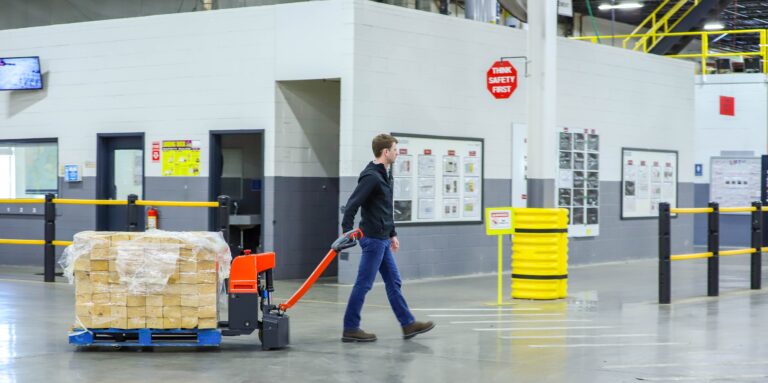
Short-term rental
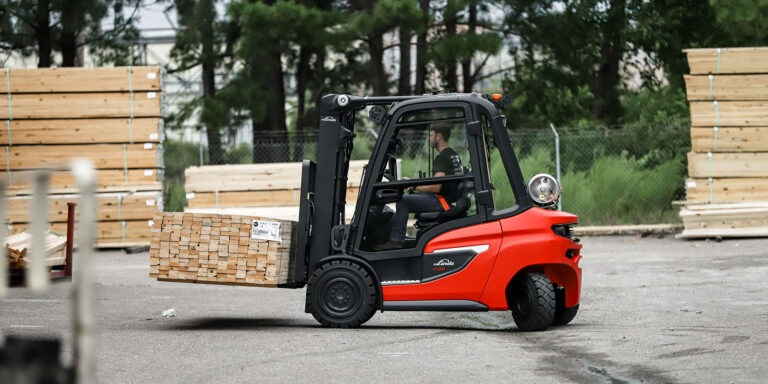
Covers seasonal demand spikes, equipment breakdowns, and project-specific work. If a truck is down for an extended repair, a rental keeps the shift moving instead of redistributing work across the fleet.
Long-term lease
Long-term leasing offers predictable monthly payments, with maintenance options available to help manage ongoing equipment costs.
Lease-to-own and financing
Suit buyers who intend to own the equipment but want a structured payment path rather than a capital outlay.
Fleet flexibility is the practical advantage of working with one provider across all three. You can start with a rental to confirm that an electric truck fits your aisles and duty cycle, then move to lease or purchase once the application is proven. Pricing, availability, and terms are confirmed by an Apex representative for your specific requirement.
Forklift Operator Training for Electric Equipment
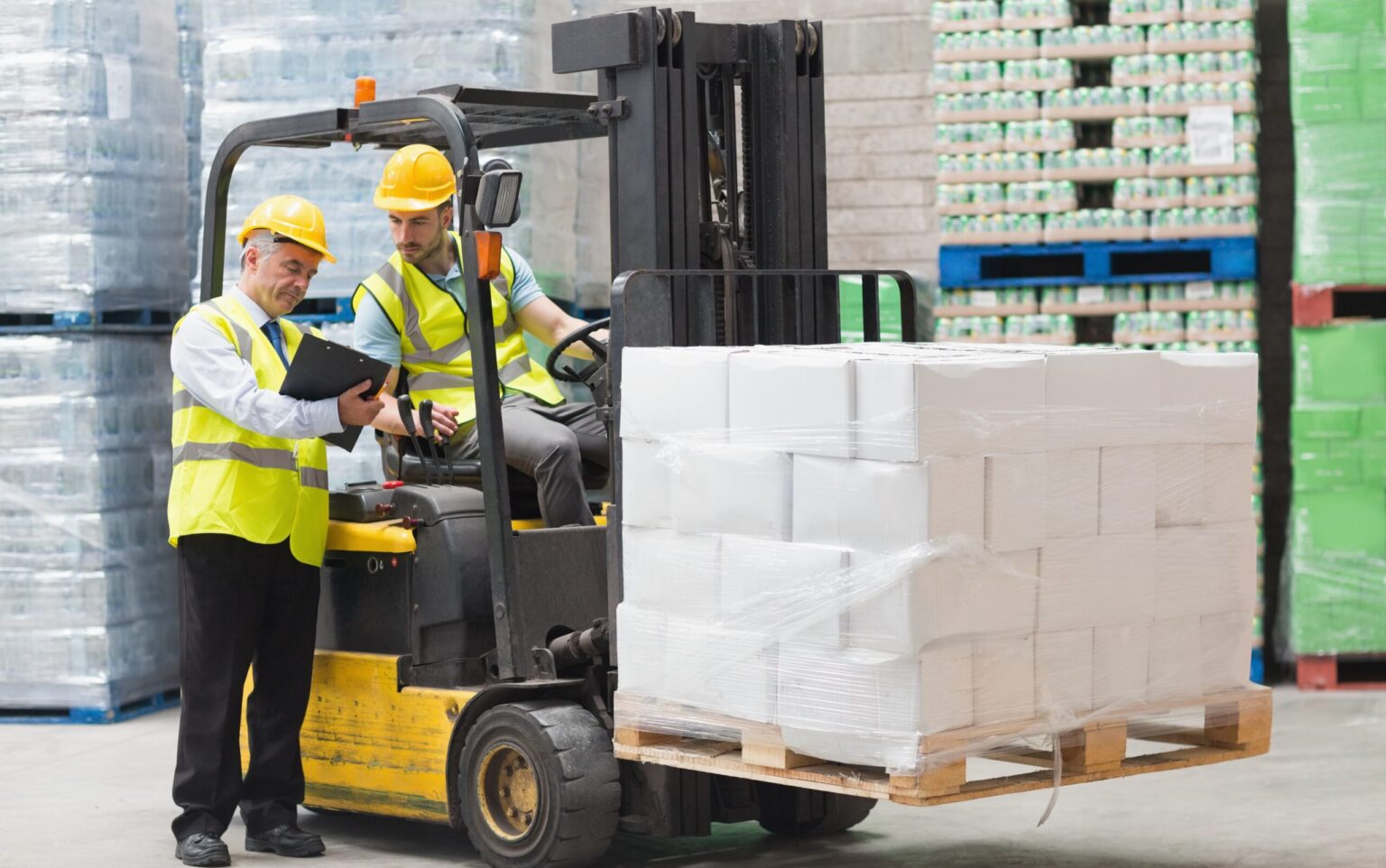
Electric forklift operators need training and evaluation appropriate to the equipment they use and the conditions in which they operate. While many operating principles apply to both electric and internal combustion forklifts, electric equipment introduces additional considerations, including battery charging, pedestrian awareness, and safe operation in confined spaces.
Apex Companies offers forklift operator training and train-the-trainer programs to help businesses develop safe operating practices and meet applicable OSHA training requirements. Training can address the equipment, workplace conditions, and operating hazards relevant to your facility.
Apex offers on-site group forklift operator training that combines classroom instruction with practical, hands-on training and evaluation using the equipment and operating conditions at your facility.
| Electric-specific training elements | |
|---|---|
| 01 | Regenerative braking and how deceleration behavior differs from IC equipment |
| 02 | Battery management and state-of-charge awareness |
| 03 | Proper charging and connection procedures |
| 04 | Handling differences in torque delivery, travel speed, and noise cues |
Parts, Service, and Maintenance for Electric Forklifts
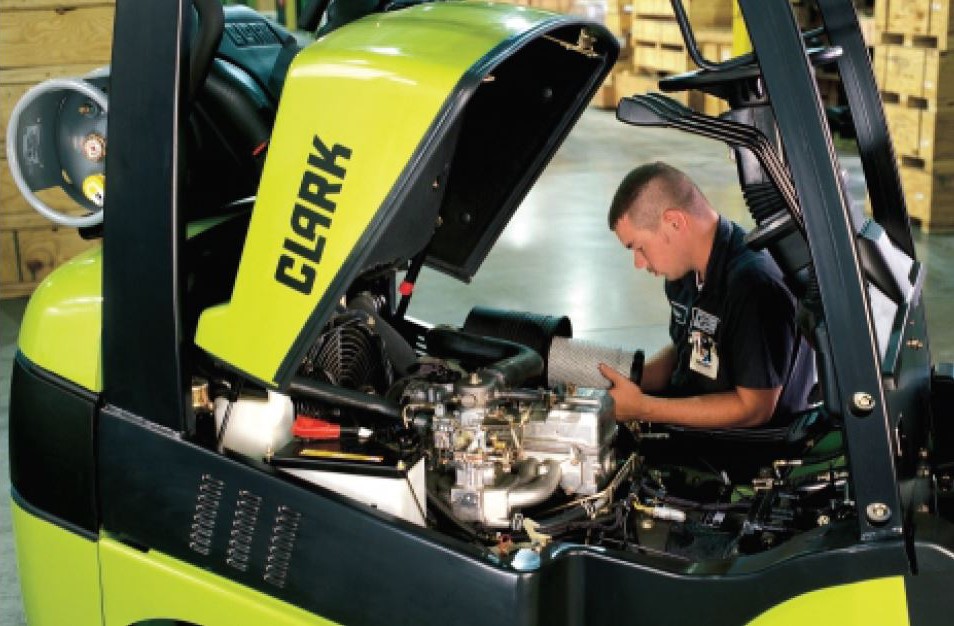
Electric equipment shifts the service profile. You spend less time on engine work and more on battery health, charging systems, and motor controls. The service plan should reflect that.
Apex provides parts, maintenance, and service for all major manufacturers’ products, whether or not the equipment came from us. Our factory-trained service technicians work with genuine OEM replacement parts, which keeps the repair consistent with manufacturer specifications. Full detail is on the forklift parts and service page.
Electric-specific service includes:
Preventive maintenance is where most of the value sits. Scheduled service catches a failing cell, a worn contactor, or a charger fault before it becomes an unplanned outage in the middle of a shipping window. Programs are built around your run hours and application through forklift maintenance, and battery and charger work specifically is covered under battery and charger service.
Service coverage runs across the Greater Chicago Area, with 24-hour on-call forklift service available when equipment goes down outside normal hours.
Frequently Asked Questions About Electric Forklifts in Chicago
What is the difference between a 3-wheel and 4-wheel electric forklift?
Three-wheel electric forklifts generally have tighter turning radii, making them well suited for confined spaces and frequent maneuvering. Four-wheel models may be better suited for heavier loads or applications requiring greater stability. The right choice depends on load capacity, aisle width, operating conditions, and the specific truck model.
Can electric forklifts be used outdoors in Chicago?
Some models handle limited outdoor use and others are built for indoor work only. The deciding factors are tire configuration (cushion tires for smooth surfaces, pneumatic for rough or uneven yard surfaces), the truck’s weather sealing rating, and duty cycle limitations by model. Chicago winters and wet dock aprons make this worth confirming rather than assuming. Talk to Apex about your specific yard and surface conditions before selecting a configuration.
How do I choose between lithium-ion and lead-acid batteries?
Start with four inputs: how many shifts you run, what charging infrastructure and electrical capacity you already have, whether you have space for a swap room, and how many hours per day each truck actually runs. High utilization across multiple shifts tends to favor lithium-ion. Lower-hour single-shift operations often stay with lead-acid. The battery comparison section above covers the trade-offs in more detail.
What is the typical lead time for an electric forklift in the Chicago area?
Lead times vary by manufacturer, model, configuration, and availability. Some electric forklifts may be available from existing inventory, while others require factory orders. Apex can help you evaluate available options and expected delivery timelines.
Does Apex service electric forklifts it did not sell?
Yes. Apex provides parts, maintenance, and service for all major manufacturers’ products, regardless of where the equipment was purchased.
What OSHA requirements apply to electric forklift operators in Illinois?
OSHA requires forklift operators to receive training and evaluation appropriate to the equipment they operate and their workplace conditions. Employers are responsible for ensuring operators are properly trained and evaluated before operating forklifts independently.
Talk to an Apex Electric Forklift Specialist
Whether you’re replacing one truck or planning a full electric fleet transition, the useful next step is a conversation about your building: your aisles, your rack, your shift structure, and your charging setup. Prefer to talk it through? Call (630) 957-4020 and ask for a forklift specialist.
With a local presence serving Chicago and the surrounding suburbs, Apex provides equipment sales, parts, service, and operator training through one organization. If you’re still comparing options, you can also browse pre-owned electric equipment or schedule a facility walk-through so we can measure aisles and review your charging layout before recommending anything.


