
Lithium-ion Forklifts Check All The Boxes For Efficiency. Should You Jump In?
Warehouse managers have more power source options than ever when it comes to forklifts — and lithium battery forklifts are quickly rising to the top of the list. Known for their clean energy, low maintenance, and long-term value, lithium-powered forklifts offer compelling advantages over both internal combustion and traditional lead-acid battery models.
So, when does it make sense to go lithium? In this blog, we’ll break down the key advantages, best-fit applications, and what to consider before adding lithium battery forklifts to your fleet.
What Are Lithium-ion Forklifts?
Lithium-ion forklifts are electric-powered trucks that use advanced lithium battery technology instead of traditional lead-acid batteries or fuel-based engines. Known for fast charging, long battery life, and clean, maintenance-free operation, they’ve become a smart alternative for warehouses and distribution centers seeking greater uptime and lower operational costs.
Lithium-ion vs. Internal Combustion
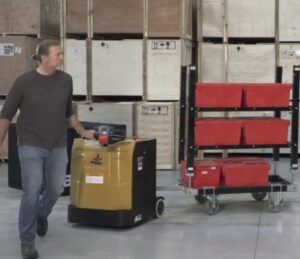
The venerable internal-combustion forklift was the workhorse of material handling for over a century. And they range from the relatively clean LPG-powered warehouse forklifts to the massive diesel-powered shipyard behemoths.
Lithium-ion forklifts can easily handle the power requirements for warehouse pallet movers and are well on their way to tackling the big jobs. In fact, they’ve already bested lead-acid battery forklifts for some of the really heavy-duty tasks.
Let’s look at the advantages of switching from IC forklifts to forklifts powered by lithium-ion batteries:
- Lower Operating Costs – Lithium-ion battery forklifts eliminate many of the maintenance requirements of internal combustion (IC) models. There are no oil changes, air filters, or fuel systems to manage — just a streamlined electric motor. This translates to higher equipment availability, less downtime, and lower long-term operating costs.
Unlike fuel prices, which can be highly volatile, electricity rates tend to be more stable and less affected by seasonal or global market fluctuations — helping you better predict and manage energy expenses over time.
- Environmental Benefits – Li-ion forklifts produce zero emissions, resulting in a cleaner, healthier work environment. No chance of fuel leaks or spills. Less chance of contaminating the product being moved.
- Longer Forklift Lifespan – Lithium-ion forklifts have fewer moving parts, again, just a motor and a battery. This leads to fewer opportunities for downtime.
Lead-acid vs. Lithium-ion Batteries
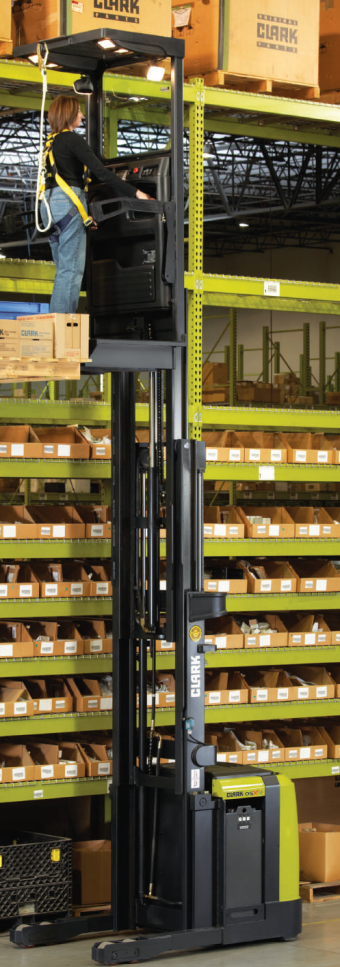
It may come as a surprise, but electric forklifts have been around as long as their internal-combustion engine counterparts. Over the last half-century, however, these cleaner, less polluting machines have pulled far ahead of IC trucks, to the point that today some 60 to 70% of forklifts sold are powered by lead-acid batteries.
However, lead-acid electric forklifts have some severe limitations: They only deliver about 6-8 hrs. of service before needing to be charged, their power diminishes over their in-service period, and flooded lead-acid battery management is, frankly, a complicated and messy process.
The pros and cons of lead-acid forklifts vs. lithium-ion batteries have been extensively covered in blogs and articles since the latter first appeared some 30 years ago. The key advantages of forklifts powered by lithium-ion batteries compared to lead-acid batteries are:
- Ability to work on a 3 shift basis. Li-ion forklifts can be fully charged in a few hours. During normal use, they can be “opportunity-charged” during lunch breaks and other downtime to give them nearly 100% uptime.
- No loss in power. Whereas lead-acid batteries’ power output diminishes during their 6-8 hours of use, Li-ion batteries maintain their power level throughout their in-service period.
- Longer lasting. Li-ion batteries offer up to 10 years of service, compared to lead-acid batteries, which wear out after about 5 to 7 years.
- Better for low-temperature applications. Li-ion batteries don’t lose power in freezers or outdoors on a winter’s day. Lead-acid batteries get sluggish under those conditions.
- Maintenance-free. Li-ion batteries are sealed and require no maintenance. Lead-acid batteries, on the other hand, require regular water-level monitoring and replenishment, a service cycle of 8 hours of use, 8 hours of charging, and 8 hours of cool down, plus periodic removal for cleaning and reconditioning to maintain performance and lifespan.
- Space-saving. With Li-ion forklifts, there’s no need for a dedicated charging area, along with all the safety precautions–proper ventilation, drains, hoses, wash station, and personal protection equipment–that are associated with such spaces.
- Higher safety level. Li-ion battery forklifts are safer due to their consistent power, which prevents potential load accidents caused by lead-acid batteries’ diminished power. Additionally, no danger of acid burns or injury from the watering and battery swap-out processes.
- More power per pound. Li-ion batteries are more energy-dense, offering about 30% more power per unit weight than lead-acid batteries.
Now, The Cons
There are some important factors to consider when switching your fleet from LPG or lead-acid to Lithium-ion.
- Upfront Cost. This is the big one. Li-ion forklifts are more expensive to buy or lease than either LPG or lead-acid forklifts. However, when you look at TCO (total cost of ownership), Li-ion forklifts win hands down. They are more efficient, they last longer, and they require far less maintenance.
- Beefed-up electrical infrastructure. You’re going to be using up a lot of amps, so the odds are you’re going to need to rewire your facility to accommodate the additional electrical load.
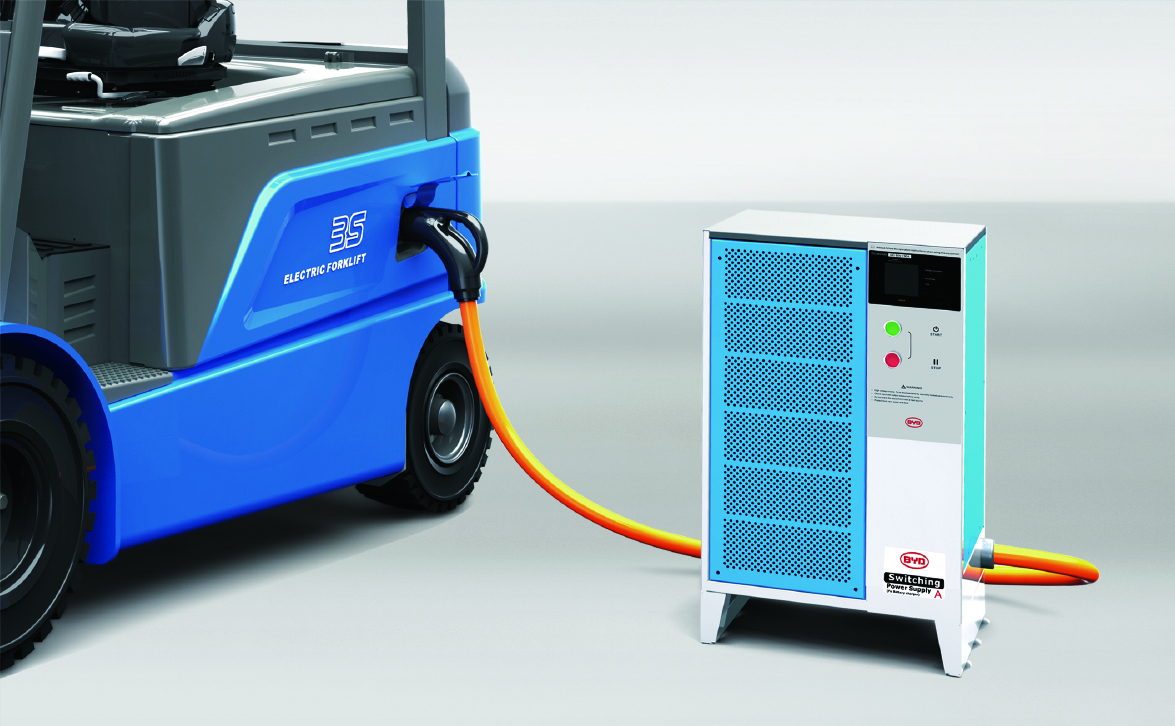
- Special Li-ion Chargers. Entry-level Li-ion forklifts can be plugged into a regular AC outlet for recharging. However, when it comes to bigger and higher-capacity forklifts, you’re going to need a dedicated charger. You can’t use an existing lead-acid battery charger on a Li-ion battery. These special chargers are designed to communicate with the battery’s BMS (battery management system) to prevent thermal runaway and provide optimal charging efficiency.
These chargers incorporate
- Constant voltage/Constant current profile
- Temperature monitoring
- Cell balancing
- Safety Shutoff
- Charge optimization
Fun fact: 7-Up originally contained lithium — the same element powering today’s high-performance forklifts. With an atomic number of 7, some say that’s how the soda got its name.
It gave the popular drink a little extra pop… now it’s giving your forklift fleet a refreshing boost.
Other Considerations
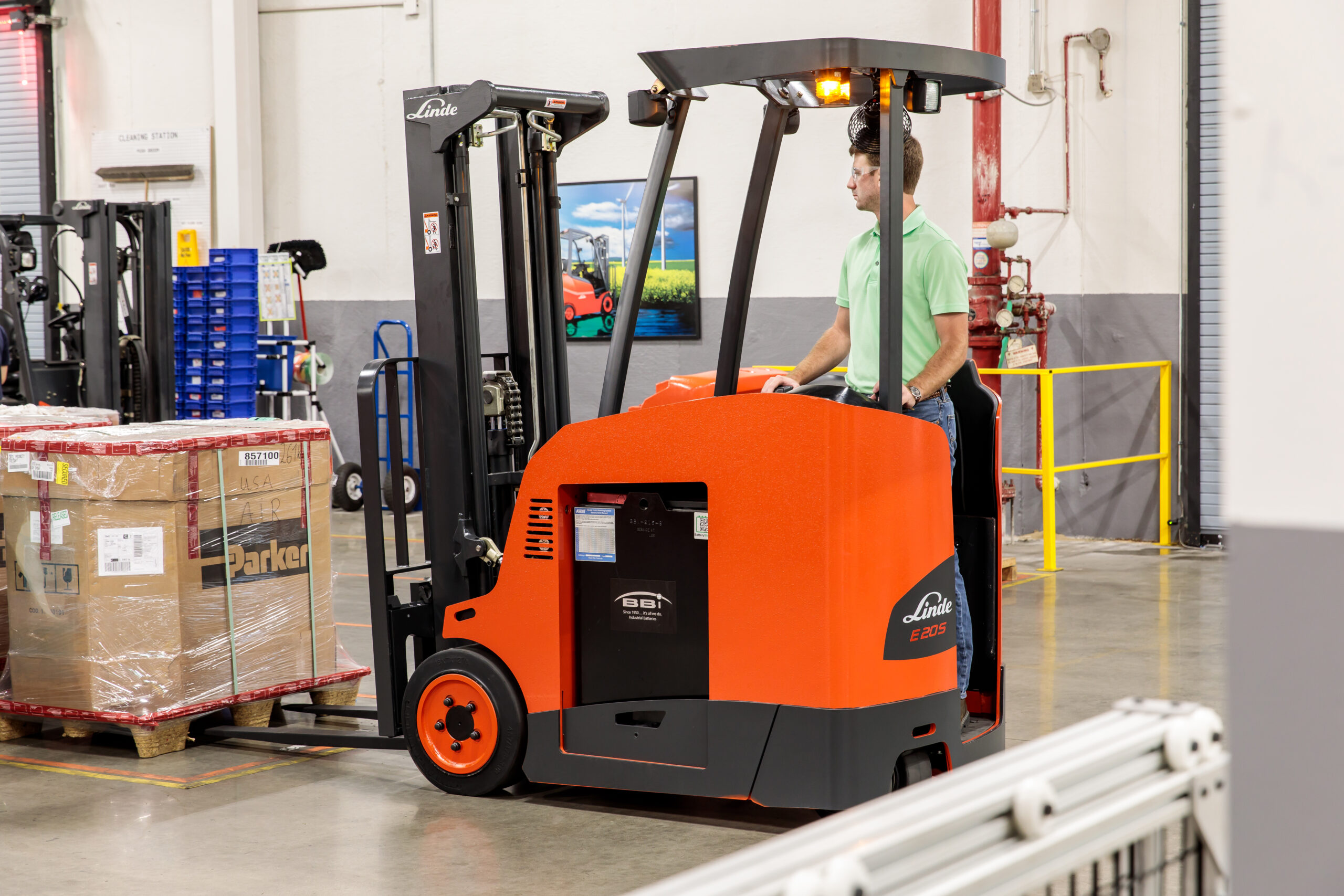
The decision to move your fleet over to Lithium-ion power is not always a slam dunk. A number of other factors come into play:
- Location. Your facility might be in a location where natural gas is very cheap, and electricity is costly. Might pay to stick with IC forklifts.
- Single Shift Operation. If you only use your forklift on the day shift, a lead-acid or LPG forklift is OK.
- Entrenched culture. If your staff has been doing it this way for 50 years and it’s worked fine, you may not want to rock the boat. Li-ion forklifts require a change in operating protocol, such as ensuring forklift drivers take advantage of opportunity charging.
- Developments in lead-acid batteries. When’s the last time you had to top up the electrolyte in your car battery? Well, the same is true for forklift lead-acid batteries. VRLA (Valve Regulated Lead-acid) batteries, like absorbent glass mat (AGM) or gel batteries, eliminate the costly and potentially hazardous watering process.
- Timing. Naturally, the best time to consider replacing your IC or lead-acid forklifts is when they reach the end of their useful lives. That schedule of ‘one-at-a-time’ replacement might not be the most efficient way. Based on your operational needs, you may want to replace the whole fleet during a plant or facility shutdown.
- Battery disposal. For lead-acid batteries, there is a well-developed industry of recycling and reclamation. For Li-ion batteries, the industry is still not very developed.
How Apex Can Help – Your Local Forklift Experts
Based in the Chicago metro area, Apex is your go-to partner for reliable forklift solutions and expert support. Whether you’re exploring lithium battery forklifts for a first-time purchase or looking to upgrade your current fleet, our team offers:
- Lithium-ion powered forklift models and accessories. Check out our extensive line of Linde, Clark, BYD, and Big Joe lithium-ion trucks
- Lease, sale, or rental agreements that meet your needs
- Charging stations, station setup and service, and facility planning
- Ongoing maintenance and responsive local service
- Training for forklift novices and skills upgrading for seasoned operators
- Spare parts and warehouse accessories
We’re here to help you make the wise choice for your facility — backed by responsive, knowledgeable support just around the corner. Contact our team today! Talk to a local Apex expert.