
Conclusion: For Multi-shift Operations, Go With Li-ion Forklift Batteries
If your company is considering the purchase of a forklift or a fleet of forklifts, you have several decisions to make, including capacity, application fit, vehicle dimensions and lift. But arguably, one of the biggest decisions you will have to make is how to power the forklift – in other words, gas-powered or electric? And if you pick an electric forklift – what technology will your forklift batteries use?
Most forklifts sold today–especially for indoor use–are electric-powered vehicles. They’re cleaner and quieter than internal combustion forklifts, but the big decision today is this: do I stick with the conventional lead-acid battery or spring for the new technology in forklift power–lithium-ion batteries? Here’s a rundown of how the two challengers stack up against the financial and operational parameters of managing a fleet of forklifts.
Initial Cost
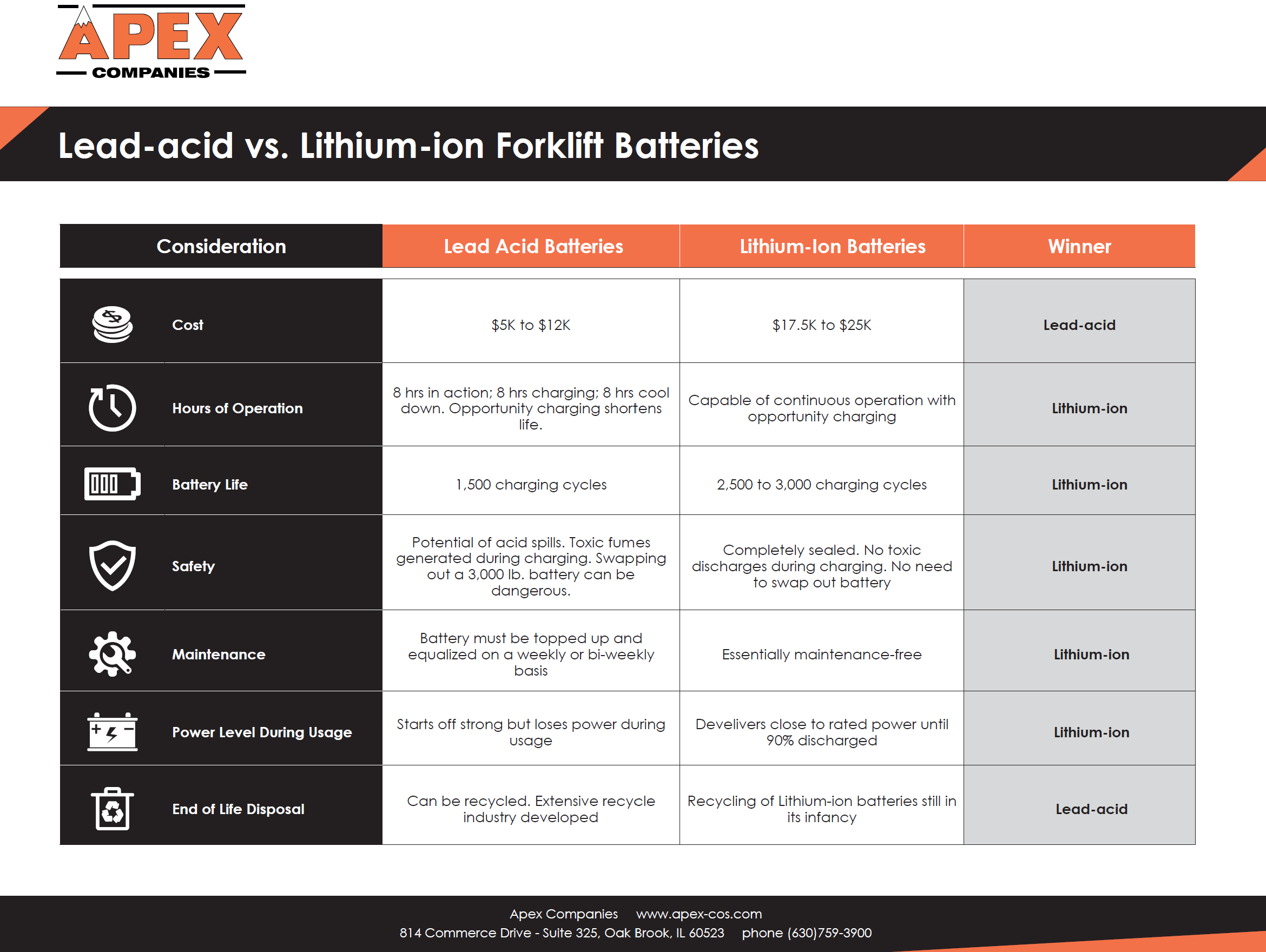
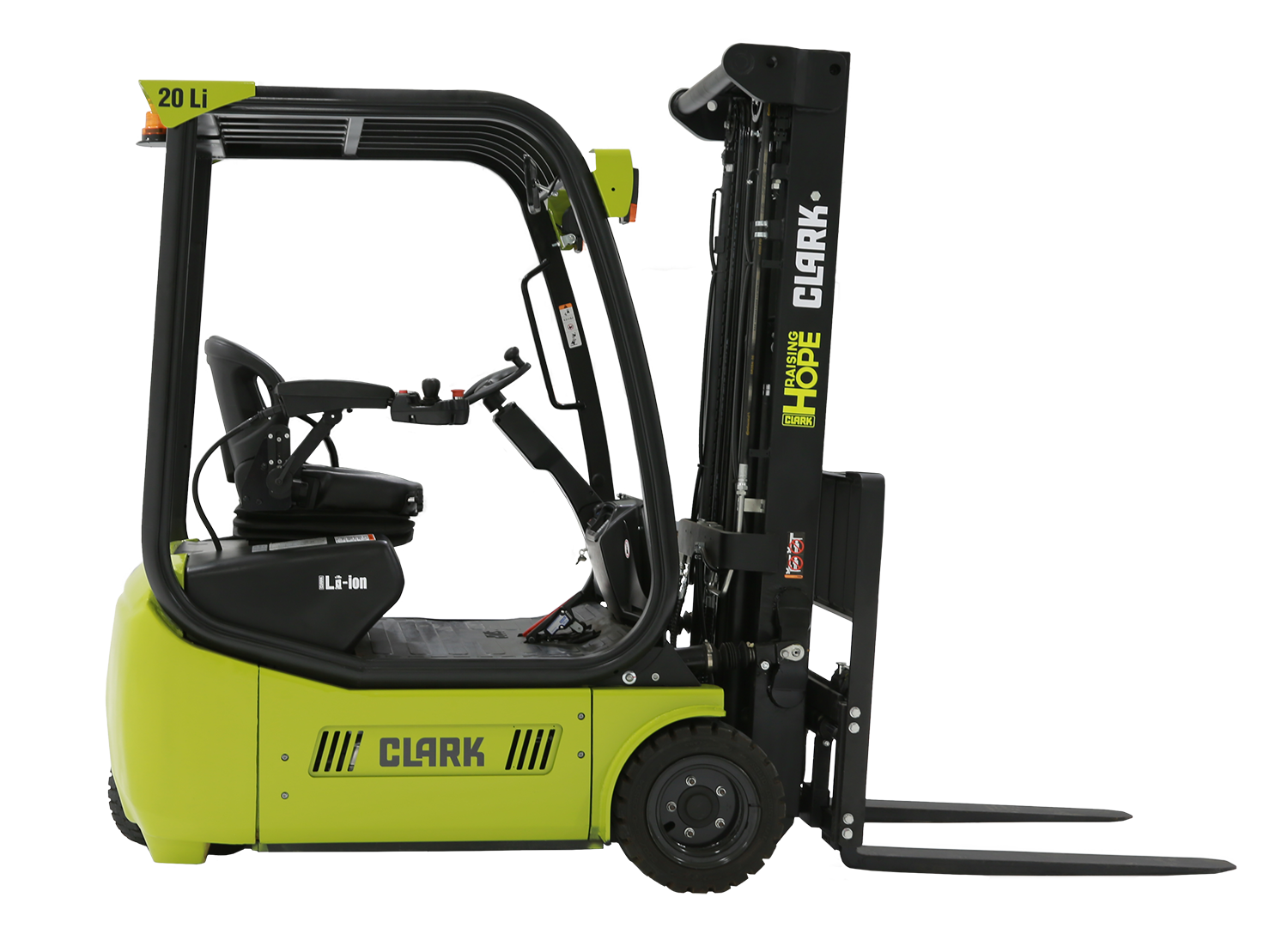 Out of the box, a forklift with a lithium-ion battery is going to cost you a lot more–in fact, the battery will probably be 2 to 3 times the price of a lead-acid battery. As lithium-ion batteries proliferate, that price gap is sure to narrow.
Hours of Operation
If you only use your forklifts on one shift, lead-acid batteries will probably work just fine. That’s because the cycle for using and charging a lead-acid battery calls for 8 hours of operation, 8 hours of charging, and 8 hours of cool down.
Once you add additional daily shifts, the picture gets more complicated. After eight hours of operation, you’ll need to swap out the battery for a fresh one and hook the spent battery up to a charging station, potentially causing lost productivity. If you try to employ opportunity charging to increase the availability of the forklift, it will diminish the lifespan of the battery.
With lead-acid batteries, you’ll also need to invest time and labor in weekly or bi-weekly watering and conditioning of the battery. And you have to be careful not to let the battery’s charge level get down below 20%, as that will shorten its useful life. You’ll also have to be careful not to overcharge the battery to prevent overheating which will shorten battery life. A lot to think about – we also have 10 Forklift Battery & Charger FAQs to help shed some more light on the topic.

Lithium-ion forklift battery
Lithium-ion batteries, on the other hand, charge up fully in a much shorter time frame – generally from 1 to 4 hours depending on the battery’s size, and you can successfully use opportunity charging to keep the battery at a steady power level. An operator can charge the forklift’s battery during breaks and lunch. And a Li-ion battery can just be plugged in – no need to remove the battery. No dedicated charging area is needed, freeing up space in your warehouse for other uses.
Another advantage of Li-ion batteries is their power curve. As you use a forklift with a lead-acid battery, its voltage output – and thus its power level – starts to diminish. After about 6 hours, the power level – and the forklift’s capacity– is significantly reduced. On the other hand, the voltage output of a Li-ion battery remains relatively steady all the way down to about 90% discharged, allowing the forklift to work at rated capacity for a longer period of time.
An additional advantage of Li-ion batteries is charging efficiency. Li-ion batteries store more energy, charge up more quickly and produce less heat during the charging process than lead-acid batteries.
For multi-shift operation, the TCO (total cost of ownership) of a lead-acid battery is much higher than that of a Li-ion battery.
Battery Life
If you carefully follow all the guidelines for using, charging and maintaining a lead-acid battery, you can probably get 1,500 charging cycles out of it, maybe 4 to 5 years of use. If you scrimp on maintenance or don’t follow prescribed charging protocols, you could wind up getting less than 1,000 cycles out of the battery. By contrast, a Li-ion battery should give you 2,500 to 3,000 cycles, almost double the lifespan of a lead-acid battery.
Safety
Swapping out a 3,000 lb. lead-acid battery is not a task to be taken lightly, no pun intended. It requires special equipment and special training for technicians to perform the task. Lead-acid batteries also are susceptible to acid spilling if not handled properly. Charging them generates toxic fumes, mandating that the charging station has adequate ventilation. By contrast, Li-ion batteries are sealed and do not need to be removed from the forklift to be charged. They’re much safer to use. Li-ion batteries are essentially maintenance-free.
Converting From Lead-acid to Li-ion Batteries
Yes, it is possible to convert your forklift fleet from Lead-acid to Li-ion batteries. The biggest consideration is weight. Most counterbalanced forklifts include the weight of the battery as a parameter for determining load capacity. With a lighter-weight Li-ion battery it will be necessary to add counterweights to maintain the nameplate capacity of the forklift or change the specified lifting capacity to accommodate the lighter Li-ion battery.
Another consideration is culture change. To get the most out of a Li-ion battery, operators need to be trained to rigorously employ opportunity charging. Whenever the forklift is going to be idled for a significant amount of time, remember to plug it in! Apex also provides complete Battery & Charger Maintenance Services. Lastly, provisions need to be made for end-of-life disposal. Currently, there is a well-developed recycling industry for lead-acid batteries. Not so much for Li-ion batteries, although that is changing.
Most fleet operators have noticed a significant improvement in productivity by making the switch from Lead-acid to Li-ion batteries. Apex can help your company with all aspects of employing Li-ion-powered forklifts. We stock the full line of Li-ion forklifts from BYD and Clark. And, if you’re making the switch from lead-acid to Li-ion batteries for your existing fleet of forklifts, we have availability of a large range of Li-ion batteries to fit almost any material handling need. Additionally, we offer training for handling lead-acid batteries–if you’re sticking with the tried and true–or on proper handling of Li-ion batteries. We also offer training for your staff if you’re making the switch from lead-acid to Li-ion. Apex is your full service forklift and material handling resource in the Chicagoland area.