
Don’t Settle for Less—Here’s What Great Forklift Operator Training Really Looks Like
When it comes to warehouse safety, forklift operator training is one of the most critical investments you can make. But not all training programs are created equal. Whether you’re evaluating providers for the first time or refreshing your current training protocols, understanding what to expect from a high-quality forklift training program is key to ensuring OSHA compliance, improving workplace safety, and boosting operational performance.
So, what exactly should you look for? Below, we outline the key features every solid training program should include.
7 Critical Components for Forklift Training
1 OSHA-Compliant Curriculum Built for Real-World Application
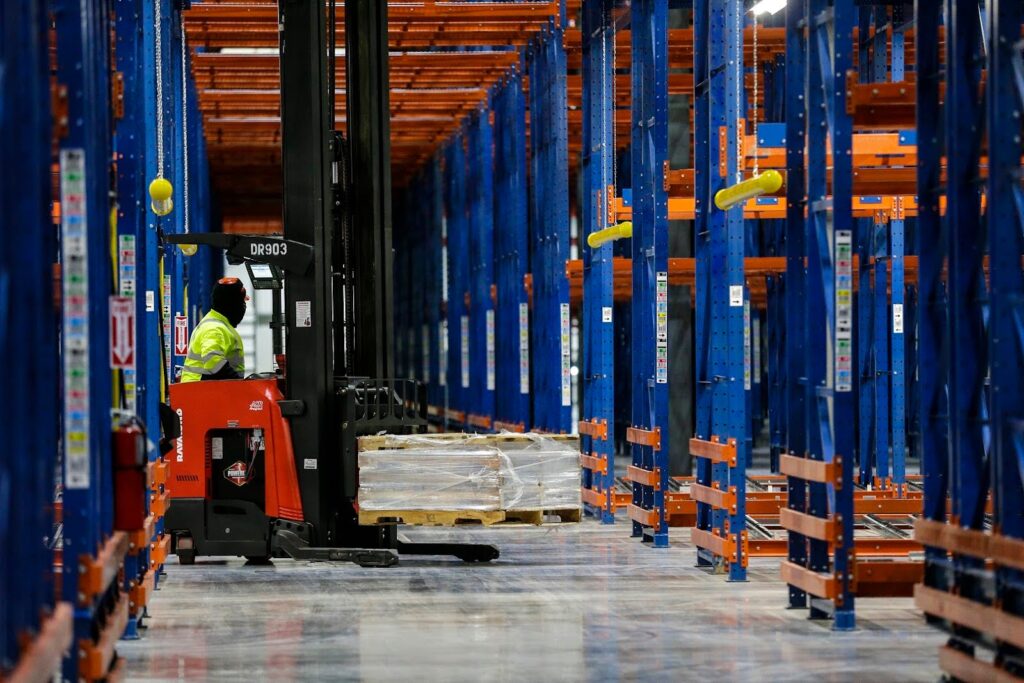
The first non-negotiable is an OSHA-compliant curriculum. Training should meet the requirements outlined in OSHA 29 CFR 1910.178(l), which mandates a combination of formal instruction, practical training, and operator evaluation.
A quality training program will cover:
- Safe operating procedures for various forklift types
- Stability principles and load centers
- Load handling and maneuvering
- Workplace-specific hazards and best practices
- Operator responsibility and communication
Bonus points if your provider offers ongoing or refresher training options to help you stay compliant over time.
2. Hands-On Practical Training in Real-World Conditions
Forklift operators can’t learn everything they need from a slideshow. Real-world, hands-on training should be part of the program.
This includes:
- In-field forklift operation under supervision
- Simulations in a live warehouse environment
- Practice with the same types of equipment operators will use daily
Hands-on sessions help build muscle memory, confidence, and the ability to respond safely in real-world scenarios.
3. Safety-First Training Culture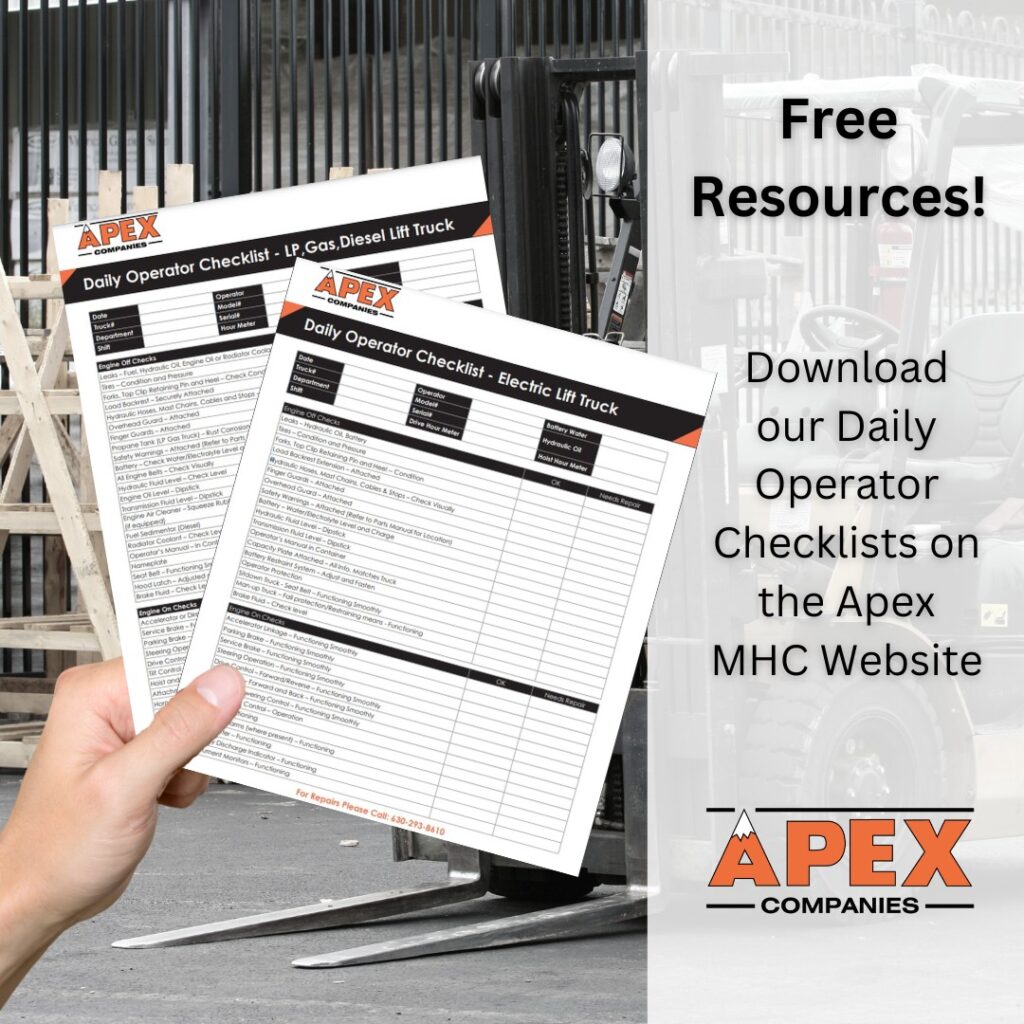
A safety-first culture starts with your training program. Effective forklift training doesn’t just explain safety rules—it shows operators why they matter and how to follow them every day.
Comprehensive programs will cover:
- Daily pre-operation inspections
- Proper PPE use
- Pedestrian awareness and right-of-way protocols
- Hazard recognition and accident prevention
- Emergency response procedures
- Proper battery charging or fuel handling, depending on equipment type
Every moment on a forklift carries risk. Training should prepare your operators to manage that risk effectively.
4. Facility-Specific Customization
Generic training might meet the minimum standard—but that’s not enough for a safe and efficient operation. The best forklift training programs are tailored to your facility, workflow, and equipment.
Look for a provider that offers:
- Custom training based on your warehouse layout
- Instruction specific to your forklift types and material handling needs
- Adjustments for tight aisles, racking systems, dock areas, and other high-risk zones
- Guidance on safe operation of forklift attachments your operators use
Operators should be trained for the environment they work in—not a classroom scenario that doesn’t reflect the real world.
5. Qualified Instructors with Proven Training Credentials
While OSHA doesn’t require forklift trainers to be certified to train others, there is an official OSHA Forklift Trainer Certification that credible instructors should be able to provide. Don’t hesitate to ask for it—it’s your right to verify that your trainer is qualified.
Ask your forklift trainer for:
- Their OSHA Forklift Trainer Certification
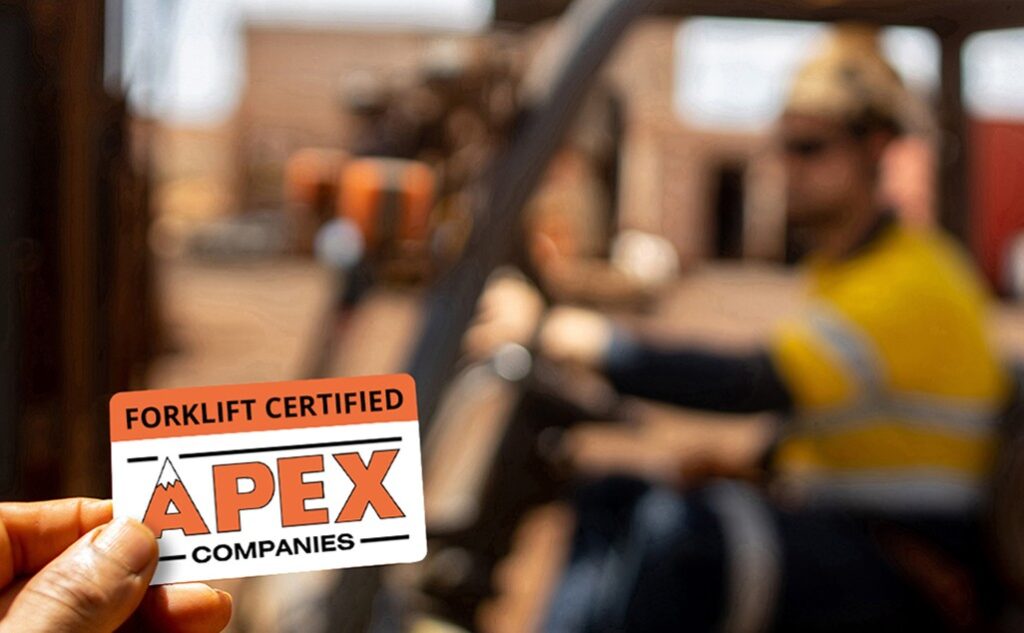
- A valid forklift operator certification card
- Confirmation that they’re certified on the specific vehicle classes they’re teaching
- Details about their real-world warehouse experience
- Bonus: Their training history, testimonials, or references
6. Thorough Evaluation & Certification Process
At the end of training, operators must be evaluated before being cleared to operate a forklift on the job. This includes:
- A written test to confirm understanding of rules and procedures
- A hands-on performance evaluation in a warehouse or training yard
- Proper documentation for OSHA compliance, including:
- Operator name
- Training date
- Equipment class
- Evaluator’s name and credentials
And remember: forklift certifications aren’t permanent. Federal OSHA rules state that operators must be recertified every three years, or sooner if:
- There’s an accident or near miss
- Unsafe operation is observed
- New equipment or significant changes in the work environment occur
7. Flexible Training Formats That Fit Your Team’s Needs
Not every facility operates on a 9-to-5 schedule, and not every team needs the same kind of training. Look for a training provider that offers flexibility in delivery format, such as:
- In-person classroom + hands-on training (ideal for full OSHA compliance)
- On-site training customized to your facility
- Train-the-trainer programs to build internal training capacity
Whatever format you choose, ensure that hands-on operation and evaluation are included—online-only training alone is not OSHA-compliant.
The Apex Advantage
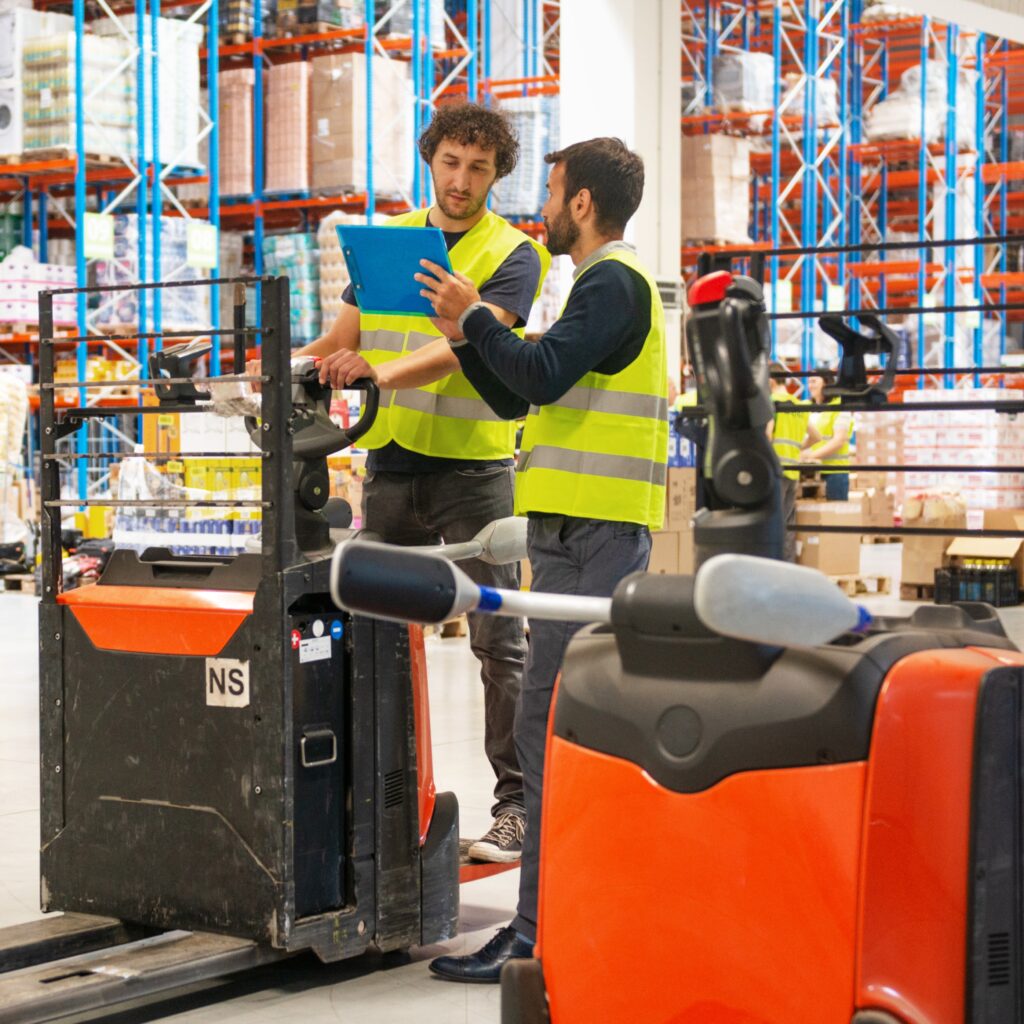
At Apex, we believe forklift operator training should be more than a compliance checklist—it should be a competitive advantage. Our experienced trainers deliver OSHA-compliant, hands-on instruction tailored to your equipment and facility. We help you build a safer, more productive team—one certified operator at a time.
📞 Contact us today to schedule your group on-site forklift training or sign up for individual training in our Smoke Tree Plaza location in North Aurora, Illinois.
Related Content
If you’d like to dig in a bit more, take a look at these related content blogs: