
What Operators And Facility Leaders Need To Know About Turret Truck Safety In Narrow Aisles
Turret trucks are built for highly structured, narrow-aisle warehouse work, where safe performance depends on more than basic lift truck operation. Forklift training improves turret truck safety by preparing operators to manage narrow aisles, tight clearances, elevated loads, and guided travel within the actual warehouse environment.
In this article, we’ll look at what makes turret truck operation different, what training should cover, and what warehouse leaders can review to support safer, more consistent performance.
What Makes Turret Truck Operation Different From Standard Forklift Use?
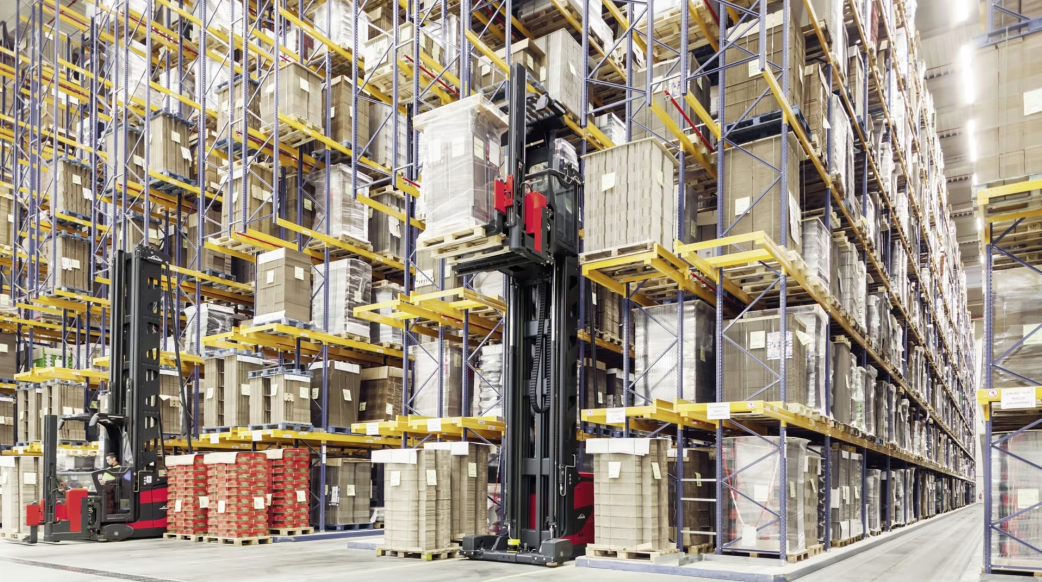
Turret trucks, also called swing reach trucks or VNA trucks, are built for a specific job. Unlike standard forklifts that operate in wider, more forgiving spaces, these trucks are designed for very narrow-aisle travel, often in aisles less than 9 feet wide, where precision matters at every stage of the lift.
In this type of environment, the vehicle must travel accurately through tight rack rows using the site’s guidance method. It must then pivot its forks to access loads on either side of the aisle and raise or lower them to complete the load or pick function at the required storage location. That side-to-side reach capability is why turret trucks are often called swing reach trucks. It also changes how the truck needs to be handled and how operators need to perform while using it.
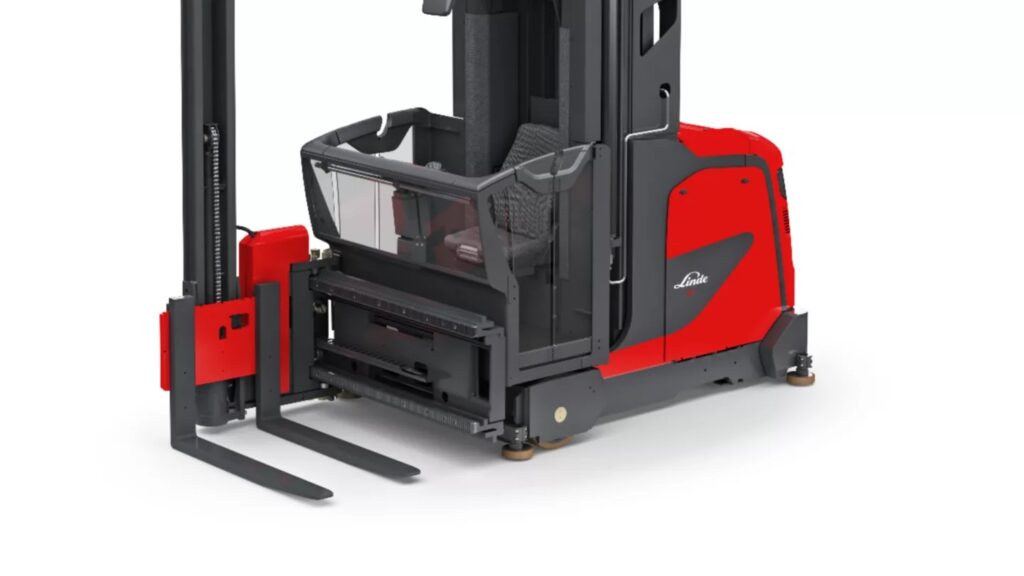
Turret trucks are commonly used in two general configurations:
 |
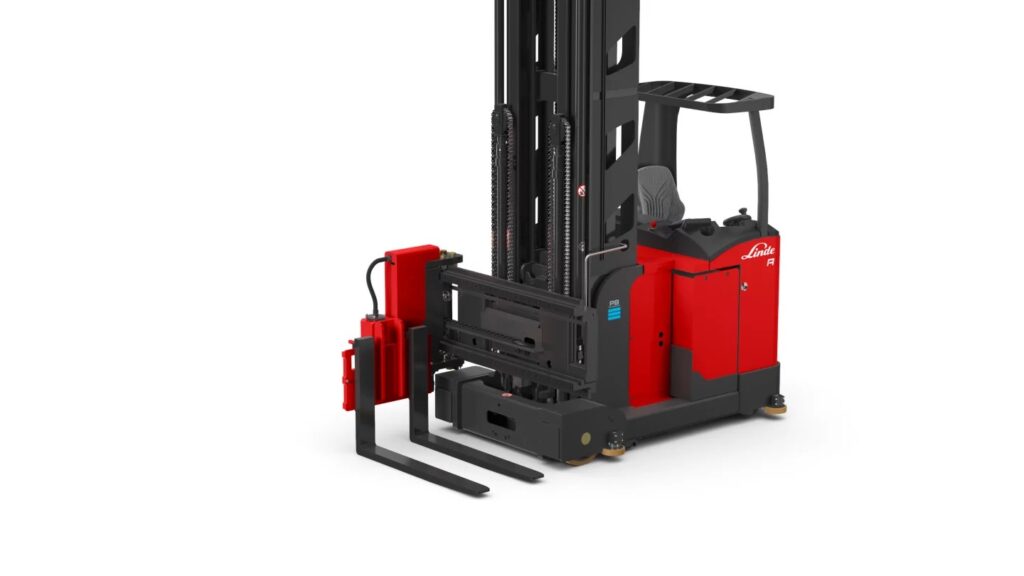 |
| Man-Up Turret (Linde) | Man-Down Turret (Linde) |
| The operator platform rises with the load handling function and is typically used with shorter racking, often under 22 feet. | The operator remains at ground level while the truck handles storage and retrieval at greater heights, often up to 40 feet. |
Why Turret Truck Handling Requires A Different Approach:
- The truck is designed for VNA work: It is built for tighter travel paths and denser storage layouts, not general-purpose movement around the warehouse.
- Travel and positioning require more precision: Operators have less room to correct steering, adjust alignment, or reposition the truck.
- Loads are often handled at height in tighter clearances: That raises the importance of control, stability, and careful placement.
- Visibility and aisle discipline matter more: Operators need to stay aware of clearances, rack positions, and surrounding conditions at all times.
- Safe use depends on the environment too: Rack alignment, aisle design, and storage conditions all affect how safely the truck can perform.
What Forklift Training Should Cover For Turret Truck Operators
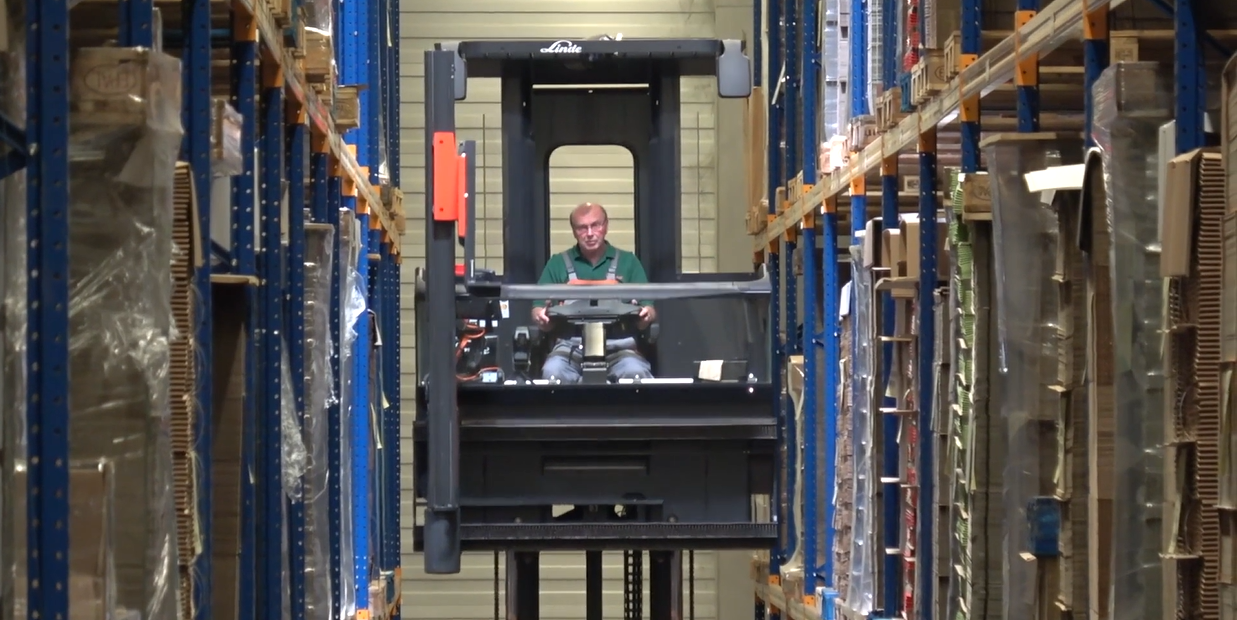
Forklift training for turret truck operators needs to go beyond general lift truck familiarity. In a narrow-aisle environment, operators work with less space, tighter clearances, and more precise load-handling requirements.
That means training should prepare them to operate safely within the actual aisle design, rack system, and daily traffic conditions of the facility.
1. Equipment familiarity and operating controls
Operators should start with a clear understanding of the truck itself. That includes the machine’s main components, operating features, controls, and overall capabilities.
Turret trucks are built differently from standard forklifts, so operators need to know how the truck travels, how the forks or turret head position loads, and what the equipment is designed to do within a narrow-aisle system.
This part of the training should also cover the truck’s limitations. Operators should know where precision matters most, what the truck requires from the surrounding environment, and how its design affects visibility, maneuvering, and handling at height.
2. Pre-operational inspection and equipment readiness
Training should also cover how to inspect the truck before use and how to recognize when something is not right. Operators need to know what to check at the start of a shift, what signs of wear or damage matter, and when equipment should be reported or removed from service.
This helps build consistency and prevents small issues from becoming larger safety problems. In a turret truck operation, where clearances are tight and movement is more controlled, equipment readiness plays a major role in safe performance.
3. Proper load handling, load stability, and capacity limits
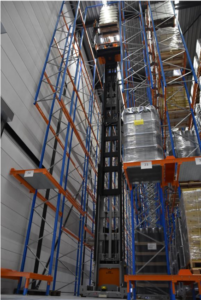
Operators should be trained on how to pick up, move, stack, and place loads safely. That includes understanding load stability, center of gravity, proper fork positioning, and the truck’s rated capacity. It is especially important that operators understand how load limits and load placement affect truck stability during lifting and travel.
This is one of the areas where precision matters most. A poorly handled load can lead to product damage, rack contact, or unsafe movement, especially when operators are working at height in narrow aisles.
4. Safe narrow-aisle travel and positioning
Turret truck training should cover how to travel and position the truck safely within a very limited space. Operators need to learn how to move in tight aisles, stay aligned within designated travel paths, and handle the truck with control when entering, working within, and exiting the aisle.
If the application uses wire guidance or another guided travel system, that should be part of the training as well. Operators should understand how the guidance method supports travel and what safe, consistent movement looks like in that setup.
5. Hazard recognition and safe operating procedures
Operators must be able to recognize the common hazards in narrow-aisle work. That includes rack damage, unstable loads, blocked visibility, floor issues, and unsafe traffic around aisle entrances and transfer points.
Training should reinforce daily operating habits that reduce risk, such as maintaining a clear view, using warning signals when needed, controlling speed, and staying alert in areas with limited space. The goal is to help operators make safe decisions consistently, not just react when something goes wrong.
6. Emergency procedures and incident reporting
A strong training program should explain what operators should do when they encounter an unsafe condition, equipment issue, or incident. That includes knowing how to stop work when necessary, who to report issues to, and how incidents should be documented.
This is important because narrow-aisle operations depend on controlled, repeatable movement. When something disrupts that environment, operators need to know how to respond quickly and correctly.
7. Written and practical evaluation
Turret truck training should not stop at classroom instruction. Operators should also be evaluated through practical, site-specific instruction that reflects the equipment, aisle conditions, and workflow they will actually be working with.
That hands-on portion is what helps turn knowledge into safe performance. It also gives supervisors a better sense of whether operators can apply what they have learned in the real environment, not just repeat it back in theory.
How Narrow-Aisle Rack Design Supports Safer Turret Truck Operation
On-site forklift training is ideal because it allows the operator to learn within the actual setting they’ll be working in. In very narrow-aisle applications, turret trucks rely on consistent aisle dimensions, predictable clearances, and an organized load presentation to move safely and smoothly.
Guidance for VNA systems emphasizes that aisle layout, guidance setup, and storage conditions all play a direct role in safe, repeatable truck movement.
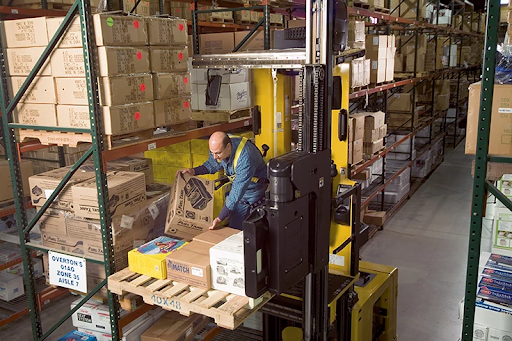
A few design factors make the biggest difference:
- Consistent aisle widths support predictable travel: Turret trucks are designed to operate within very tight tolerances, so consistent aisle dimensions help operators travel and position the truck with greater confidence.
- Proper rack alignment helps maintain clearance: When racks stay properly aligned, operators can maintain better positioning and reduce the chance of unnecessary contact with loads or infrastructure.
- Organized load presentation reduces hesitation: Clean, consistent storage presentation makes it easier for operators to approach, pick, and place loads without extra correction. This supports smoother handling and fewer avoidable adjustments in tight aisles.
- Well-planned layouts support better flow: When aisle design, transfer areas, and storage positions are laid out logically, truck movement becomes more controlled, and product flow becomes more efficient.
The main point is that operators perform better when the system around them is built to support controlled, repeatable movement.
Why Pick And Deposit Stations Matter For Turret Truck Safety
Pick-and-deposit stations add another important layer of safety to turret truck operations in very narrow-aisle environments. These transfer points influence how smoothly loads move in and out of the aisle, how much repositioning operators need to do, and how consistently the workflow supports safe handling. When they are planned well, they help reduce hesitation and support cleaner transitions between aisle travel and the rest of the operation.
A few things make P&D stations especially important for safe turret truck use:
- They shape how loads enter and leave the aisle workflow: Their location affects how efficiently and safely loads are transferred between equipment and storage zones.
- They can reduce unnecessary repositioning: Well-placed stations help operators approach loads more cleanly instead of making extra adjustments near the aisle entrance.
- They support more predictable movement: When transfer points are easy to identify and access, operators can move through the process with better consistency and less hesitation.
- They help align the workflow around the equipment: P&D stations work best when they fit naturally into the travel path, storage layout, and traffic flow around the aisle.
- They should be part of forklift training: Operators should understand how to approach, use, and navigate these transfer areas safely, since they are a regular part of narrow-aisle handling.
The bigger point is that turret truck safety does not start only inside the aisle. It also depends on how clearly and smoothly loads are handed off before and after aisle travel.
What Supervisors And Facility Leaders Should Review Beyond Operator Training
Forklift training is essential, but it works best when leadership supports it with the right environment, clear expectations, and regular review. In a turret truck operation, supervisors and facility leaders should not assume safe performance starts and ends with the operator. The broader system plays a major role in whether safe habits are easy to follow every day.
Here are a few areas worth reviewing regularly:
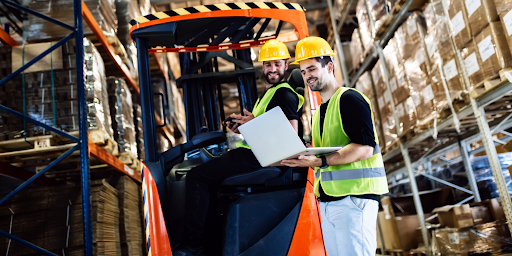
- Whether the equipment matches the application: The truck should be suited to the aisle width, lift height, load type, and daily throughput demands of the operation.
- Whether aisle conditions support intended travel and handling: Floors, clearances, rack alignment, and guidance systems should all support smooth, predictable movement.
- Whether P&D stations, storage positions, and traffic areas are set up logically: Operators should be able to move through transfer points and surrounding traffic zones without unnecessary repositioning or confusion.
- Whether operators receive refresher training as processes change: New layouts, updated workflows, or changes in product mix may require updated instruction.
- Whether damage reporting and daily inspection habits are reinforced: Small issues are easier to correct when they are reported early and consistently.
- Whether the broader system supports the behavior training is meant to teach: Good training is far more effective when the layout, workflow, and operating rules all point in the same direction.
Build A Safer, VNA Operation With Better Forklift Training
Improving turret truck safety with forklift training means preparing operators for the actual demands of VNA travel, load handling, aisle discipline, and transfer-point workflow. Operators need to know how to handle tight clearances, controlled travel paths, elevated loads, and the transfer points that shape daily movement through the warehouse.
Just as important, the surrounding system has to support that training. Aisle design, rack conditions, load presentation, and P&D station design all influence how safely and consistently turret trucks can operate. When the equipment, training, and operating environment are aligned, operators can work with greater control, confidence, and consistency.
For warehouse leaders, the goal is a narrow-aisle operation designed to support safe performance every day.
Apex provides on-site group forklift training that combines classroom instruction with hands-on evaluation in the real warehouse environment. If your operators require training on new equipment or need a certification refresher course, schedule your on-site group training with our experts.