How to Evaluate Forklifts, Power, and Fleet Strategy as Demand Increases
Growth often starts in the capital plan, but the real test is whether the warehouse floor can support it. Material handling equipment that once worked well may start slowing your operation down. The signs usually show up in small but costly ways: operators waiting for lift trucks to become available, forklifts tied up on short pallet moves that are better suited to walkies, and pickers covering longer routes than the operation was designed to handle.
This guide walks through how growing warehouses can prioritize material handling equipment upgrades, when different equipment types make sense, and what to check before adding, replacing, renting, or leasing equipment.
How to Prioritize Material Handling Equipment Upgrades
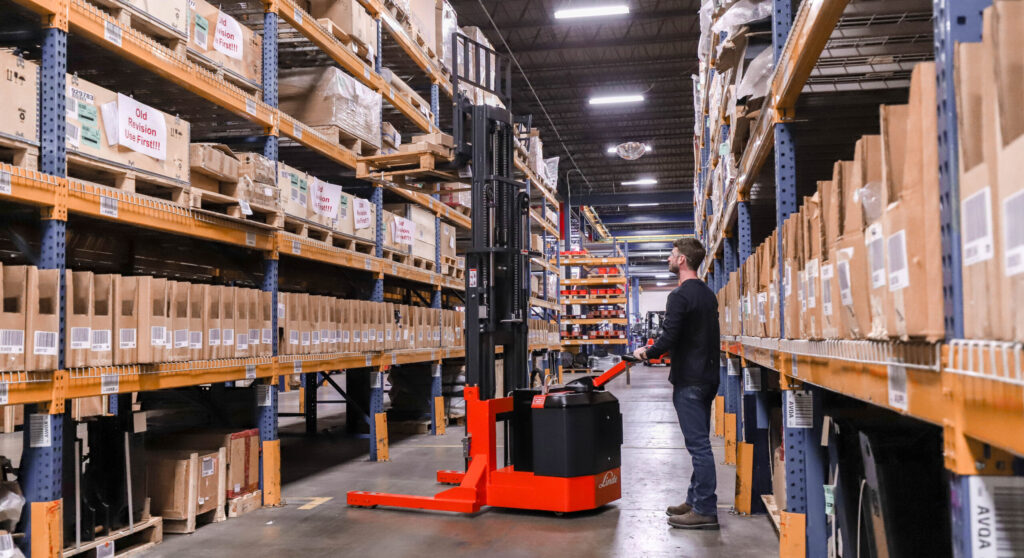
A growing warehouse does not always need more vehicles. It may need a better equipment mix, stronger fleet uptime, revised traffic flow, or a storage layout review before a major purchase makes sense.
If the decision starts with “we need another forklift,” the team may overlook the real constraint. The issue could be short pallet moves tying up lift trucks, limited access to higher rack positions, or picking routes that no longer match order volume.
Before choosing new forklifts and lift trucks, identify the tasks the equipment needs to improve.
Start With the Workflow Constraint
The simple question to begin with is “Where is the operation losing time, space, safety, or control?” The constraint is not always one obvious problem. Several small issues may be adding up across the shift.
Common constraints to check include:
- Receiving congestion that slows unloading, inspection, or putaway
- Long pallet travel routes between docks, storage, production, and shipping
- Slow replenishment from reserve storage to active pick locations
- Inefficient case, piece, or each picking
- Crowded aisles that limit safe equipment movement
- Higher rack elevations that require equipment matched to lift height, load capacity, and aisle width
- Using forklifts for tasks better suited to pallet jacks, walkies, or rider pallet trucks
- Operator fatigue from excessive walking, awkward handling, or repeated repositioning
- Fleet downtime that leaves teams short on usable equipment during busy periods
- Battery, charger, fuel, tire, or maintenance issues that reduce availability
If the equipment does not solve a visible workflow problem, improve a specific handling task, or reduce a real operating risk, it may add cost without fixing the operation.
Match the Upgrade to the Work
Different equipment solves different problems. 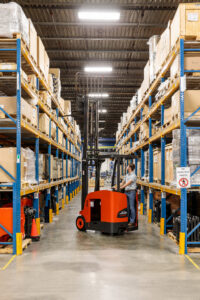
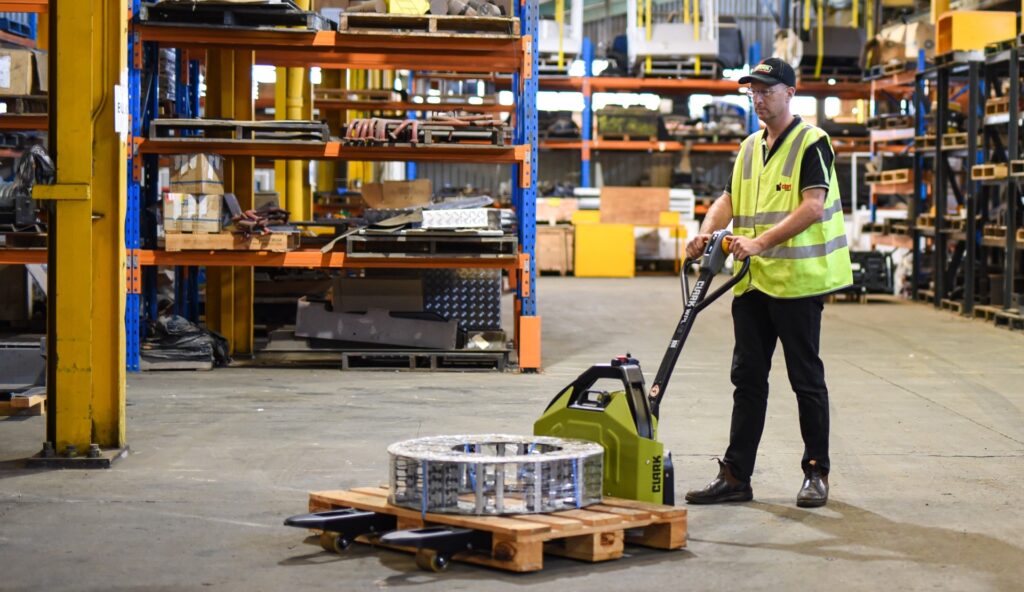
- Pallet jacks and walkies often make sense for shorter pallet moves, low-level handling, dock work, staging support, and tasks where a full-size forklift is more equipment than the job requires. They can also reduce forklift traffic in busy areas when loads do not need long travel, high stacking, or outdoor movement.
- Rider pallet trucks can be a practical upgrade when operators are moving palletized loads across longer travel paths, but the task does not require the lift height or footprint of a forklift. Instead of walking with the load, the operator rides on the truck, which can help support faster pallet movement, reduce operator fatigue, and keep lift trucks available for work that requires stacking, loading, or higher rack access. They are often a good fit for dock-to-stock movement, staging, replenishment, and other high-frequency pallet transport tasks.
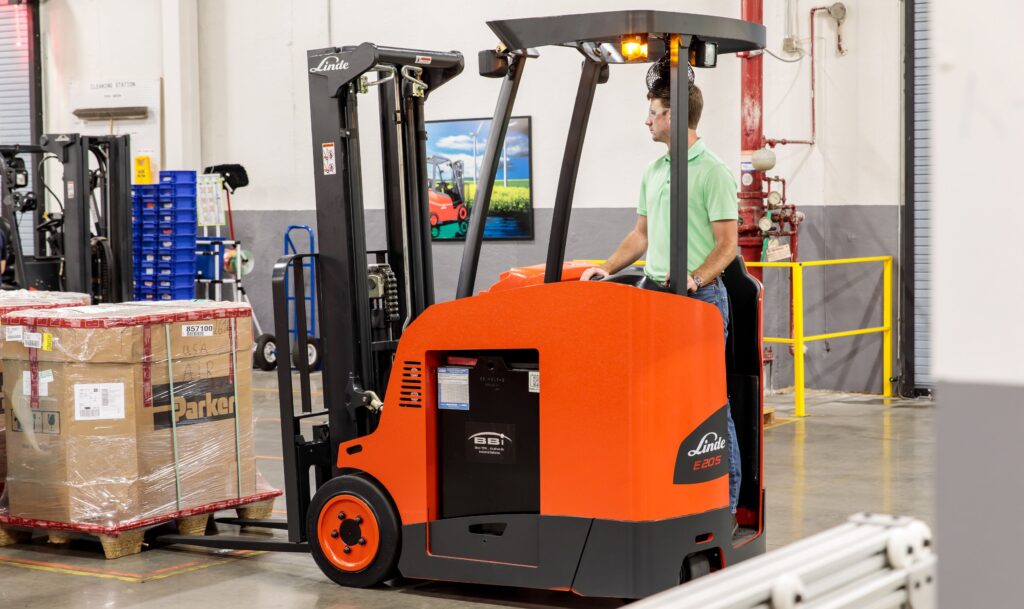
- Reach trucks are usually a better fit when the constraint is vertical storage access in tighter aisles. If the warehouse needs to use higher rack positions or improve storage density, a reach truck may support the work better than a standard counterbalance forklift. Before moving in that direction, teams should check aisle width, rack height, pallet weight, and load dimensions.
- Order pickers are worth evaluating when the bottleneck or new application need is elevated case or piece picking rather than full-pallet movement. Before adding order pickers, review pick paths, SKU velocity, pick face design, platform height needs, fall protection requirements, and how often operators need to access elevated locations. Apex has guidance on how to select and operate an order picker for the right application.
- Forklifts and lift trucks remain the right choice for many general warehouse needs, including trailer loading, heavier pallet movement, mixed indoor/outdoor work, and longer transport routes. But the right forklift still depends on capacity, lift height, mast requirements, tire type, power source, terrain, travel distance, and aisle clearance.
As a general rule of thumb, match the vehicle to the task, the space, and the load.
Do Not Separate Equipment Decisions From Storage Layout
Adding rack positions can increase storage capacity, but it can also change how equipment needs to move through the building. A truck that meets the required load capacity and lift height still has to work within the aisle width, rack layout, traffic flow, staging areas, and charging or fueling plan.
Evaluate the equipment and storage layout together so the upgrade supports both access and movement, not just capacity on paper.
Before upgrading equipment, review: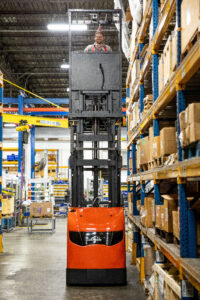
- Rack layout and aisle widths
- Lift heights and pallet load dimensions
- Dock space and staging areas
- Pick paths and replenishment paths
- Turning space and travel routes
- Trailer loading and unloading patterns
- Battery charging or fueling locations
- Pedestrian traffic and operator visibility
- Floor condition, slopes, thresholds, and dock plates
- Planned growth that may change storage, volume, or traffic flow again
This is where Apex’s broader warehouse support can help. Apex Companies brings together material handling, storage, automation, and related warehouse solutions, so equipment decisions can be reviewed as part of the full operation. Teams can purchase or lease equipment, such as forklifts, pallet jacks, walkies/riders, aerial lifts, and personnel vehicles, with maintenance, service, and training support available to help keep the fleet working safely and reliably.
Questions to Ask Before Buying Equipment
Before purchasing, leasing, or renting equipment, warehouse teams should answer these questions:
- What task is slowing the operation today?
- Is the issue horizontal travel, vertical access, picking speed, staging congestion, or downtime?
- Which equipment is currently doing work it was not really selected to do?
- Will the new equipment fit the current aisle widths and rack layout?
- Will it still fit after planned growth, new racking, or higher inventory volume?
- Does the truck match the actual load weight, pallet size, lift height, and surface conditions?
- Does the operation need indoor use, outdoor use, or both?
- Does the power source fit the shift length, charging/fueling process, and facility setup?
- Will operators need new or updated training?
- Will the equipment reduce congestion, or simply shift it somewhere else?
- Should this need be handled with a purchase, lease, rental, maintenance plan, or layout change first?
If the team cannot clearly connect the equipment to the constraint, the decision needs more review before money is spent.
Consider Rentals, Leasing, Service, and Training as Part of the Upgrade
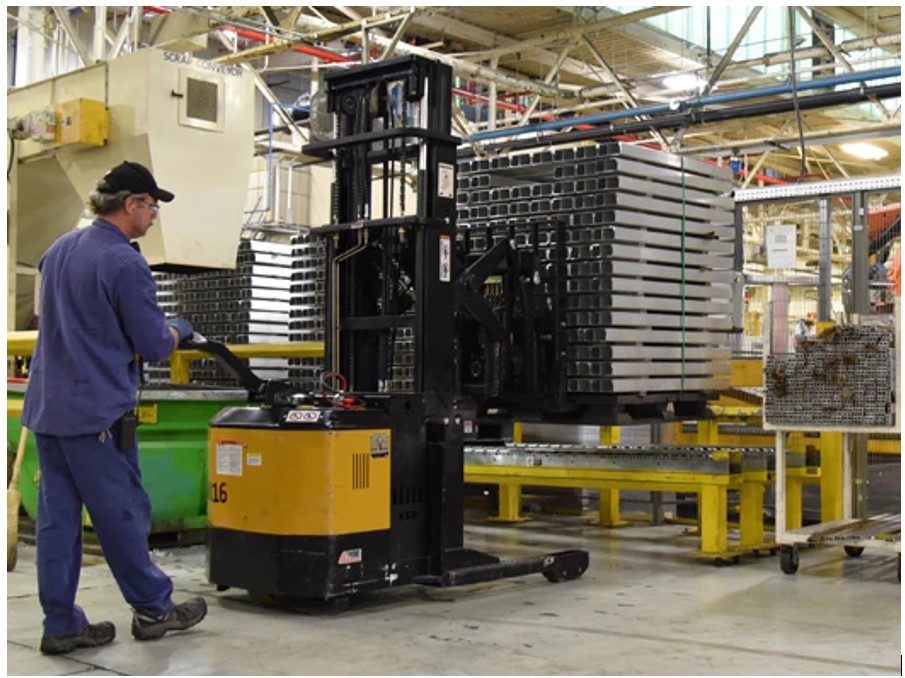
If the need is seasonal, temporary, or still being tested, rental or leasing options may give the operation more flexibility than a direct purchase. Rentals can help cover short-term demand, peak periods, project-based work, or temporary capacity gaps. Leasing may make sense when the need is longer-term, but the business still wants flexibility around fleet size, cash flow, or future equipment changes.
The decision should match the actual need:
- Rent when demand is short-term, seasonal, temporary, or uncertain
- Lease when the need is longer-term, but flexibility still matters
- Buy when the equipment need is stable, predictable, and ongoing
- Service or repair when downtime, not fleet size, is the real constraint
Service, parts, and training should be part of the same upgrade conversation. If equipment is frequently down, the first step may be reviewing maintenance history, parts availability, and whether the current fleet still fits the workload. Apex provides forklift repair, OEM parts, and service to help keep warehouse vehicles available and reduce avoidable downtime.
Operator training also matters when equipment changes. A new truck type can affect how operators move through aisles, handle loads, work near pedestrians, or access rack positions. Apex also provides on-site forklift operator training to support safer, more consistent equipment use.
A Practical Upgrade Path for Growing Warehouses
There is no single upgrade path that fits every facility. Start with the bottleneck, then match the equipment decision to the task.
If Pallet Movement Is The Bottleneck
If operators are spending too much time moving pallets across short distances, staging loads near docks, or handling low-level movement, review pallet jacks, powered pallet trucks, walkies, or rider pallet trucks first.
Check:
- Pallet weight
- Travel distance
- Dock and staging congestion
- Whether loads need rack placement
If Storage Capacity Is The Bottleneck
If the warehouse is running low on pallet positions, review the storage layout before selecting equipment. Higher racking or tighter aisles may require reach trucks or order pickers instead of standard forklifts. The equipment decision should account for rack height, aisle width, pallet weight, lift height, turning space, floor condition, and replenishment flow.
This upgrade may be limited if the building layout cannot support the aisle design, floor conditions are poor, or dock and replenishment congestion still prevent product from moving efficiently into storage.
If Picking Productivity Is The Bottleneck
If the slowdown is happening at the pick level, more pallet-moving equipment may not solve the issue. Review pick paths, SKU velocity, pick face design, pick height, replenishment frequency, and operator access. Order pickers may help when operators need to pick cases or eaches from elevated locations.
This upgrade may be limited if high-velocity SKUs are poorly slotted, pick paths are inefficient, or replenishment cannot keep pick faces stocked.
If Downtime Is The Bottleneck
If the fleet is large enough but the equipment is not available when needed, focus on uptime first. Review service history, recurring repairs, parts availability, battery and charger performance, tire condition, forks, chains, hydraulics, and equipment age. The next step may be service, replacement, or temporary rental equipment while repairs are completed.
If operators are waiting on usable equipment, the fleet strategy needs to address reliability before simply adding more vehicles.
Upgrade The Equipment That Solves The Real Constraint
Growing warehouses do not always need the largest equipment investment first. The better starting point is to identify the constraint, match the vehicle to the task, and make sure the equipment works with the storage layout, operators, and future growth path.
Need help deciding what to upgrade first?
Talk to the Apex Material Handling team to review your warehouse challenge, compare equipment options, and plan the next practical step for your operation.