Material Handling Equipment Costs Involve a Lot More Than Purchase Price
So you need new material handling equipment, maybe an entire forklift fleet. Should you buy your forklifts? Lease them? Use LPG? Electric? If you go electric, lead-acid batteries? Lithium-ion batteries? Should you do your own maintenance, or outsource it? Do you have access to a supply of cheap LPG? Electricity?
For the business manager with an eye on the bottom line, all the above decisions are driven by an overriding imperative: how do I move goods around my facility at the lowest practical cost? Here are the three most important steps you need to take to help meet the goal of low-cost forklift fleet operation.
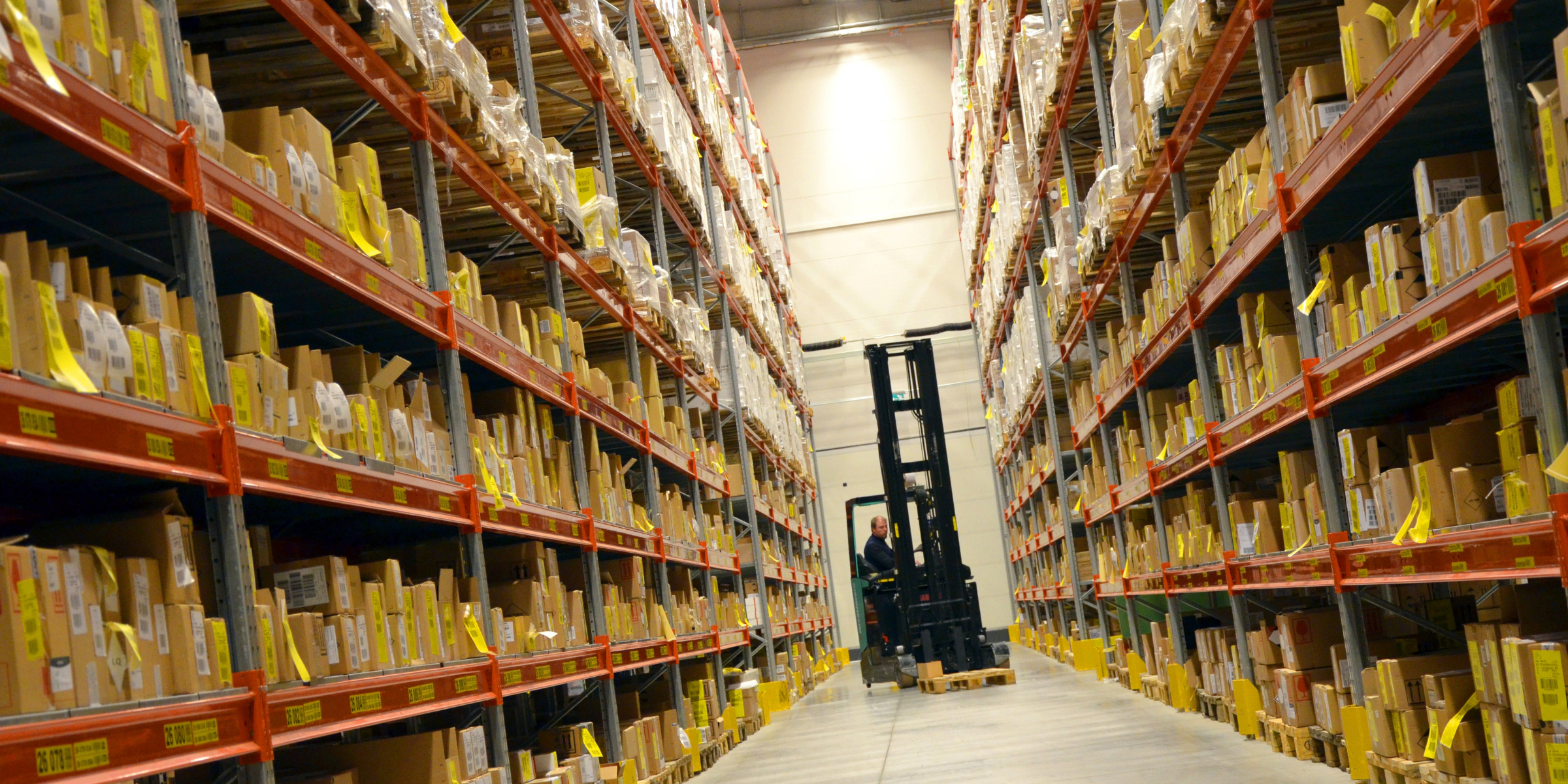
1. Conduct a thorough analysis of your forklift usage. If you have been operating a facility for a number of years, you already have many data points to help you with this process. If you are launching a new facility, it may take a bit of trial and error. This analysis should include:
-
- How many shifts are you operating on and what percentage of the times are your forklifts in action?
- Are your material handling needs constantly changing, or do your forklifts mostly move the same types of goods, year in and year out?
- Are you using the right forklift for the job at hand taking into account things like lift capacity, turning ratio, and lift height? Will your forklifts be used indoors or out in the yard?
- Is your facility designed to seamlessly move goods from dock to storage and back
- How well trained and qualified is your labor pool?
- What is the energy supply situation at your facility? Is electricity cheap? Or is LPG cheaper?
2. Embrace the concept of TCO (total cost of ownership). The purchase price of a forklift is just the beginning. Some analysts peg that cost at just 10% of the TCO over the forklift’s lifespan. Investments that yield immediate benefits can also pay off in the long term. Some of these are:
-
- Implement a Comprehensive forklift operator training program. Your team forklift training should be focused not only on safety, but also on efficiency. LPG forklift drivers should be trained not only on operating the vehicle but also on replacing gas cylinders. Electric forklift drivers should understand optimum charging schedules, be trained to assist in charging duties and understand the role of opportunity charging. All forklift operators should be trained to inspect forklifts at the beginning of their shifts, report any deficiencies to management and be able to perform basic maintenance tasks.
- Maintain a Rigorous Forklift Maintenance Program. It’s easy to let maintenance slip to increase short-term uptime of your forklifts, but in the long run, it’s been proven that a well-maintained forklift provides the best return on investment. As indicated above, operators should have a checklist of pre-shift inspections to make sure all systems on the forklift are operating. Forklift parts that are subject to wear and fatigue, such as batteries, forks, tires, filters, belts and chains should be inspected and replaced on a regular, scheduled basis. Same goes for all hydraulic and electrical systems. Setting up a planned maintenance program with an experienced forklift resource such as Apex simplifies the task of keeping your forklifts well maintained, reducing the need for costly emergency repairs or short-term rentals.
- Carefully consider your forklift fleet’s energy source. The purchased cost of an electric lift is greater than that of a gas- or diesel-powered internal combustion (IC) forklift, but if your application doesn’t require the extra torque provided by an IC forklift, an electric forklift can have a lower TCO than that of an IC forklift over the long run. However, an electric-powered forklift fleet will need some space carved out of your warehouse for use as a charging station.

The selection of chargers is important, too. Smart chargers, although more expensive, can reduce the amount of time a forklift is idle. Lithium-ion forklifts are more expensive, but offer savings in the long-term by being easier to use, requiring little to no maintenance, taking up less space in the warehouse, and being to some degree more environmentally friendly. And the charging process for a lithium-ion battery is safer than that of a lead-acid battery. No toxic gasses are produced and no special PPE is required. As mentioned earlier, this decision can hinge on the relative price of the various energy options in your part of the world.
-
- Develop a Fleet Management Program. You can either do this yourself or have your material handling supplier manage it for you. An effective Fleet Management Program can roll up all the items outlined here and take the guesswork out of efficiently scheduling and deploying your forklifts to different tasks in different locations in your warehouse, and calculating the optimum time for taking a forklift out of service for regular maintenance. Adding a vehicle management system and telematics to your forklifts gives you deeper insight into level of utilization and mechanical health of your forklifts and alerts you of potential maintenance issues and forklift accidents. A fleet management program can also identify if you have too many forklifts or not enough, and whether your forklifts are optimally deployed within your facility’s floor plan.
3. Consider Long-Term Rental vs. Leasing or Purchasing. This decision rests heavily on the type of organization using the forklifts, and the type of materials or products the forklifts are handling. If your material handling needs constantly change, you may want to look into a long-term rental as opposed to a purchase or lease arrangement. Leasing and renting usually include maintenance, reducing the load on your current maintenance staff or eliminating the need for a maintenance staff. These agreements also allow you to update your forklift fleet on a shorter time frame. On the other hand, buying a forklift allows you to get exactly the model that suits your needs, and can be less expensive in the long run if your needs don’t change and your staff is well-trained to operate and maintain your vehicles.
Your Apex representative can help you analyze your forklift fleet needs and provide you a recommendation on purchasing, leasing or renting, and can help you determine the optimum size and configuration of your forklift fleet. We can also help you set up a Fleet Management Program to ensure that your firm’s investment in forklifts yields the highest return. What’s more, as both a material handling equipment and service resource and warehouse design and supply resource, Apex is in the best position to offer your company a unified approach to lowest cost and most efficient warehouse operation. Remember Apex when your looking to add new pallet racking systems to your warehouse —we offer attractive leasing agreements that help you stretch your capital expenditure dollars.
Apex is the smart choice as a material handling and warehouse supplier in the Chicagoland area.