
Know the Most Frequently Replaced Forklift Parts to Keep in Stock –
“A horse, a horse, my kingdom for a horse,” so said Shakespeare’s Richard III, as he went on to lose the battle and his life for the lack of an item. Warehouse managers might not face such dire consequences because of the lack of spare forklift parts, but a situation where a forklift goes down waiting for a replacement part can cause operational delays costing thousands of dollars in lost productivity. This is why it’s important to keep an organized collection of spare parts.
However, too large an inventory of forklift parts can tie up dollars that could have more productive purposes — it’s a trade-off. The following list of the most commonly serviced and replaced parts will help you decide what inventory is best to stock in-house to protect against downtime and help you weather any future supply chain or operational uncertainties.
10 Critical Forklift Parts to Keep in Your On-hand Inventory
 |
 |
 |
There are a number of forklift parts that manufacturers recommend be replaced on a scheduled basis to ensure maximum uptime for your forklifts. Those parts should form the base of your forklift spare parts inventory.
-
- Hydraulic Fluid Hoses – Your forklift’s hydraulic system provides the power that allows your forklift to lift, steer and stop. But the connecting hoses of that system are vulnerable to accidental damage and degradation. Generally, manufacturers suggest replacing hydraulic hoses every two years or 4,000 hours of service. Power steering hoses, reservoir tank hoses, brakes hoses, and hydraulic lift hoses should all be kept in your parts inventory.
- Hydraulic System Rubber Parts – These critical parts are also subject to damage and degradation, which can cause leaks and a dangerous reduction of a forklift’s lifting and driving capacity. It’s a good idea to keep a stock of hydraulic system seals, gaskets, and bushings for both regularly scheduled replacement–typically one year or 4,000 service hours–and for failures, which always occur at the most inconvenient times.
- Replacement hydraulic fluid, filters, and system cleaner – When replacing parts of the hydraulic system, the system should be cleaned and refilled with fresh fluid. Replace all filters as well.
- Fuel hose for IC forklift – This hose should be inspected regularly and replaced every two years.
- Brakes – Your forklift can’t go if it can’t stop, and stopping a 2,000 lb. forklift with a 4,500 lb. load is not a task to be left to chance. Brakes should be inspected regularly and replaced as soon as their efficiency diminishes or if showing visible signs of damage or excessive wear. Many forklift manufacturers recommend routinely replacing brakes every other year. Replacement brakes should be part of your spare part inventory.
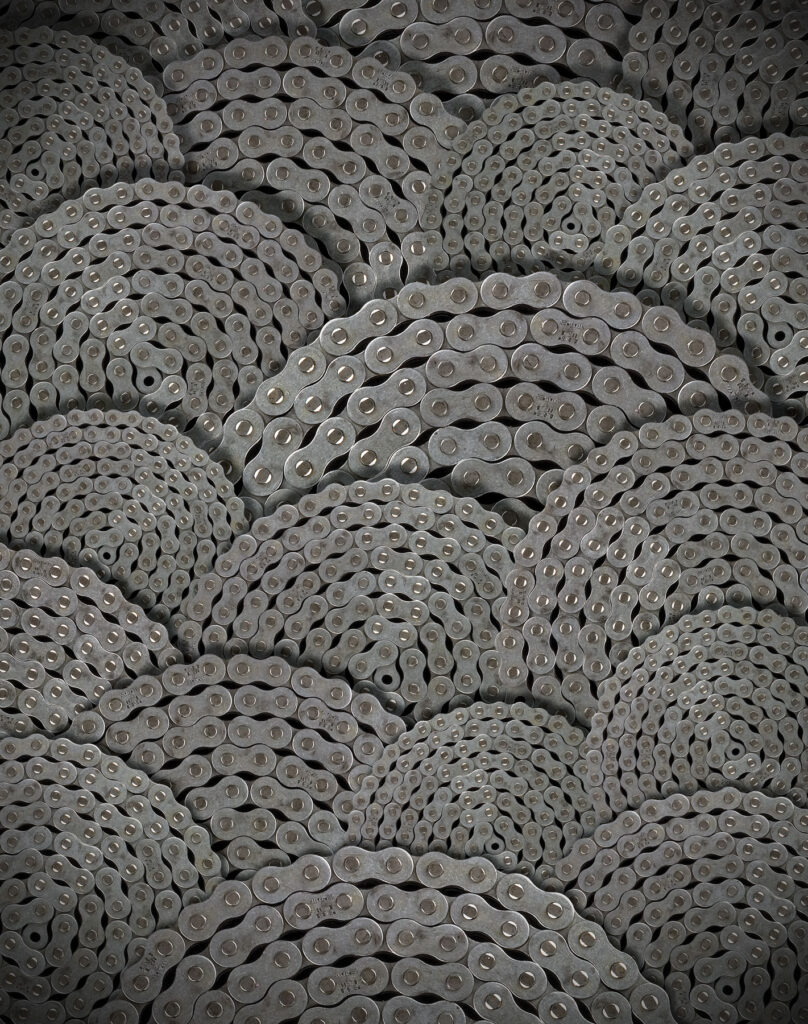
- Lift Chain – Your forklift’s lift chain should be regularly inspected for elongation, damage, or missing parts. Some manufacturers recommend replacing lift chains every three years or after 6,000 hours of service. A failed lift chain is not a pretty sight and can lead to injuries, fatalities, and damage to product and equipment. With current supply chain constraints, it might not be a bad idea to keep a few lift chains on hand in your spare parts inventory, especially if you have several vehicles that use the same chain.
- Forks – Your forklift’s forks are the front end of your vehicle’s operation and do a lot of the heavy lifting, no pun intended. They also see a lot of contact with pallets, racks, and on occasion, with walls and columns. They do wear out and are subject to fatigue. Naturally, inspect forks regularly, and replace them when they’ve lost 10% of their original thickness, per most manufacturer recommendations. Of course, if the forks exhibit stress fractures or are bent, they should be replaced. Forks should be in your spare parts inventory.
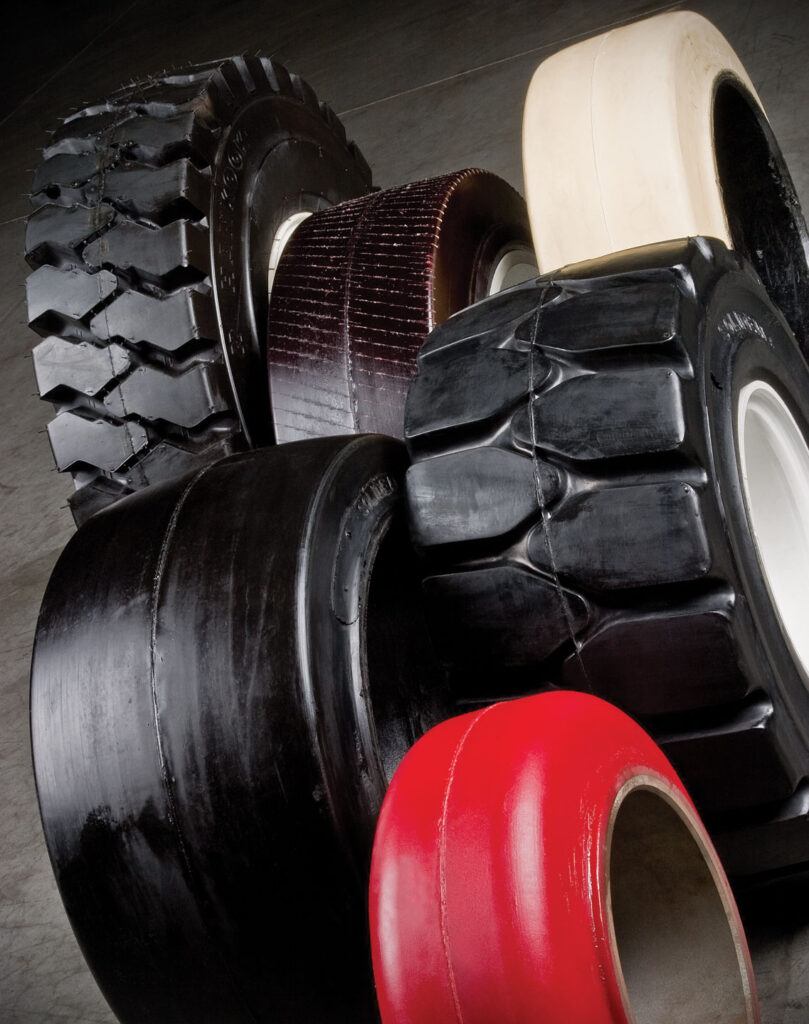
- Tires and wheels – Where the rubber meets the road, it can get ugly. Tires not only wear out but are subject to accidental damage like being gouged by contact with curbs, racks, and metal parts on the floor. A compromised tire or wheel can cause unsafe or unpredictable forklift operation and result in injury and product damage. Tires should also be inspected regularly and replaced if damaged. Tires have a lifespan, and most of them have an indicator that tells you when they have exceeded their safe, useful life. If you don’t have a fast, reliable source of replacement tires or wheels, having some spare inventory can be a life- and money-saver. Wheel bearings should also be kept in inventory.
- Electrical components – Wire harnesses and cable assemblies are often exposed and subject to damage from unintended contact, overheating, and simply degrading over time. Replacements for those items should be kept in inventory. The battery is critical for electric-powered forklifts, and having spares stock will help buffer against supply-chain issues that could lengthen delivery times on these vital components.
- Other items – There’s no substitute for operating a fleet of forklifts over time. You’ll soon find out which components tend to fail and which you need to maintain an inventory for. A good operating and maintenance log can help you decide which additional spare parts to keep on hand.
Apex Material Handling maintains a large stock of spare parts for CLARK, Big Joe, and BYD forklifts, as well as generic parts, like forks, that can fit many manufacturers’ vehicles. Call Apex if you don’t have the space for parts storage or the team to handle service consistently. Our Planned Maintenance Program eliminates the need for customers to worry about lift truck service. Our team of factory-trained technicians regularly service your vehicles to keep them in peak operating efficiency, often extending the useful life of the vehicle. Call today to speak with a service representative and learn why Chicago-area businesses choose Apex as their trusted local source.