Use These Steps to Maximize the Return on your Forklift Fleet Investment
Your forklift fleet represents a large percentage of the overall capital outlay of your facility, as well as a substantial portion of your building’s operating expenses. Managing the efficiency of such a significant cost center is imperative to improving the profitability of your warehouse, distribution center, or manufacturing operation.
Whether you run a small fleet or an army of hundreds of forklifts, these tips will help maximize your return on investment and keep operating costs low.
1. Maintain Your Forklifts Regularly
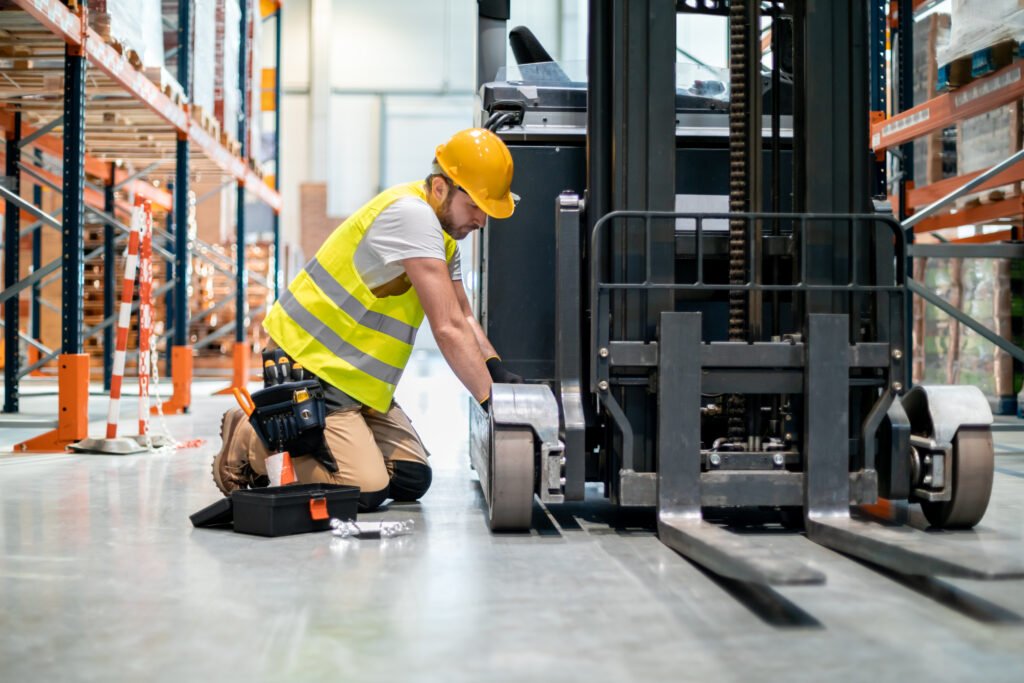
There is no substitute for a regular, scheduled maintenance program. If you don’t have the internal staff to diligently execute this task, work with a local material handling company to provide this service. Follow all manufacturer’s recommended maintenance intervals and make sure you keep accurate records of all maintenance checks: mechanical condition, fluid and fuel levels, battery condition and electrical connections, electronics and telematics, and replacement of worn or defective parts. Use only OEM-approved replacement parts. That ensures consistency, accurate fit and maximum performance. Jury-rigged parts can further damage your forklift. Also, be aware of ergonomics and replace worn seats, mirrors, handles, step treads, etc. An uncomfortable forklift is an inefficient forklift. When not in use, store your forklifts in a protected environment, shielded from weather, dust, dirt and debris. If you invest in a fleet management system, be sure that a service management module is part of the package.
2. Evaluate the Makeup of Your Forklift Fleet Regularly
Is your fleet properly sized and diversified to handle your facility’s various material-handling tasks? Have work requirements–types of loads, rack and dock configuration–changed over the past few years, and has your forklift fleet kept up with these changes? Managers must continually monitor whether the forklift fleet’s capabilities match the material handling tasks the facility presents. Forklifts that are under-utilized can be retired, and their tasks delegated to other vehicles. Short-term forklift rentals can be employed during peak workload periods. Smart load and forklift matching can reduce the overall operating cost of your fleet. And avoid using your forklifts for tasks that were not designed to do, like pulling or pushing loaded carts or other vehicles.
3. Evaluate The Health of Your Fleet Regularly
Keep track of the age, mileage, and level of maintenance required for each vehicle in your fleet. As your forklifts get older, they generally get less efficient and need more care. Keep good records–or better, use a fleet management system–to help you determine when to retire that trusty old vehicle. Once retired, your old forklift may still have some value on the pre-owned forklift market. Accurate records will help you realize the greatest value from selling your used forklifts.
4. Ensure That All Forklift Operators Are Properly Trained
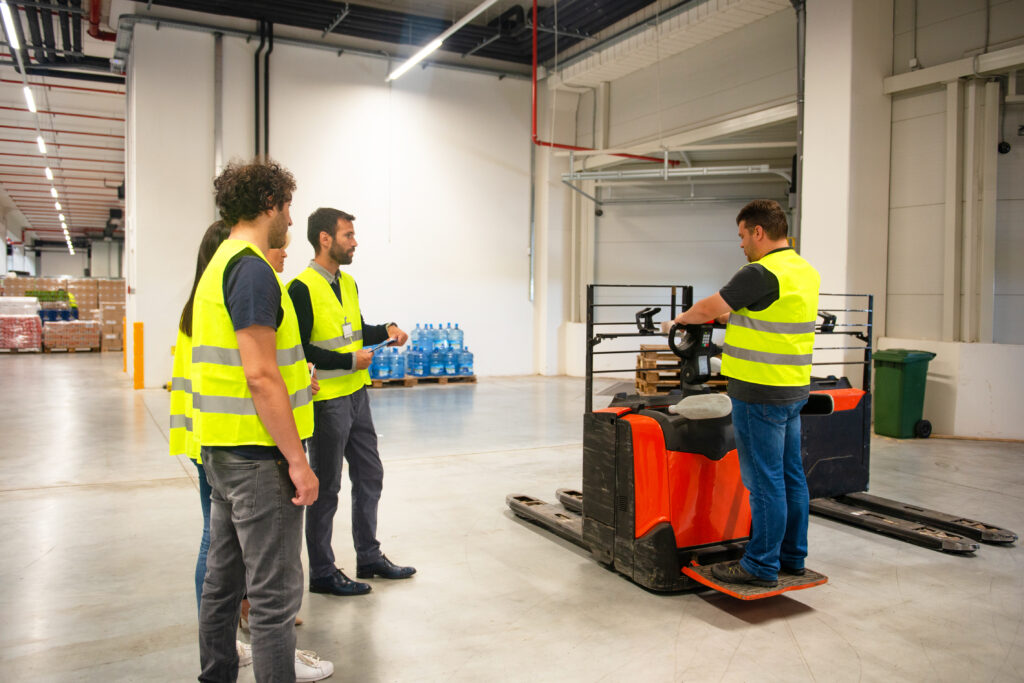
Often, the cause of a forklift’s shortened life has to do with how it’s operated. Forklift operators must understand all driving aspects, managing loads, and accident avoidance. Pre-shift checklists should be mandatory, and their data should be entered into a system to track the vehicle’s history. Maintenance staff should understand and follow the manufacturer’s recommended maintenance protocols and keep records. Forklift fleet managers should be well versed in the concept of forklift fleet TCO (total cost operation) and replace forklifts as needed.
5. Control Access to Your Forklifts
A major source of forklift accidents is unauthorized personnel operating the vehicle. Access control to forklifts prevents unauthorized users from driving your equipment. Many control systems available today–including codes, fobs, and biometrics–ensure that only trained, authorized team members drive your forklifts. This information can be fed into a Fleet Management System to determine whether events such as accidents or spilled loads occur during the shifts of particular operators, potentially pointing out the need for additional training.
6. Invest in a Fleet Management System
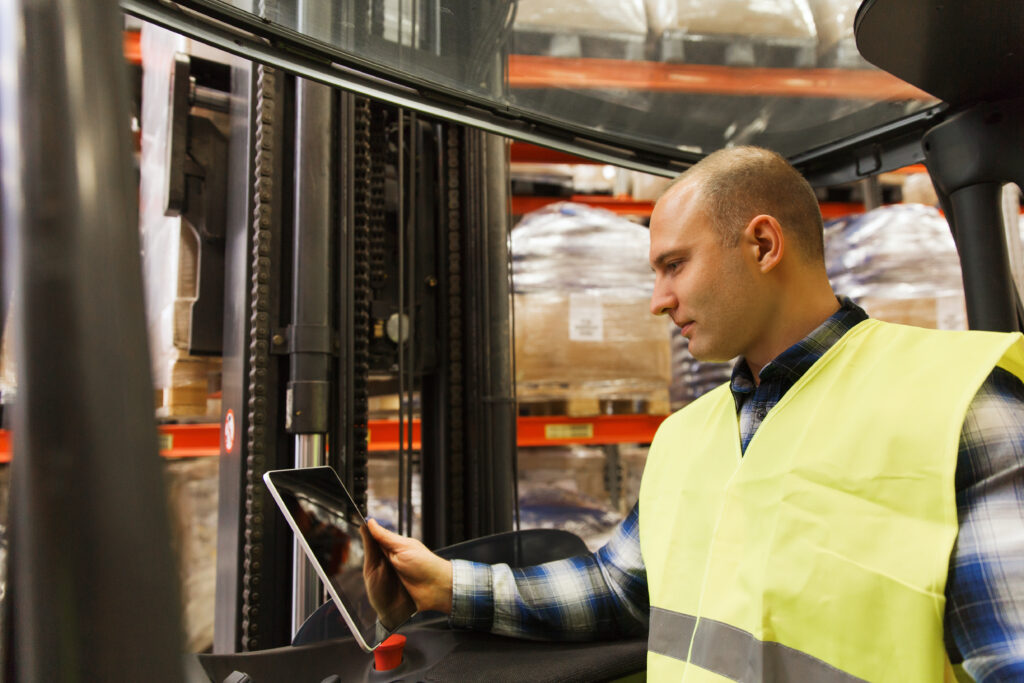
Managing a fleet of forklifts can be a complicated, multidimensional endeavor unless all the information gathered from operators, maintenance personnel, vehicle telematics, and managers is collected automatically in a unified system that can sort and analyze the raw data and provide reports and alerts about issues that require attention. To make this system work, operators, maintenance workers, and charging station staff all need to enter data electronically into hand-held or stationary devices. This type of system makes fleet management a fairly straightforward task. It all depends on the quality of the data entered into the system.
7. Take Advantage of New Technology
Just like passenger cars, new safety and efficiency devices keep becoming available. Install telematics devices that automatically monitor forklift use data and feed it into your management system. These systems record accidents, driving speed, hours in service, battery conditions, fluid levels, and more to allow your operators more time behind the wheel and less behind the dipstick. Use cameras, mirrors, proximity sensors, and alerts to reduce the potential for accidents. Operators are human and occasionally suffer lapses in attention and judgment. Modern safety systems prevent these lapses from becoming catastrophic events.
8. Consolidate With a Single Material Handling Supplier
Working with one trusted supplier for all of your material handling needs–new vehicles, rentals, parts, service, and training–is generally more cost-effective than using multiple sources. Your vendor can even hook into your fleet management system and have the same visibility as you do about the health and utilization of your fleet. Your material handling supplier becomes a true partner in your success.
As stated above, one of the key elements to improving your forklift fleet’s efficiency is working with a single supplier that can offer you new and used forklifts for purchase, lease, and short-term rental units, maintenance and service, parts, accessories, and training. In the Chicagoland area, Apex is the supplier that fills that bill. Contact your Apex rep today for more details on how Apex can be your full-service material handling supplier.