Use Telematics and Digital Technology to Streamline Forklift Fleet Management
Your forklifts are talking—are you capturing what they have to say?
Forklift inspections and routine maintenance provide critical data about equipment condition and performance. If that information is recorded only on paper, it offers just a momentary snapshot. Captured digitally, however, it creates a history—revealing trends in mechanical health, usage patterns, and even impact events.
When that data is transmitted wirelessly to a database and analyzed in real time, fleet managers can shift from preventive to predictive maintenance, addressing potential problems before they happen.
By incorporating operator information and forklift in-use data, the system can reveal needs for additional training and highlight areas of over- or under-utilization. Route mapping and tracking of inventory movement within a facility allow a warehouse manager to optimize the travel of forklifts, minimize idle time, and right-size the fleet.
Multiplied over a fleet of forklifts in a facility–or over an entire enterprise–the data becomes a powerful tool for optimizing the efficiency of your corporate forklift fleet and improving your company’s overall productivity.
An additional benefit? An optimized forklift fleet is a safer forklift fleet.
Telematics and IoT Becoming the Standard
Industry data indicates that approximately 50 to 75% of forklift fleets use the benefits of digital technology, including telematics and predictive analytics, to run their fleets. Still, many fleets run in legacy mode, recording data on paper, suffering unplanned downtime from the haphazard collection of forklift operating data.
In today’s world, technology is available–digital measuring devices, wireless communications, and analytics software that allows fleet managers to optimize their fleets, employing the principles of predictive analytics and real-time forklift asset management.
Let’s Define The Terms
Internet of Things (IoT)
This term refers to the network of objects and devices embedded with sensors, software, and a communication protocol that allows them to be connected to the Internet and exchange data with each other and other devices.
- “Smart” devices that transmit data to be analyzed
- Facilitates automation
- Enables remote operation
- Optimizes the connected network
Telematics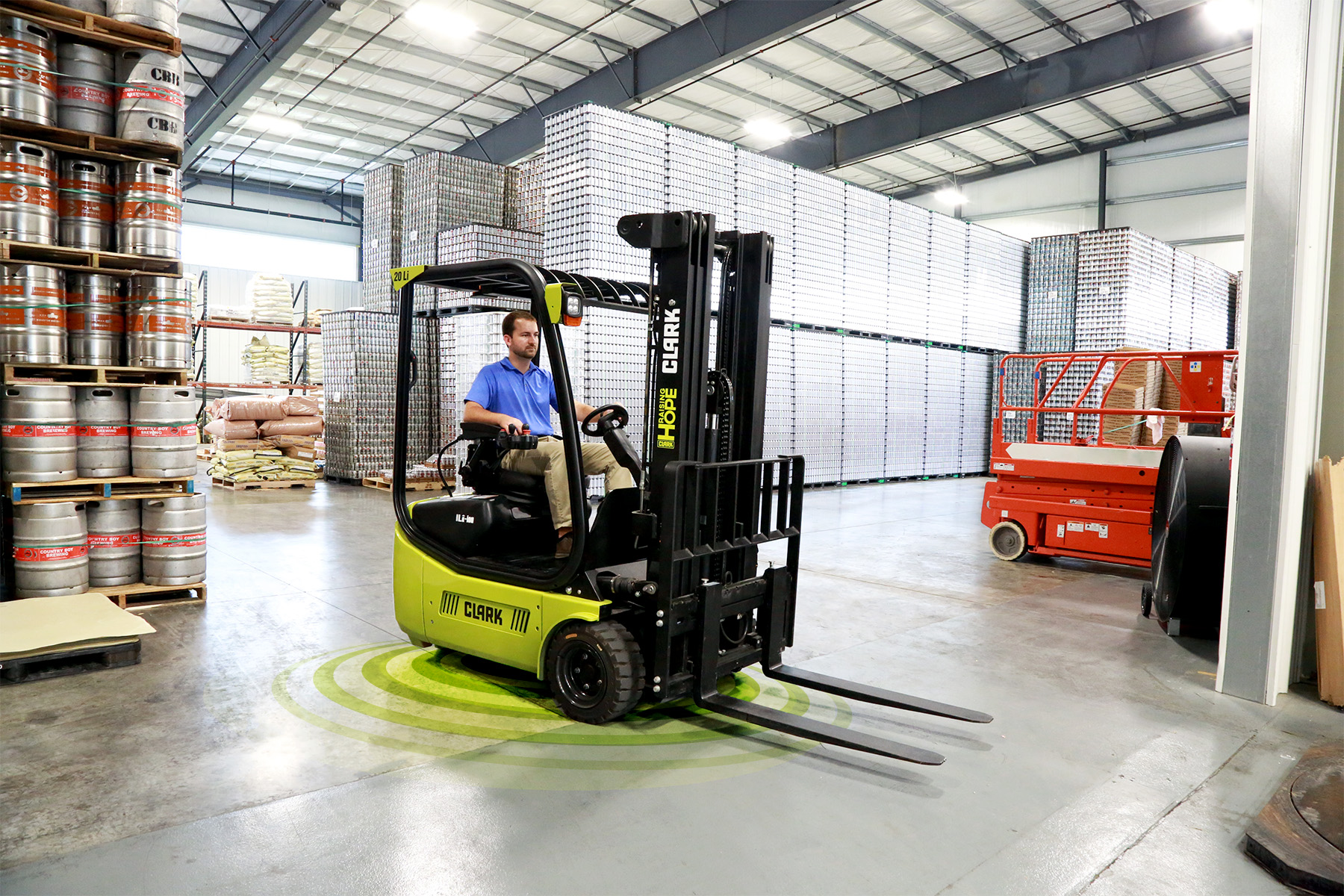
This term defines the technology that merges telecommunications and data processing to monitor and manage vehicles or other machines remotely.
- Uses GPS and onboard diagnostics (OBD)
- Collects data on location, speed, driver behavior, and performance
- Transmits information wirelessly to a central system for analysis
- Provides real-time insights for fleet management, safety, and asset tracking
Predictive Analytics
This refers to the technology that forecasts future outcomes using current and historical data combined with statistical analysis, machine learning, and data mining.
- Identifies patterns and trends in data
- Predicts likely outcomes
- Supports informed, proactive decisions
- Helps reduce risks, improve efficiency, and identify new opportunities
How Do I Get Started?
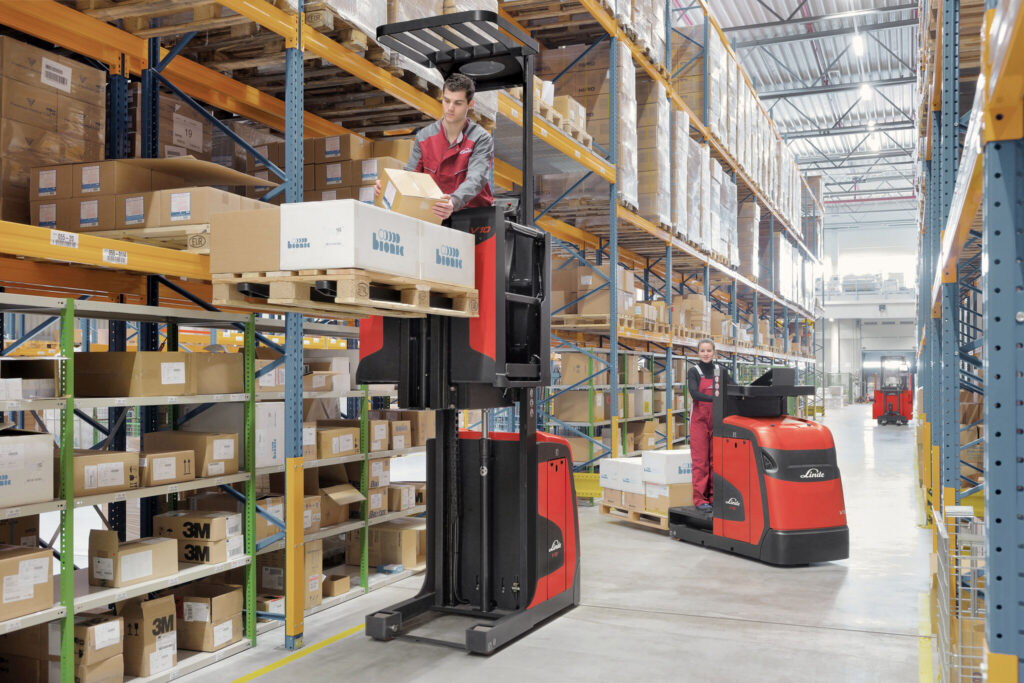
You’ll need to upgrade your existing fleet management program to one that can incorporate all the data produced by pre-shift inspections and regular maintenance reports with telematics data transmitted from your fleet’s forklifts’ sensors and controls. Both Linde and Clark offer fleet management systems that incorporate predictive analytics.
Linde Connect provides modular fleet management. It includes access control, vehicle data monitoring, and vehicle usage analysis. It can be installed on a PC or laptop. A browser version is available. Data can be hosted locally or by Linde.
Clark SMART Telematics and Clark SMART Fleet – Allows customers to gain insight into operator safety and performance metrics. Provides user-friendly web-based dashboard displays of key metrics, including impact reports, pre-shift inspections, vehicle utilization reports, and much more. Clark SMART Fleet, available to National Accounts, includes access to a dedicated data analyst to review service trends, usage data, and invoices to provide feedback and suggestions on ways to maximize operational efficiency while minimizing cost.
These systems allow information to be stored in the cloud or in a local network. Laptop, tablet, or smartphone-based displays will enable a manager to view and act on any signal that indicates a problem. The system can provide alerts to both managers and forklift operators to predict events that require attention.
The whole process starts with measurement. As the old saying goes, you can’t control what you can’t measure. Creating a “cyber-forklift fleet” starts with meticulously capturing measured and observed data from your forklifts. This includes observed data from pre-shift checks as well as measured parameters such as battery level, charging times, and electrolyte levels in electric forklifts, to oil pressure, fuel levels, and filter conditions in internal-combustion forklifts.
For all forklifts, it includes measuring hydraulic fluid condition, lift/lower and in-transit times, and braking and acceleration data, as well as observed data such as fork and mast wear, brake and steering issues.
For the connected fleet, operational data such as service hours, operator identification, and maintenance intervals is also collected.
Measured data can be transmitted via wi-fi, cellular, or Bluetooth technology. However, observed data, such as that collected during pre-shift inspections, can be entered into a hand-held digital device that can share that information wirelessly with the control system.
Add GPS-based usage/location data, and the system can create route maps to optimize inventory movement and the deployment of your assets–forklifts, pallet jacks, and order pickers.
And legacy forklifts, not equipped with the latest sensor and transmission technology, are not a problem. Bolt-on sensors, data collection devices, and wireless transmitters are available for your beloved but older forklifts.
What Are The Benefits of Predictive Analytics in Forklift Fleet Management? |
|||
| Benefit | Description | ||
|
Proactively schedule repairs, reduce downtime, and prevent unexpected breakdowns. | ||
|
Monitor operator behavior, reduce accidents, and highlight training needs. | ||
|
Track energy use, adjust charging/routes, lower costs, and maximize resources. | ||
|
Analyze utilization, remove bottlenecks, streamline workflows, and boost productivity | ||
Let’s drill down on these benefits just a bit:
Improved Maintenance Planning
Data from forklifts is continually monitored via telematics, allowing the system to detect patterns and identify potential maintenance issues before they occur. The fleet manager can proactively schedule and plan repairs, reducing downtime and preventing unforeseen breakdowns.
Improved Forklift Safety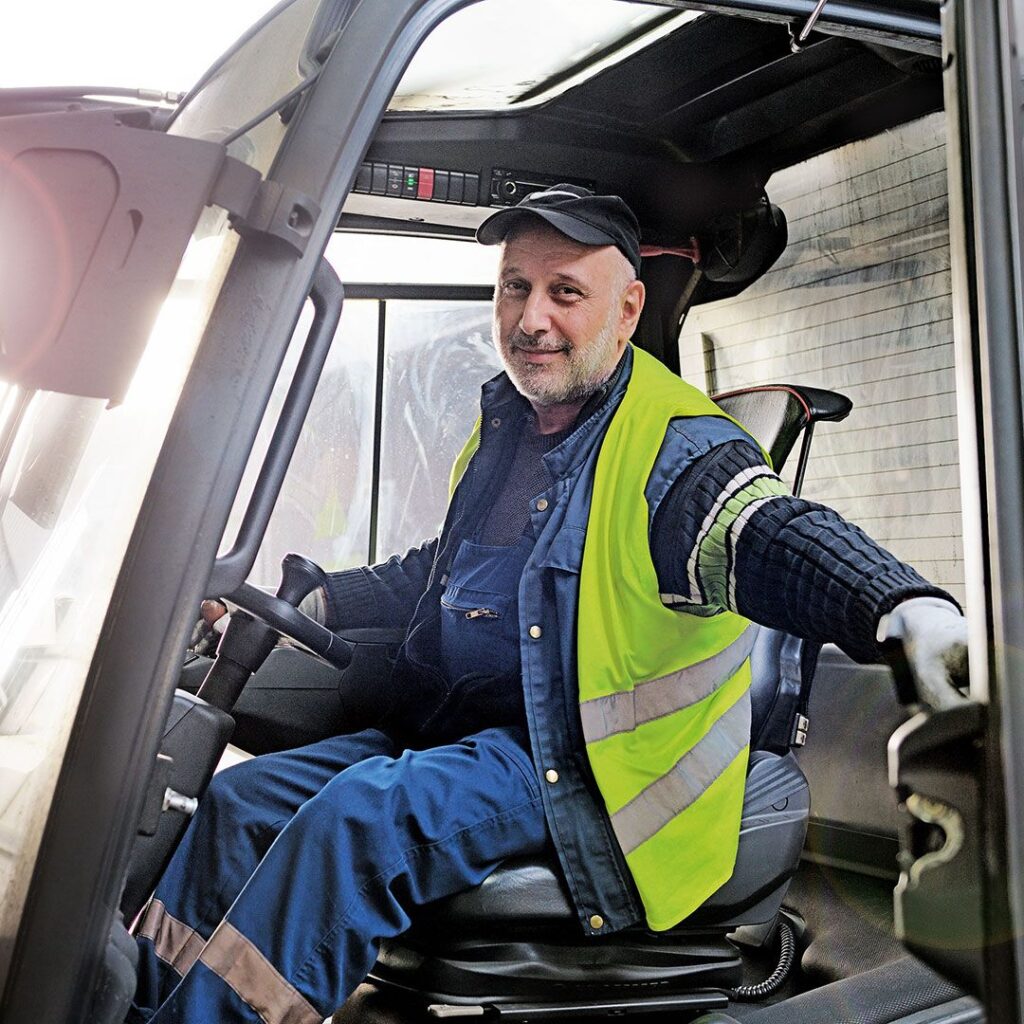
Predictive analytics can monitor operator behavior and identify patterns that could lead to accidents or mishaps. By analyzing data such as speed, collisions, and near misses, the system can provide real-time feedback to operators, promoting safe behavior and reducing the risk of accidents. It can also point out the need for additional training. This proactive approach to safety helps protect both employees and inventory.
Optimized Energy Consumption
The technology allows you to monitor the energy consumption of forklifts and identify areas for optimization. By analyzing data such as battery usage, charging patterns, and operational hours, you can improve forklift routes, charging schedules, and battery maintenance. These adjustments reduce energy costs and ensure efficient use of resources.
Efficiency Workflow Planning
Predictive analytics provides insights into forklift utilization patterns and performance metrics. By analyzing this data, fleet and facility managers can identify bottlenecks, streamline workflows, and optimize forklift allocation. This ensures that forklifts are effectively utilized and workflow processes are optimized, leading to increased productivity and efficiency.
OK I’m Ready
IoT and telematics aren’t just for new equipment—many systems can be retrofitted to your existing fleet, giving you faster access to predictive insights and efficiency gains. A smarter fleet is also a safer, more cost-effective one—preventing just a handful of breakdowns or downtime events each year can more than justify the investment.
Contact your Apex representative today to explore your options for bringing the power of IoT and predictive analytics to your operation.