
Get the Most from Your Forklift Fleet This Winter — Reliable Tips for I.C. and Electric Forklifts
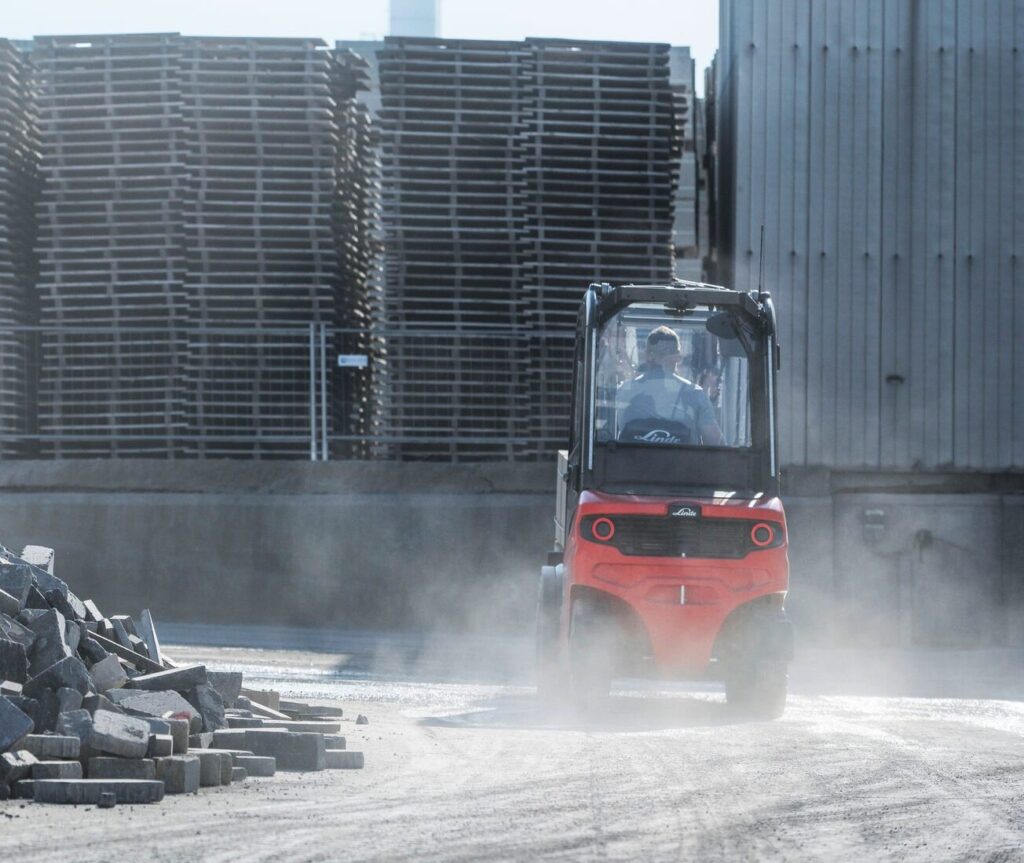
It may be warm where you are now, but winter is coming—and if you’re in a region with significant seasonal weather, it’s time to start thinking about your material handling equipment. Cold temperatures, icy conditions, and extended periods of downtime can take a serious toll on forklift performance, operator safety, and overall warehouse efficiency. Whether you’re managing a single truck or an entire fleet of I.C. or electric forklifts, a proactive winterization strategy is essential to reduce downtime and extend the life of your equipment.
Why Winter Conditions Are Tough on Forklifts
- Cold temps drain battery efficiency – Electric forklifts lose charge faster and require longer recharge times.
- Internal combustion engines struggle with cold starts – Thicker fluids and cold components reduce responsiveness.
- Slick surfaces increase safety risks – Wet or icy docks and aisles can reduce traction and handling control.
Winter Prep Checklist for Electric Forklifts
Electric forklifts are energy-efficient and ideal for indoor use—but cold weather calls for special attention. Here’s how to protect performance:
General Winter Prep Tips for Electric Forklifts
While battery care varies by type, some cold-weather prep steps apply to all electric forklifts. These universal best practices help improve safety, performance, and uptime across your fleet:
- Maintain proper tire condition.
Cold temperatures can reduce tire pressure and make rubber more rigid. Inspect all tires regularly for wear, cracks, or flat spots, especially on units operating outdoors. - Inspect wiring and connectors.
Frigid temperatures can make cables brittle and more prone to cracking. Check for frayed wires, corroded terminals, or loose connections. - Keep chargers in warm areas.
Chargers and battery storage zones should remain in temperature-controlled environments to preserve charging efficiency and battery health. - Use clean, dry storage areas.
Moisture and freezing conditions can damage both electrical and mechanical components. Store forklifts indoors or under shelter whenever possible.
Battery-specific winter prep varies depending on the technology your forklifts use. Below are tailored recommendations for both lead-acid and lithium-ion batteries to ensure safe, efficient operation during cold weather.
For Lead Acid Batteries
|
|
For Lithium-Ion Batteries
|
Pro Tip: For both battery types, avoid short charging cycles in cold temps and ensure chargers are placed in warm, dry locations to maintain efficiency and prevent moisture-related issues.
Winterizing Tips for I.C. Forklifts
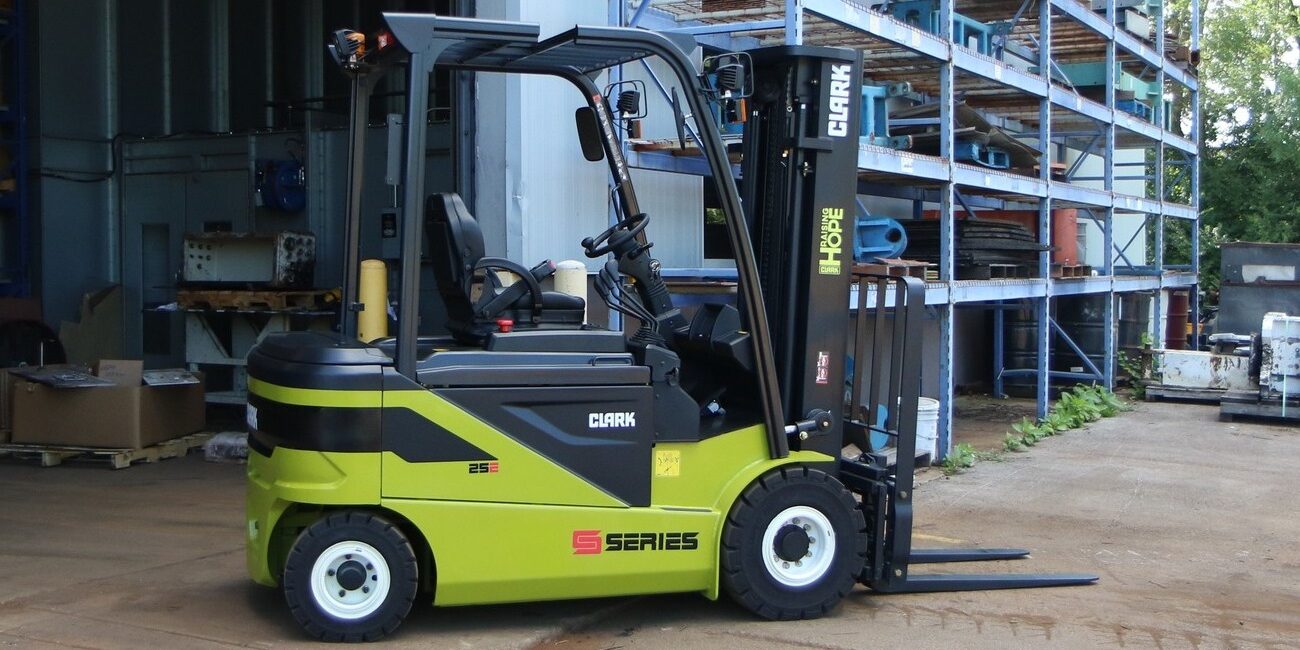
Internal combustion forklifts need fluid and component attention to combat the cold:
- Switch to winter-grade oil and hydraulic fluid.
These reduce friction and promote smoother engine operation in cold starts. - Inspect glow plugs and cold-start systems.
Make sure start-assist systems are in working order before cold weather hits. - Warm engines before use.
Idling the machine for a few minutes reduces stress on cold components. - Check coolant and antifreeze levels.
Prevent freezing and ensure proper engine cooling under load. - Protect hoses and cylinders.
Inspect rubber components for brittleness or cracks due to freezing temperatures.
Operator Safety in Winter
Cold weather increases the risk of slips, reduced visibility, and operator fatigue, making safety precautions even more critical. Ensure operators have proper cold-weather PPE, including gloves, thermal layers, and high-visibility gear. Keep all travel paths and loading docks clear by regularly removing snow and ice, and consider using snow removal attachments like plows or brushes for efficiency. Lastly, maintain visibility by checking that all mirrors, lights, and windshields are clean and functioning—heated mirrors can be especially helpful in freezing conditions.
- Cold-weather PPE
- Clear snow/ice from work zones &loading docks
- Deploy forklift attachments for snow removal
- Use heated mirrors & lights
Storage Tips for Idle Forklifts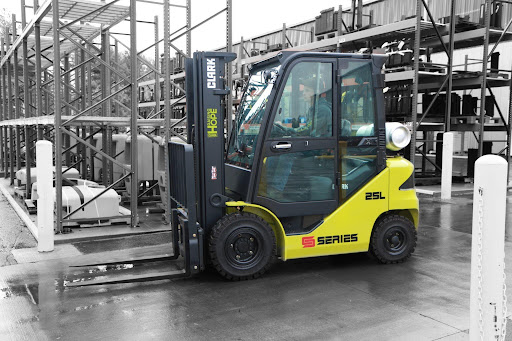
If your forklifts will be out of operation for part or all of the winter, proper storage is essential to prevent wear, corrosion, and component failure. A few simple steps can go a long way in preserving equipment and ensuring it’s ready when you need it:
- Store indoors or under weather protection
- Disconnect batteries (for long-term storage)
- Check tire pressure regularly
- Apply anti-rust treatment to exposed metal components
Apex Companies Can Help Winterize Your Fleet
Winter preparation doesn’t have to be complicated—or costly. Apex Material Handling offers seasonal service packages to help you protect your I.C. and electric forklifts and maximize equipment lifespan.
Whether it’s cold-weather fluid swaps, battery conditioning, or operator safety training, our technicians will get your fleet winter-ready—fast.