Balancing Budget, Flexibility, and Efficiency with Forklift Lease & Rental Options
If you need to outfit your operation with the right forklift but want to avoid the hefty upfront purchase, two popular options stand out: a forklift lease and a forklift rental. While both choices get you access to the equipment at a lower initial price, there are key differences in cost, commitment, and flexibility that can significantly impact your bottom line. If you already own equipment and are in the market for newer or different lift vehicles, converting to leasing or renting can also generate cash flow by allowing you to trade in or sell your existing forklifts. Below, we’ll compare the advantages and considerations of each approach, offer guidance on which solution might be best for your specific situation, and address frequently asked questions to help you make an informed decision.
Forklift Lease: The Long-Game Strategy
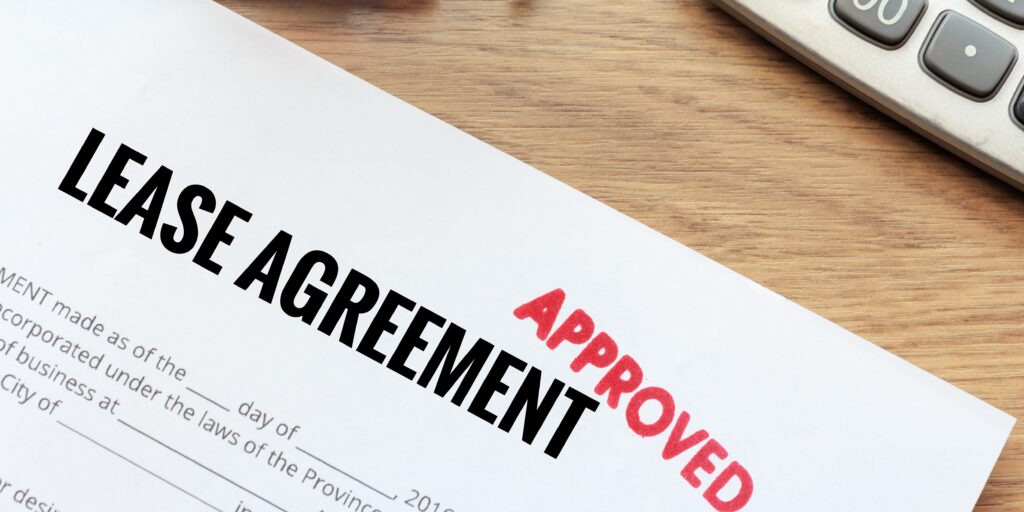
A forklift lease is typically a longer-term commitment, often ranging from one to five years (or more). Many leases include a standard usage allowance of around 40 hours per week—about 2,000 hours per year—which helps define and control operating costs. This arrangement suits businesses with consistent operational needs and a desire for predictable expenses.
Advantages of Leasing
1. Predictable Costs.
Lease agreements typically require a small (if any) down payment and fixed monthly payments over the lease period, helping cash-strapped operations secure the equipment they need and budget more accurately.
2. Access to Newer Models.
Leasing makes it easier to acquire newer forklift models, often with the latest safety and performance features.
3. Opportunity to Own.
Depending on the lease agreement, you might have the option to purchase the forklift at the end of the lease term.
4. Maintenance Can Be Included.
Consider adding Planned Maintenance (PM) to your lease agreement to ensure your equipment is regularly maintained and to reduce unexpected repair bills and vehicle downtime. At Apex, we service forklifts of all makes and models with OEM-approved parts for ultimate peace of mind.
5. Warranty Coverage.
Equipment is often covered by the leasing company’s warranty, which can significantly reduce maintenance and repair costs for the lessee. This added layer of protection helps keep your operation running smoothly and minimizes unexpected expenses.
Considerations
- Long-Term Commitment
You’ll be responsible for payments throughout the lease term, so be sure your operational needs align with this timeframe.
- End-of-Term Options
Clarify whether you can buy the forklift, upgrade, or return it with no obligation.
- Usage Limits & Wear-and-Tear
If your lease includes an hourly limit, you may face additional fees for exceeding that limit or for excess wear at the end of the term.
FAQs for Forklift Leasing
1. Can I customize the forklift?
Yes, most leased forklifts can be customized, but you’ll need to follow the leasing company’s guidelines.
2. What happens if I need more forklifts mid-lease?
You can often add more to your agreement or set up a new lease.
3. Are there penalties for early termination?
Early termination policies vary. Always check your contract terms.
4. Is maintenance included in the monthly payment?
Many leases include service plans – confirm details in your contract.
5. Do I qualify for any tax benefits?
Leasing can sometimes offer tax advantages, but consult your accountant for specifics.
Forklift Rental: The Flexible Short-Term Solution
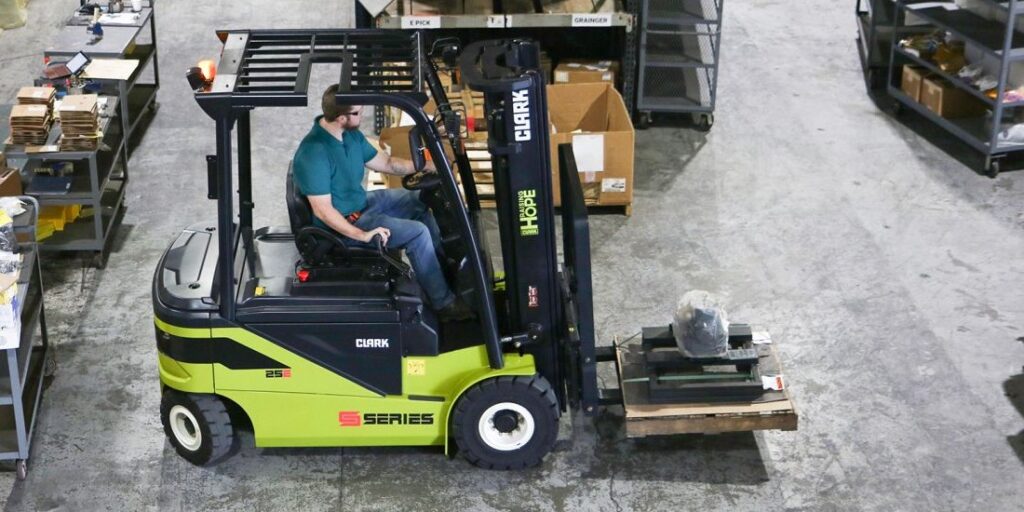
Forklift rental is designed for shorter timeframes – ranging anywhere from a day to several months. It’s a great choice for covering seasonal spikes in demand, special projects, or when you need specific equipment features for a limited time.
Advantages of Renting
1. High Flexibility
Rent only when you need it, avoiding idle equipment or ongoing payments.
2. Short-Term Commitment
Perfect for seasonal projects, temporary warehouse expansions, or occasional high-volume periods.
3. Access to Specialized Equipment
If you need a unique forklift attachment or a specialized forklift (e.g., reach truck, narrow aisle), renting can be a cost-effective way to fill that need quickly.
4. Reduced Maintenance Responsibility
In most rental agreements, the rental provider handles service and repairs.
5. Compliance
The renting company is responsible for ensuring the equipment is compliant with regulations, such as adding attachments and re-rating.
6. Test Drive
If you’ve been curious about a newer forklift model or a different brand, renting gives you the chance to confirm that the equipment meets your performance, safety, and comfort requirements before committing to a longer lease or purchase.
Considerations
- Higher Daily or Weekly Rates
Though flexible, rentals can be more expensive per day than a lease. - Limited Customization
Rental fleets typically come “as is” with standard features. - Availability
During peak seasons, popular models may be in short supply.
FAQs for Forklift Rentals
1. What rental periods are available?
You can often rent by the day, week, or month, depending on your needs. Most dealerships offer long-term rentals (a year or more), which can give you a better rate with less commitment. When the rental period is over, you just turn it in.
2. Is maintenance included in the rental fee?
Yes, most rental agreements include service, but always verify.
3. Do I need insurance?
Typically, yes. Check with your rental provider for coverage options.
4. Can I rent multiple forklifts at once?
Absolutely—many providers, like Apex, maintain a fleet of forklift options for various needs.
5. What if the rented equipment breaks down?
The provider (Apex) usually offers prompt replacement or on-site repair.
6. Do I qualify for tax benefits?
Renting is considered a straightforward business expense for tax purposes, meaning it doesn’t appear as either a liability or an asset on your balance sheet. For personalized guidance, it’s a good idea to consult with your financial advisor.
Which Option Is Right for You?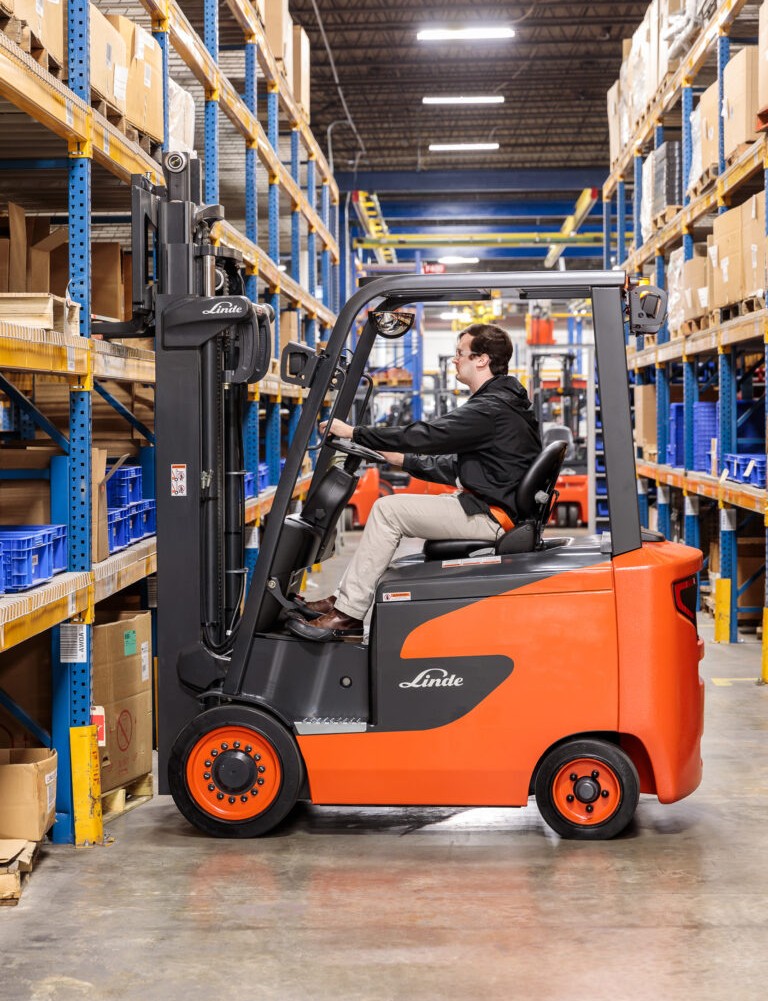
- Short-Term or Seasonal Projects
If your warehouse experiences periodic spikes in workload or if you’re trying out new processes, a rental might be your best bet. This is especially true if these projects are recurring but brief—renting gives you the flexibility to only pay for the forklift when you need it. - Mid- to Long-Term Operational Needs
If you have an ongoing demand for a certain forklift capacity or configuration, or if you prefer having newer equipment under warranty, a forklift lease will offer stable monthly costs and might even include a path to ownership. - Multi-Functional Requirements
Some companies find renting multiple forklift types (like a reach truck plus a pallet jack) for recurring short projects more cost-effective than purchasing or leasing multiple dedicated units. Consider renting if you need specialized equipment for limited times.
Partner with Apex for All Your Forklift Needs
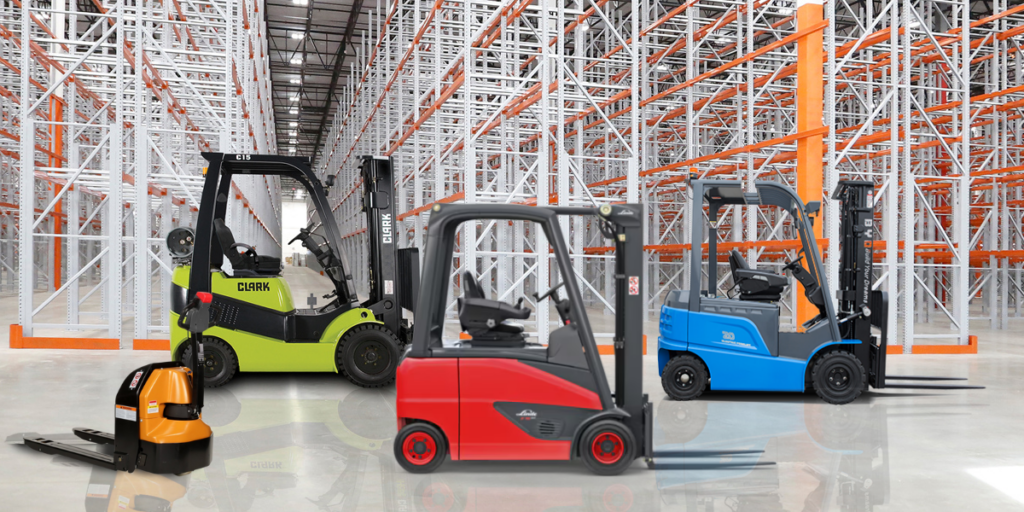
At Apex, our material handling experts will help you choose the right forklift and the right terms—whether it’s a forklift lease or a short-term rental. We service and repair all makes and models using OEM-approved parts, ensuring your forklift stays in top condition for as long as you need it. Plus, if you’re in the market to purchase, we offer quality new forklifts from Linde, CLARK, BYD, and Big Joe, as well as trusted, pre-owned equipment for every budget.
Ready to explore your options? Reach out to the Apex team today. We’ll help you find the perfect solution for your operational needs, ensuring you get the best equipment at the right price and on terms that fit your business goals.
Read our companion blog for information on Forklift Lease vs. Purchase.