
Flat Spots on Forklift Tires Indicate Problems–Here’s Why
If you’re hearing or feeling anything resembling a “clunk-clunk” while driving, it’s most likely from a flat spot on your forklift tire. Unaddressed forklift tire flat spots (say that 3 times fast) can lead to unsafe operation or other damage to your forklift. Forklift tires with flat spots should be replaced immediately.
3 Major Causes of Tire Flat Spots
 1 – Hot Weather
Operating a forklift in the summer, especially outdoors in a hot climate, can take a toll on forklift tires, especially if the truck is fully loaded and spends a lot of time parked with a full load. This can also happen if your forklift is stored outdoors for an extended period of time in a hot climate. If your forklift has been out of use for a long time, a thorough inspection of the vehicle, including its tires, must be made.
2 – Improper Operation
Forklift cowboys or cowgirls can wreak havoc on your forklifts.
- Making sharp turns with a loaded forklift can cause a drive wheel to lock up and abrade against the floor.
- Abrupt braking can cause forklift wheels to lock up and create flat spots on the tires.
- Parking the forklift on a level surface and avoiding prolonged periods of idling with a heavy load can help prevent flat spots from forming on your tires.
If certain operators consistently create flat sports on their forklifts, it may be time for them to undergo additional forklift training.
3 – Floor Debris
Housekeeping is important. Sharp objects on the floor can jam a tire and prevent it from spinning, and dirt or other debris can lodge in the wheel’s bearing and also prevent it from spinning freely.
Keep those floors clean with easy-to-use, quality industrial sweepers and scrubbers from Apex! Also, download the Apex Daily Inspection Checklist to ensure your forklifts are operating safely and efficiently, helping to prevent issues like flat spots and extend the life of your equipment.
Forklift Tires & Susceptibility to Flat Spots
Forklifts use different types of tires, and each type can react differently to conditions that cause flat spots. Understanding these differences can help you make better-informed decisions when selecting or maintaining your forklift tires.
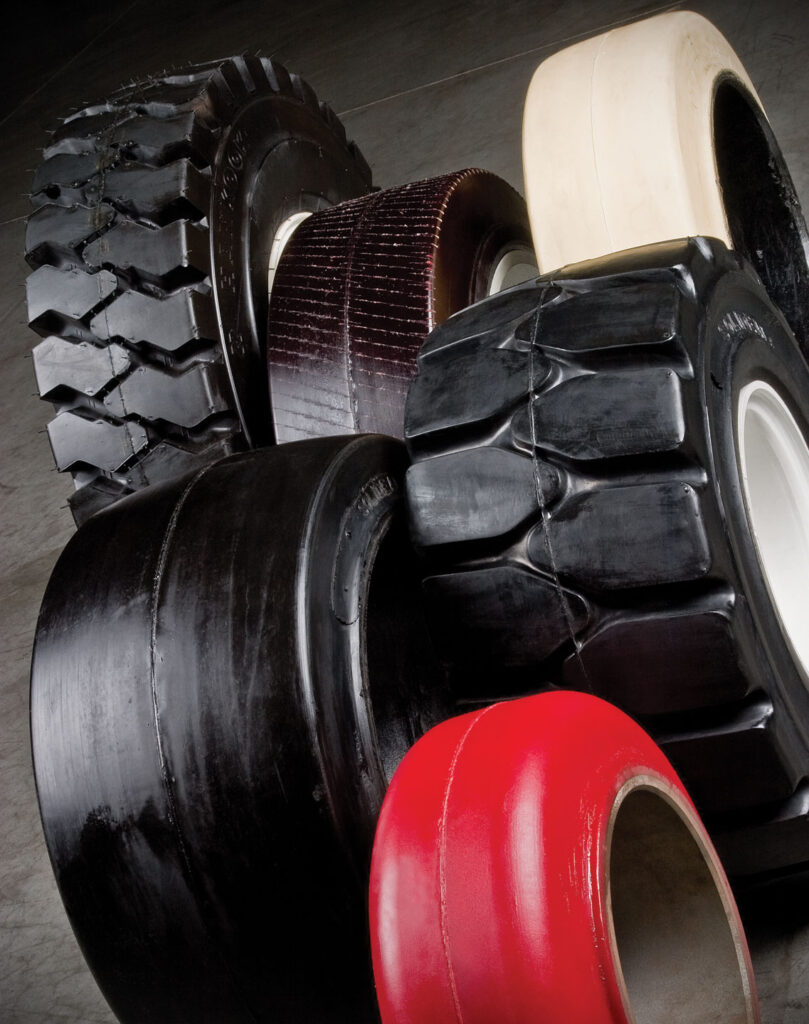 Pneumatic Tires:
These tires are air-filled and commonly used in outdoor and rough terrains. While they provide better shock absorption and a smoother ride on uneven surfaces, they are more susceptible to damage from sharp objects on the floor, such as nails or glass, which can cause flat spots. Additionally, prolonged exposure to hot weather can lead to the air inside the tire expanding or uneven wear, making pneumatic tires more prone to developing flat spots if not regularly inspected.
Solid Rubber Tires:
These tires are often used on indoor forklifts operating on smooth, flat surfaces. While they are less prone to punctures and require less maintenance compared to pneumatic tires, they can still develop flat spots, particularly when forklifts are left idle for extended periods or subjected to improper operation. Solid rubber tires are also more prone to wear from hard braking or sudden stops, as they don’t have the cushioning effect that pneumatic tires offer.
Solid Pneumatic Tires:
Like solid rubber tires, these tires can not be punctured. They are often reinforced with other compounds and have treads for outdoor use.
Cushion Tires:
Designed for indoor forklifts, cushion tires are a hybrid between pneumatic and solid tires. They offer a smooth ride while less susceptible to floor debris damage. However, like solid rubber tires, cushion tires can develop flat spots due to improper operation or if a forklift is left idle for too long.
Selecting the right type of tire, manufactured with the right compounds, is imperative to maximize the safety and useful life of your forklift tires. Consult with one of our professionals who can help you select the right tire to ensure the right tire, fit, and usefulness.
Forklift Tires & Flat Spots – Remedies & Resources
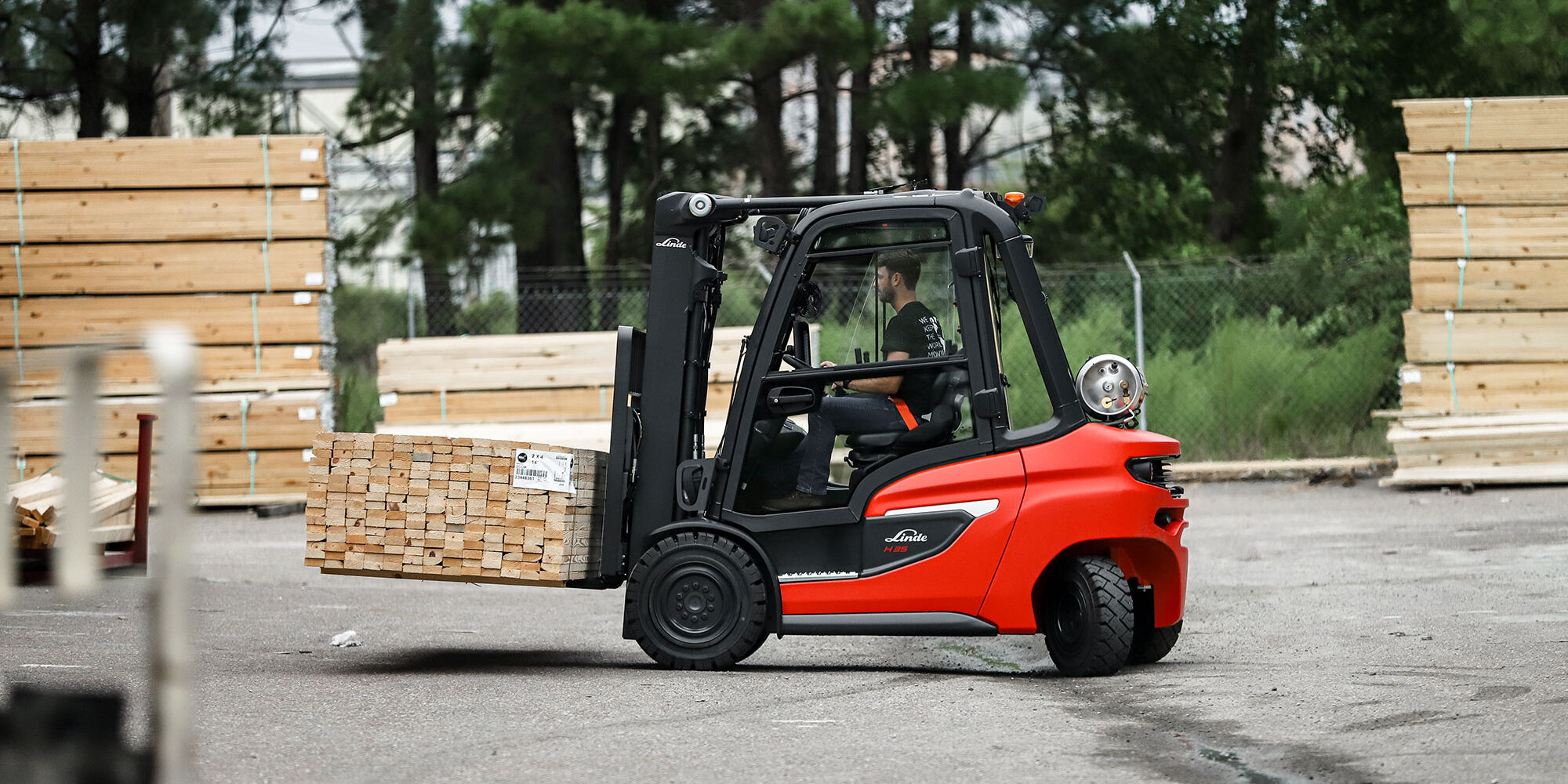
If one of the tires on your forklift develops a minor flat spot from sitting idle in a hot spot, it’s possible that using it will even out the flat spot. Most likely, however, the tire will have to be replaced. Driving a forklift with a tire with a flat spot can lead to a load becoming unstable and result in product tumbling from a pallet. It can also cause other damage to the forklift, like deforming the wheel bearings.
When you need to replace the tires on your forklift, look no further than Apex. We stock a wide inventory of spare parts, including tires, bearings, and wheels. If the cause of flat spots is improper operation, Apex offers Forklift Operator Training to help ensure the highest productivity and longevity for your equipment and your team. Contact Apex for forklift equipment, service, parts, and training.
Check Out Related Blog Topics:
Outdoor Forklift Tires Selection – Part 2