
Now That Summer’s Here, It’s Time to Address Forklift Overheating
Man, it’s hot out. You’re really sweltering. And it’s slowing you down. But guess what? The heat could be having the same effect on your forklift fleet. An overheated forklift is not only a dangerous safety hazard, it can also drain productivity when it breaks down. Now that the heat is on, it’s a good time to review the causes and remedies of forklift overheating.
Although the reasons for overheating in internal combustion (IC) powered forklifts and battery-powered forklifts may differ to some extent, there are common aspects of overheating for both types. And the same goes for what to do when forklift overheating occurs.
Let’s look at the causes of forklift overheating in both types, tips to prevent them from overheating, and steps to take to cool down a forklift—ensuring safety and productivity.
Tips to Avoid Forklift Overheating
Take Frequent Forklift Breaks
When the temperature soars, many machines struggle to maintain their performance, and forklifts are no exception. Excessive heat can degrade the performance of both forklift batteries and internal combustion (IC) engines. The best advice is to give your forklift a break when the weather is hot. Institute more forklift breaks per shift than you would under normal conditions. Most IC forklifts have a temperature gauge or a warning light indicating when the forklift is operating in the danger zone. Some battery-powered forklifts also have warning lights. If you feel excessive heat coming off your battery, it’s time to give the vehicle a break. Use common sense: if your forklift emits steam or smoke, or makes unusual noises, shut it off immediately.
Additionally, don’t let the forklift idle excessively. If it’s going to be stationary for more than 15 seconds, shut it off. Whenever possible, park your forklift in the shade. Just like people, equipment exposed to direct sunlight can overheat and suffer damage. For those adding their own fluid to the radiator, avoid using water during summer. Instead, use the proper coolant, which works much better than water in high temperatures. By following these tips, you can help ensure your forklifts maintain optimal performance even during the hottest days. Stay cool and keep your forklifts cooler!
Don’t Stress Your Forklift
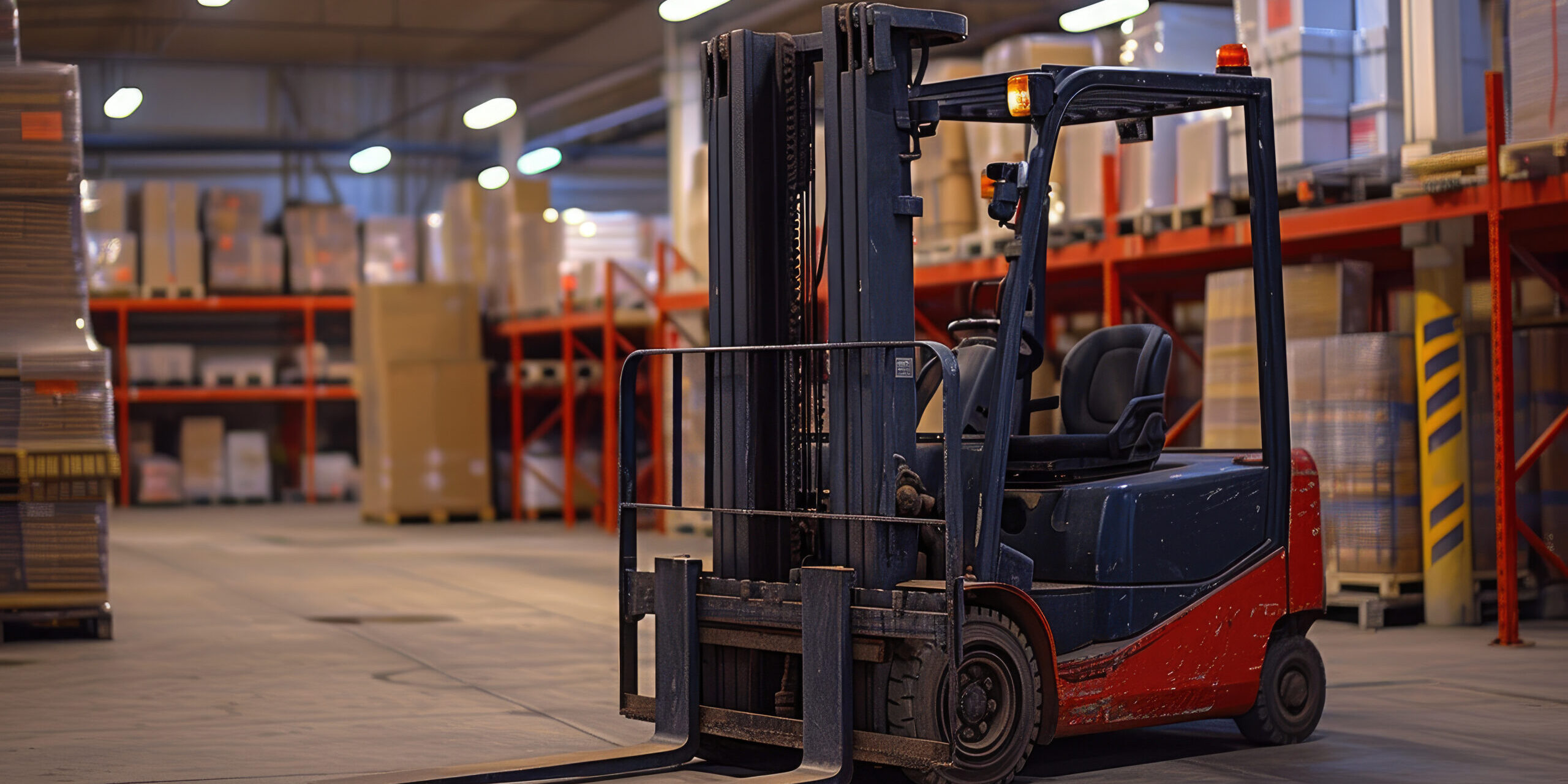
Another way to avoid a catastrophic forklift event during hot weather is to gently use your forklifts. Avoid reaching or exceeding the forklift’s rated lifting capacity, and reduce travel speeds while carrying a full load. Drive smoothly, and don’t ride the brake. Improper use can cause forklift overheating under normal circumstances, and when it’s hot outside, it makes it that much worse.
Maintain Your Forklifts Properly
Hot weather requires that forklifts be properly maintained to operate at peak efficiency. Things you can get away with in cooler weather become bigger issues when the weather is hot. Ensure all fluid levels–such as coolant, hydraulic fluid, and oil–are topped up. Check all hydraulic connections for leaks. A faulty hydraulic system can cause a forklift to have to work harder just to achieve normal operation.
For IC forklifts – Check radiators for debris that might impede heat transfer, and make sure that fans and fan belts are not broken or worn. Clean all air, oil and fuel filters. Ensure the water pump is working properly and not leaking.
For Electric forklifts – Ensure electrolytes are topped up and cable connections are clean and solid. If cables are heating up, it can mean that they’re either undersized or there is corrosion (either at the contacts or where the cables are crimped to the connectors). In both cases, they should be repaired or replaced. In very hot weather, lead-acid batteries may need to be charged more frequently than under normal conditions to reduce the risk of your forklift overheating. If it has a cooling fan, make sure it’s operating properly and is not blocked by debris, dust or dirt.
Keep Your Facility Clean
Dirt, dust, and debris on your warehouse floor can get pulled into your forklift’s radiator and reduce cooling ability. It can also accumulate in the forklift’s moving parts and make the machine work harder. If working outdoors, having a clean working environment is not always possible. In that case, cleaning and maintaining the forklift more frequently is necessary.
What to Do If Your Forklift Overheats
Step One. Stop using it – Immediately. An overheated forklift is a fire hazard, and continuing to use it could cause catastrophic damage to the vehicle…or the operator. Move it to a cool spot and let the accumulated heat dissipate. Do not try to spray the forklift with water. That could damage the engine or the battery and possibly cause a fire. Depending on how hot the forklift is, it may take up to 24 hours to completely cool it off.
Once cool, run a complete maintenance check on the vehicle to ensure everything works properly. During the summer, you may need to change your forklift schedule and have your forklifts operate on shorter shifts.
Training
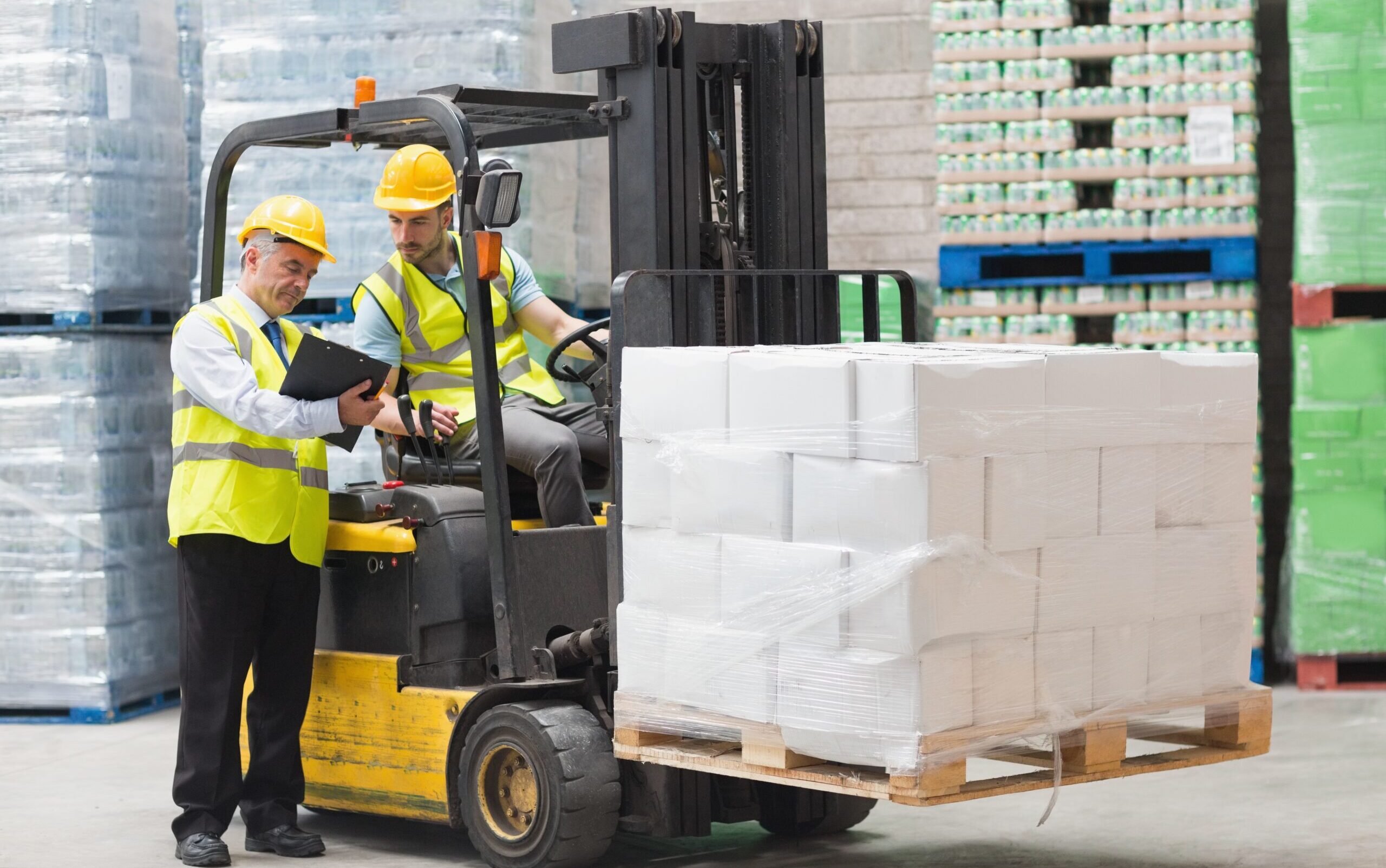
Train forklift operators to be aware of driving habits that increase the likelihood of a forklift overheating, such as overloading, speeding, and excessive use of the brake or inching pedal. Operators should also know the signs of forklift overheating and understand what to do when it happens. Need help with training? Look no further! Apex provides a variety of training services, including forklift safety training.
“Apex can also provide maintenance services, spare parts, and temporary rentals to help your facility endure the hot summer weather. Contact your Apex representative today to learn how we can assist in getting your Chicagoland forklift fleet ready for summer!”