
Electric Forklifts Generally Have the Edge, But Not Always
If you operate a forklift fleet, you have likely either switched to electric forklifts or have considered making the switch. Internal combustion (IC) forklifts have powered the material handling industry for over a hundred years, but are slowly being replaced by electric forklifts.
While electric forklifts have clear energy usage and environmental advantages, there are still situations where it may be preferable to stick with IC forklifts. Meanwhile, the increasing popularity and convenience of forklifts powered by AGM (absorbed glass mat) and lithium-ion batteries adds another factor to the calculation. We’ll look at those situations and explore the factors affecting the switch from propane and diesel fuel to electricity as the power source for forklifts.
Cost of Power Sources
This may be the biggest factor in making the switch from fossil fuel-powered to electric forklifts. If your facility is located in an area where fuel is cheap, you may be inclined to stay with your propane, natural gas or diesel forklifts. The same would hold true if you’re in an area where electricity is extremely expensive. In general, however, electric forklifts have been shown to be up to 75% less expensive to operate than fossil fuel forklifts.
Location – Location – Location!
Many indoor forklift fleets used in warehouses, distribution centers and light manufacturing facilities have transitioned to electric models. Electric forklifts are more environmentally friendly, create lower levels of toxic emissions, require less maintenance and avoid the disposal of used oil and other engine fluids.
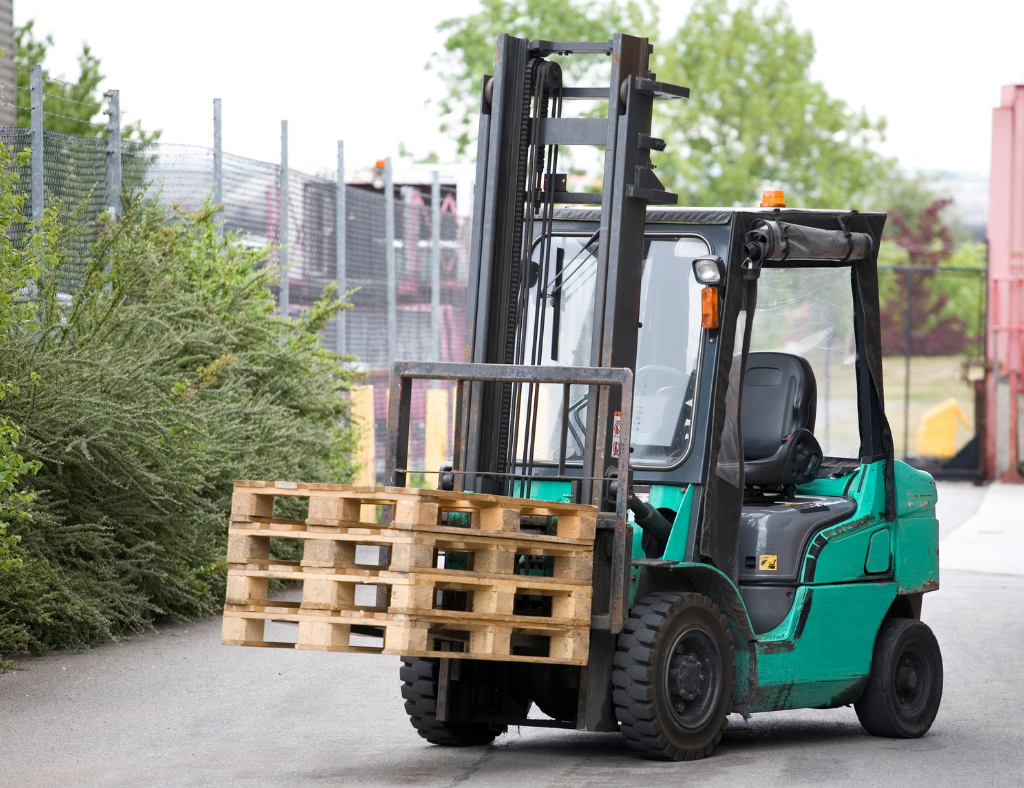
For outdoor use, emissions are less of an issue, although increasing regulation of vehicle emissions will make electrics as desirable outdoors as they are indoors. Outdoor ambient conditions are also a factor. Lead-acid battery-powered forklifts don’t fare as well as IC-powered trucks in extremely hot or cold conditions, but Li-ion battery-powered forklifts are less affected by extremes in temperature. At one point IC vehicles were designed to be more weather-proof than electrics, but that’s changed as well. Electrics are now designed to withstand the harshest environmental conditions. Check out our blog on specific cold storage forklift use.
Torque Capability
For large forklifts used in yards, ports, construction, agricultural and forestry applications, IC forklifts provide the torque needed for moving the heavy loads of these applications, although that picture is also changing. Li-ion battery technology has improved to the point where these hi-tech power units can compete with the legacy technology in terms of instantaneous energy burst ability.
In fact, one forklift company is already marketing a 90,000 lb. capacity, fully electric container handler, which is being used in ports in California.
Charging vs. Refueling
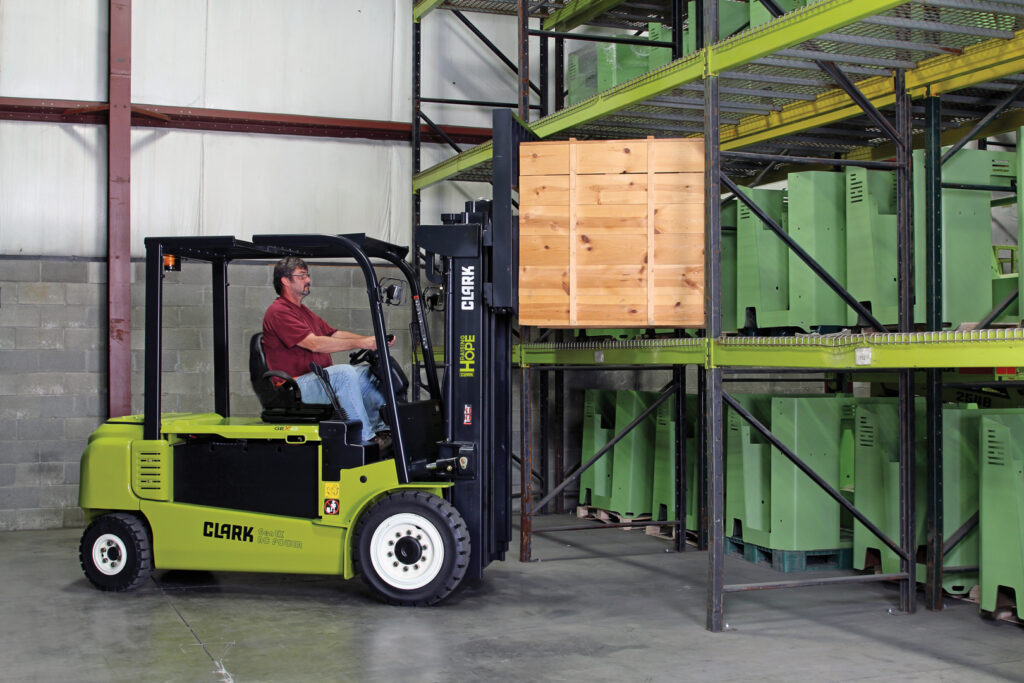
With IC-powered forklifts, it’s a relatively simple process to swap out the propane cylinder or fill up the gas tank. If you plan to make the switch to electric forklifts, you’ll have to allocate an area for storing and charging lead-acid batteries, and you’ll have to invest in charging stations. Smart chargers cost more but optimize your battery life. You’ll also need to construct an infrastructure to remove the heavy and cumbersome units from the truck and replace them. Even though you have probably dedicated an outdoor area for storing your CNG (compressed natural gas), propane or diesel, that space may be just a fraction of what you’ll need for a conversion to lead-acid batteries.
If you’re opting for Li-ion-powered forklifts, you won’t need the additional space, but you’ll need to make sure you have the electrical capacity and power outlets available near where the forklifts will be operating to take advantage of high-intensity opportunity charging–a key element in making Li-ion forklifts more efficient than lead-acid forklifts.
Operation and Maintenance Costs
Here, electrics have the big edge. Electric forklifts generate almost no heat, and heat is an engine’s enemy. There are very few mechanical moving parts to an electric engine, meaning no water pumps, no oil pumps, no oil changes, no filters to change (air and oil), no belts, camshafts or pistons, no transmission. There are very few mechanical repairs required with electric forklifts other than brakes, tires and maintaining the hydraulics and other standard moving parts not associated with the engine and transmission.
Li-ion battery forklifts offer an even more compelling argument for making the switch. Their durable batteries last twice as long as lead-acid batteries. One company, BYD, offers a 10-year warranty on its battery,
Operator Training
OSHA requires that all forklift operators have the proper training on the type of forklifts they will be using. There are differences in operating eclectrics and combustion forklifts, especially when it comes to the specialized knowledge of safely removing, charging and maintaining lead-acid batteries. With Li-ion and AGM batteries, this becomes less of an issue, but operators need to understand the benefits of fast charging and opportunity charging for making these newer technology batteries highly efficient choices.
Environmental and Ergonomic Impact
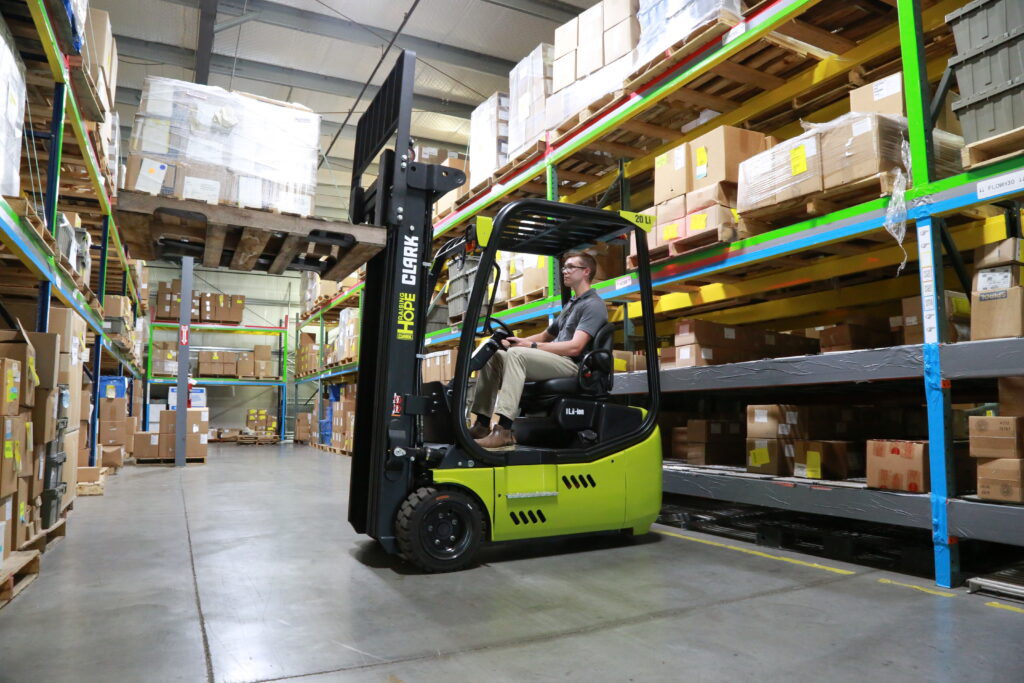
We should also mention that electric forklifts are safer and more pleasant for the operator. Electric forklifts don’t create the noise, the vibrations or the toxic emissions of an IC engine, thus providing a more comfortable and potentially more productive workplace environment. While there is the downside to maneuvering heavy batteries that need to be swapped out, and the potential for acid spills from charging up lead-acid batteries, the use of AGM or Li-ion-powered forklifts eliminates those issues.
 Cost and Timing Considerations.
The process of converting a fleet of forklifts from IC to electric starts with how you acquired your forklifts. If all of your forklifts were purchased, you may want to begin a process of retiring the oldest ones and replacing them with electrics. That entails having both charging and refueling stations at your facility until all the ICs are retired. Replacing all of your owned IC forklifts at once simplifies your operation but involves a sizable capital investment, since lead-acid battery forklifts have a higher upfront cost than IC-powered forklifts, and Li-ion powered forklifts cost even more.
If you’ve leased your forklifts, you may want to wait until each lease is up before you make the switch, unless you can strike a favorable deal with your forklift dealer for early lease termination. Again, you may wind up with a mix of ICs and electrics for a period of time. In the long run, however, electric-powered forklifts are more cost-effective because they have longer operating life.
Clearly, the process of switching from internal-combustion forklifts to electric forklifts is complicated and requires a substantial amount of analysis and research. That’s where Apex can help. Contact our experts to review your operation and help make the best use of your forklift investment . Apex is your center of expertise for all things material handling in the Chicagoland area.