
Steps to Improve the Environmental Impact of Your Forklift Fleet
As Kermit the Frog assures us, it’s not easy bein’ green –But that’s not entirely correct, especially when it comes to your warehouse or distribution center operations. More specifically, when you look at ways to make your forklifts and perhaps your whole fleet more environmentally friendly.
In general, it makes environmental sense to switch from internal combustion (IC) forklifts to electric forklifts, but depending on your specific application, that’s not always the case. Depending on the point from which you’re starting, there are steps you can take to reduce the environmental impact of these vehicles that are vital in moving goods from receiving docks to storage and then back out to shipping docks. Let’s look at some of the considerations.
Tread Lightly with Eco-Friendly Forklift Operation
Diesel Forklifts for Yard & Port Operations
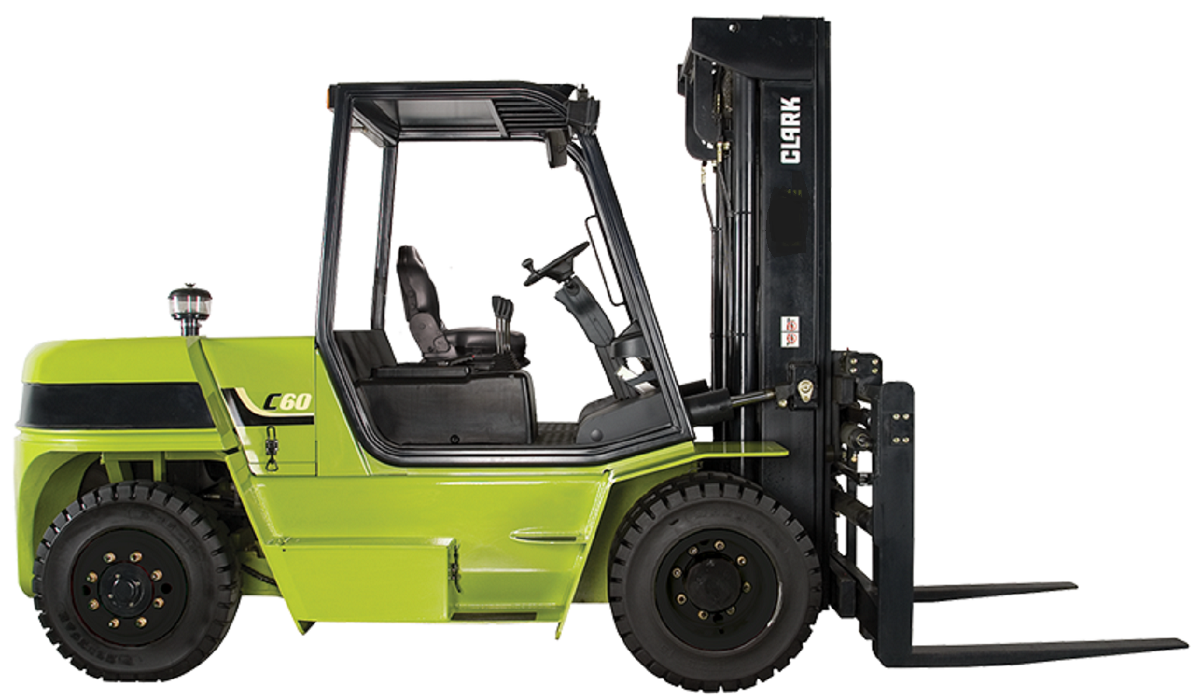
If your forklifts are predominantly used outdoors, especially for heavy-duty loads, you probably have a fleet of IC forklifts–most likely diesel-powered units. These “big rigs” offer the best efficiency in handling super-sized loads. But they are also the least environmentally friendly. The best way to reduce the environmental impact of your fleet is to make sure forklift trucks are fitted with the most advanced emission-reduction technology. When replacing vehicles, look for those with superior fuel economy. Determine if switching to propane/LPG or electric vehicles is possible. Strict adherence to a scheduled maintenance program ensures that your vehicles operate at peak efficiency – a tip for any type of forklift. Simple, common-sense operating procedures like not letting vehicles idle when not in use can also help reduce your fleet’s environmental footprint.
Propane/LPG Forklifts
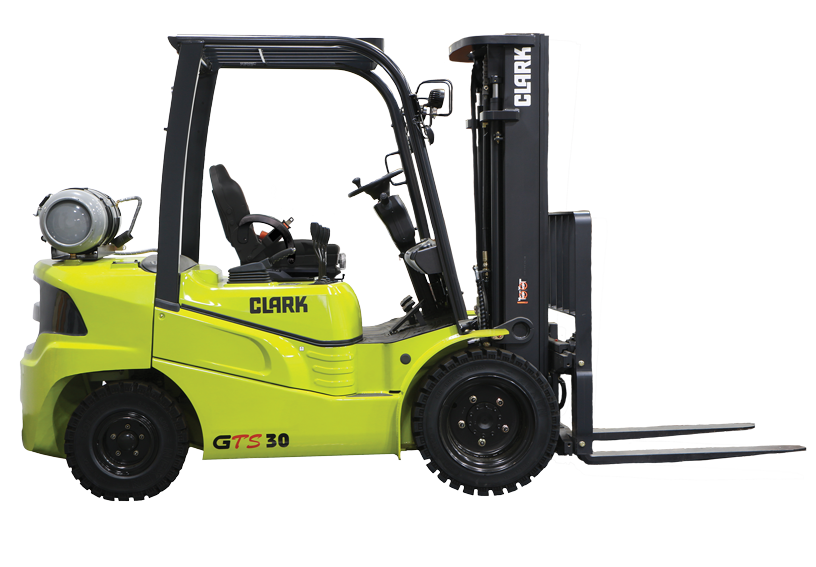
While electric-powered forklifts are now the leader in unit sales, propane-powered lift trucks are still widely used, and for some, the jury is still out as to whether they are more environmentally friendly than electric trucks. These forklifts are much more environmentally friendly than diesel vehicles and reduce the emission of greenhouse gasses by at least 90%. They are capable of both indoor and outdoor use, but they also need to be maintained on a strict schedule to provide the highest efficiency level. As with diesel trucks, shut it off when not in use.
Lead-Acid Battery Electric Forklifts
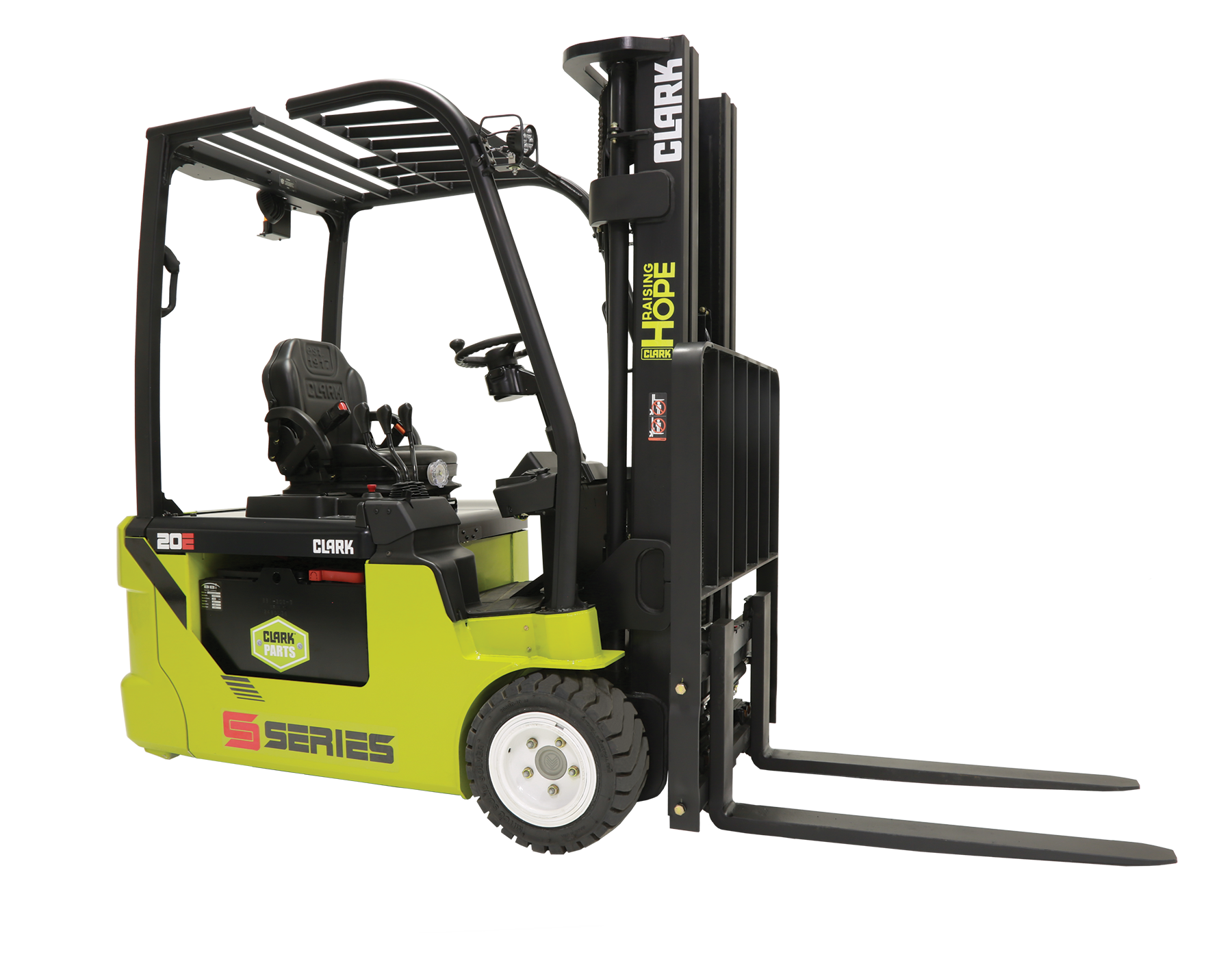 The gorilla of forklift power. Lead-acid batteries power ninety percent of electric forklifts sold. Their construction and operation require the use of some toxic materials, specifically lead and sulfuric acid. Still, they’ve been in the market for a century, and in that time, a robust recycling industry has grown up around them, creating a closed-loop lifecycle as long as they are properly disposed of at the end of their useful life. In operation, all battery-operated forklifts emit fewer greenhouse gasses than propane-powered forklifts and are more energy efficient on paper…but there’s a caveat. You have to plug the battery charger into an electrical outlet to charge the battery. How was that electricity produced? If it came from a “dirty” coal-fired power plant, you might not be reducing your environmental footprint at all by switching from propane to electric. If your power company is using natural gas-fired generators, the difference may be a wash, environmentally speaking. ]
On the other hand, if your utility has invested in solar- or wind-generated power, your battery-operated forklift fleet gets an environmental gold star. So the key to improving the “green-ness” of your battery-operated fleet lies in the source of your electricity. Some forward-thinking companies are now installing their own solar panels or wind turbines to make their electricity supply greener.
Beyond the source of your electricity, all the other “best practices” of running any forklift fleet apply to lead-acid battery vehicles. To contribute to a greener forklift fleet, follow these best practices –regular battery and mechanical maintenance, maintain correct tire pressure, and follow planned optimization of forklift utilization. Further, lead-acid batteries don’t do well in hot environments–it shortens their lives. Installing fans in your charging station is a good practical step. Another wise investment is updating your chargers. Smart chargers monitor the temperature of your forklift battery during charging, slowing down the juice if the battery gets too hot, and extending the life of your battery.
Lithium-ion Battery Electric Forklifts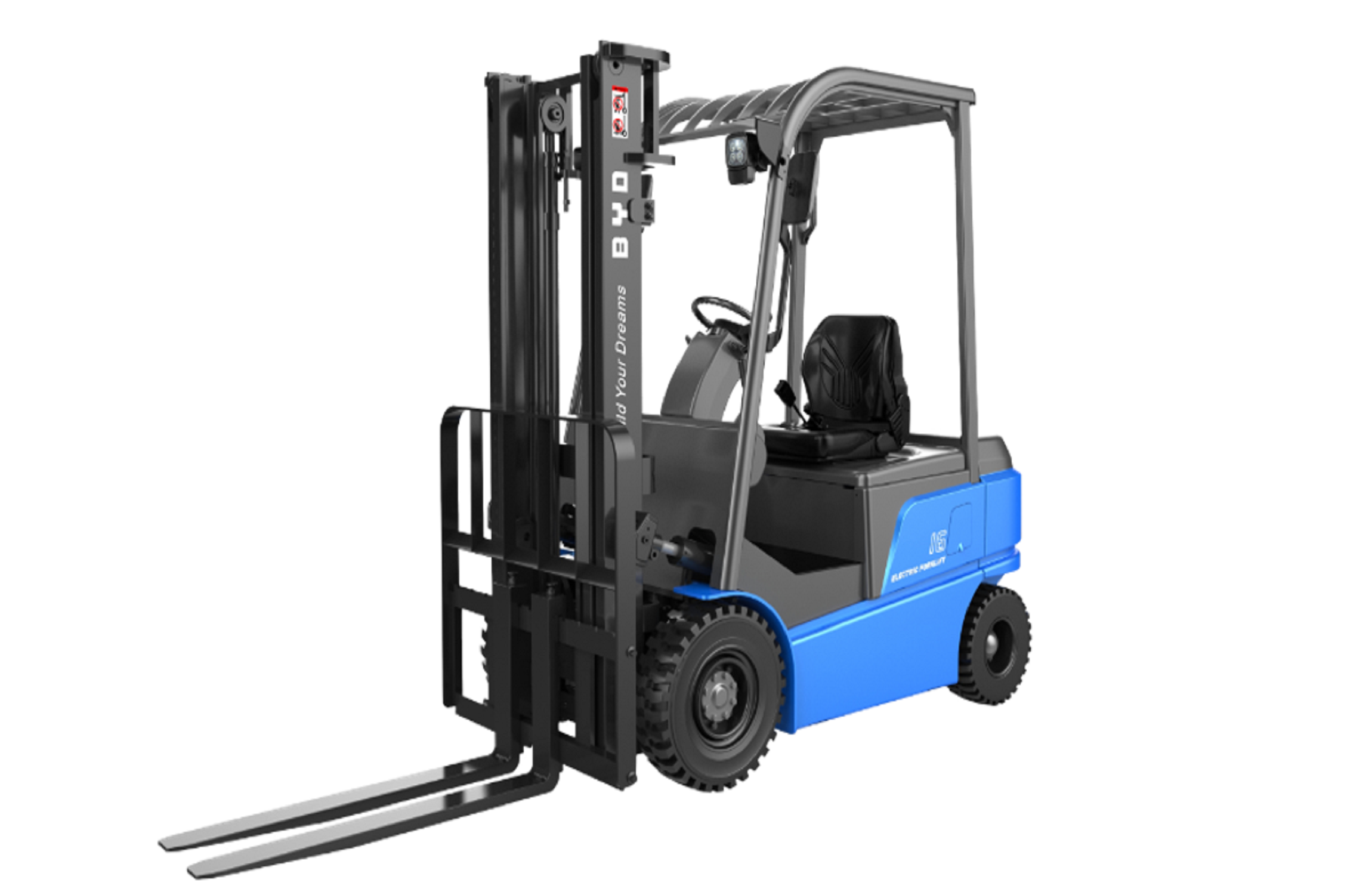
Lithium-ion batteries offer many operational advantages over lead-acid batteries. They are simpler and quicker to charge, last twice as long, require less maintenance, and take up less floor space for charging and maintenance. They are also considerably more expensive. Each forklift requires only one battery, which can really offset the initial cost if you run two or more shifts per day. In terms of environmental safety, Li-ion batteries are sealed, meaning there is no worker exposure to gasses or acid, nor do the 2,000lb batteries need to be handled or changed. However, the elements that make up a Li-ion battery are toxic, and at this point, there is not as robust a recycling industry for Li-ion batteries as there is for lead-acid batteries. Suppose you can recycle your Li-ion batteries in an environmentally friendly manner, and you are using a renewable resource for generating electricity. In that case, a Li-ion battery-powered forklift fleet is the gold standard in green forklift operation.
While You’re Thinking Green
There are a host of other modifications you can make to your warehouse or distribution center to make it a greener environment. We’ll cover those in future blogs.
Yet, you can get started today in making a difference. At Apex, we work with you to select the right type of forklifts for your operation and help you configure your forklift fleet–as well as your warehouse–so that they meet the highest eco-friendly standards. Apex is your best source for material handling and warehouse systems in the Chicagoland area.
Call today to speak with an equipment expert.