
HOW TO MAXIMIZE YOUR FORKLIFT PURCHASE DOLLARS
Purchasing new forklifts or replacing your fleet? What will the actual cost of that purchase be? Industry data indicates that anticipated average warehouse spending in the coming year is set to top $400,000 dollars and that 32 percent of warehouses remain “bullish” on spending. Over a quarter of these budgets are likely to be spent on lift trucks and related expenses. This means that every dollar has to be spent smartly and carefully. Here are some cost-related ownership variables to consider before your next forklift purchase.
Are They Built to List?
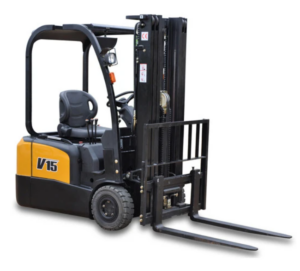 Above all, you want to calculate the point at which the price of equipment becomes cost-prohibitive versus beneficial. Examine the granular costs and benefits of any piece of equipment under consideration. For things like forklifts and automated guided vehicles (AGVs), calculate the per-hour cost versus their ability to affect daily and long-term net benefit. The maintenance and operating costs of a lift truck operating for a lightweight material-handling facility will be far less than one that is used for daily heavy-duty work. Compare similar models among different brands and assess whether they’re able to accommodate your workflow and inventory.
How Much Does It Cost to Fuel Them?
When examining the daily and long-term fuel costs associated with your forklift fleet, multiply the per-gallon cost of fuel by the number of gallons in your tank. Then calculate the number of hours it’s likely to be used. Consider other options to bring costs down. For instance, electric forklifts have considerable cost-savings benefits versus fuel-powered vehicles, but they may not always work well for your facility.
Is This the Right Tool for the Job?
Examine ergonomic specifications and see if the vehicle will be able to properly operate and maneuver inside your warehouse. Calculate variables like turning radius versus square footage, temperature specifications of your warehouse, maximum lift height, and more. Making sure your forklifts are compatible with your warehouse’s environment will ensure safe and effective operation and reduce maintenance costs due to factors like undue wear and tear, collision impact, and exertion.
Safety First
 Assessing safety feature differentials between models will help you keep your employees protected and comfortable, diminishing the risk of accidents and potential liability. Look at the safety features for each forklift you’re considering and identify if they’re able to provide the right level of protection.
Comfort and Ergonomics for Productivity
A comfortable employee is going to be more productive and energized. Make sure that the forklifts you’re considering have sufficient comfort and ergonomic features that can facilitate eight continuous hours of operation.
Each forklift purchase brings a variety of questions and factors to consider. Apex is ready to help you on your journey. Contact our team today at 833-226-4573.