Applying Forklift Telematics to Monitor & Improve Warehouse Function
When I blew out a tire on my Subaru, I got an email from the company alerting me of “low tire pressure.” Clearly, I didn’t need them to tell me that, but it is interesting to know that Big Brother is watching over me, in this case, benevolently. Forklift Telematics operates in much the same way.
Now that wireless technology is ubiquitous, it’s natural to shift from manual reporting and recording of machine operating parameters to automation. Operators of all sorts of machines–forklifts included–can be alerted if something is amiss. And telematics is not restricted to just new forklift purchases. Your existing fleet can be retrofitted for telematics.
What Are the Basic Elements of Forklift Telematics?
While Forklift Telematics systems have become very sophisticated, there are a handful of basic telematics operations.
- Impact Detection – Sensors installed on the forklift are triggered when the forklift collides with something. Collecting this data over time, combined with location-sensing, can reveal accident-prone operators and that need additional training or areas in your warehouse or facility that may need to be redesigned because they are accident hot spots.
- Training – According to OSHA guidelines refresher training is a must when an operator has been in a collision. Telematics are an excellent tool in monitoring collisions and making sure that these training requirements are being met. It’s important to note that telematics cannot monitor near miss incidents though, and all operators should undergo refresher training every three years.
- Automated Checklist – Previous blogs have stressed the importance of pre-shift checklists. With a telematics pre-shift checklist, the forklift is equipped with an electronic module that prompts the operator to run through the inspection list. Failure to complete this step locks the forklift. Download pre-shift checklists.
- Secure Forklift Access – Each qualified forklift operator is provided with a badge or fob that allows the forklift to start. This prevents unauthorized personnel from using the forklift. Biometric systems for access are also available.
- GPS Tracking – Location detection of your company’s forklifts allows managers to see where the forklift is within the facility, while geo-fencing prevents operators from straying outside their prescribed work area.
- Forklift Utilization – Find out if your forklifts are being productively used or are spending a lot of time sitting idle. This data can help you optimize your fleet size.
- Maintenance Records and Service History – Operators and managers can be automatically alerted about when a vehicle is due for scheduled maintenance.

Beyond The Basics
- Real-time Forklift Diagnostics – Sensors can be installed to measure fuel levels, hydraulic line pressure, battery parameters, tire conditions, and more. When the detected data falls out of spec, both the operator and manager are alerted, and in severe situations, the forklift can be automatically shut down.
- Safe Operation Data – sensors can alert operators and managers if the forklift’s load capacity is exceeded or if the forklift is traveling at a speed that presents a hazard to the operator, workers in the area, or the load being transported. Speeds can be automatically controlled for specific warehouse areas known to be prone to speeding accidents. Operator assist functions such as real-time location services can alert forklift drivers to obstacles or pedestrians in the warehouse.
- Optimization of Forklift Movement and Warehouse Design – Geo-location data can be analyzed to optimize forklift routes and the layout of warehouses to maximize productivity. Telematics data can be directly input into a Fleet Management System or Warehouse Management System to provide an even higher level overview of facility productivity.
- All-device Access of Data – Contemporary telematics systems allow managers to view forklift fleet data on mainframes, laptops, tablets, and cell phones, enabling immediate response to out-of-spec vehicle or operating data.
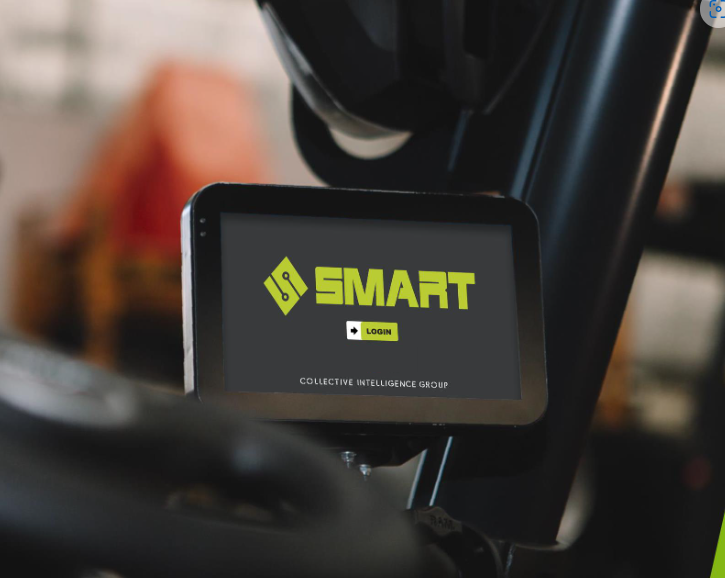
Apex now offers Clark Material Handling’s CLARK SMART and CLARK SMART FLEET telematics solutions on its new forklifts. CLARK SMART is also available as a retrofit for any make of forklift.
Contact your Apex rep today to learn how to make your forklift fleet safer and more productive using telematics. Apex is your material handling headquarters in the Chicago area.