
Still not Sure About Electric Forklifts?
Electric forklifts are more environmentally friendly, safer, and, in the long run, cheaper to operate. In 2023, some 70% of forklifts sold were electric forklifts…and the numbers are growing. But there are speed bumps on the road to an all-electric forklift future. If you make the switch, do you go with lead-acid batteries, Li-ion batteries…or hydrogen fuel cells? Read on to help steer your choice…
What are the 7 Key Reasons Companies Are Switching to Electric Forklifts?
1. More Economical
Fuel: Electric forklifts offer significant cost savings compared to internal combustion (IC) forklifts. Fuel costs for IC-powered forklifts can be unpredictable and vary considerably depending on your location and geopolitical events, leading to unexpected spikes throughout the year. In contrast, electric rates tend to be stable, providing more predictable operating expenses.
Maintenance: Moreover, electric forklifts are mechanically simpler and less expensive to maintain. With far fewer moving parts in the electric motor, they eliminate the need for oil changes, coolants, belts, filters, hoses, and exhaust system maintenance. This reduction in maintenance not only lowers costs but also leads to far less downtime over the forklift’s useful life.
2. Expanded Capabilities
One of the key advancements driving the rise of electric forklift adoption is their enhanced capability to handle outdoor tasks and higher capacities. Manufacturers have significantly enhanced these forklifts with solid pneumatic tires and weather-sealed electric components, enabling reliable performance in outdoor environments. Capacities have seen a remarkable increase—from a previous maximum of 5,000 lbs to nearly triple that in many models, with leaders like Linde pushing limits up to 18,000 lbs. These advancements underscore the substantial strides made by manufacturers, making electric forklifts increasingly appealing for tough operational environments.
3. Environmental & Ergonomic Considerations
Electric forklifts offer significant environmental benefits over fossil-fuel-powered counterparts, although this advantage varies depending on the electricity generation method in your area. Many corporations prioritize sustainability, aiming to decrease reliance on combustion as a power source.
In addition to environmental benefits, electric forklifts provide a smoother operation with no vibrations from an internal combustion engine, zero emissions, and no heat generation. This contrasts sharply with the discomfort of sitting atop a hot engine during summer, especially in facilities with multiple IC forklifts contributing to increased indoor temperatures.
4. Safety Considerations
Two big considerations: noise and emissions. IC forklifts can be loud, especially in a cavernous warehouse without acoustic treatment. They also generate emissions that can be hazardous to the health of both warehouse workers and forklift operators.
5. Emissions Regulations
In many areas, national, state, and local governments have laws on the books that will sunset the use of fossil fuels for forklifts within the next decade–some as soon as five years or so. Companies are trying to get ahead of the game and prepare for these regulatory changes. As an incentive, many government agencies and utilities currently offer rebates or grants for making the switch to electric forklifts, further increasing the financial benefit of taking this step.
6. Evolution of Battery Technology
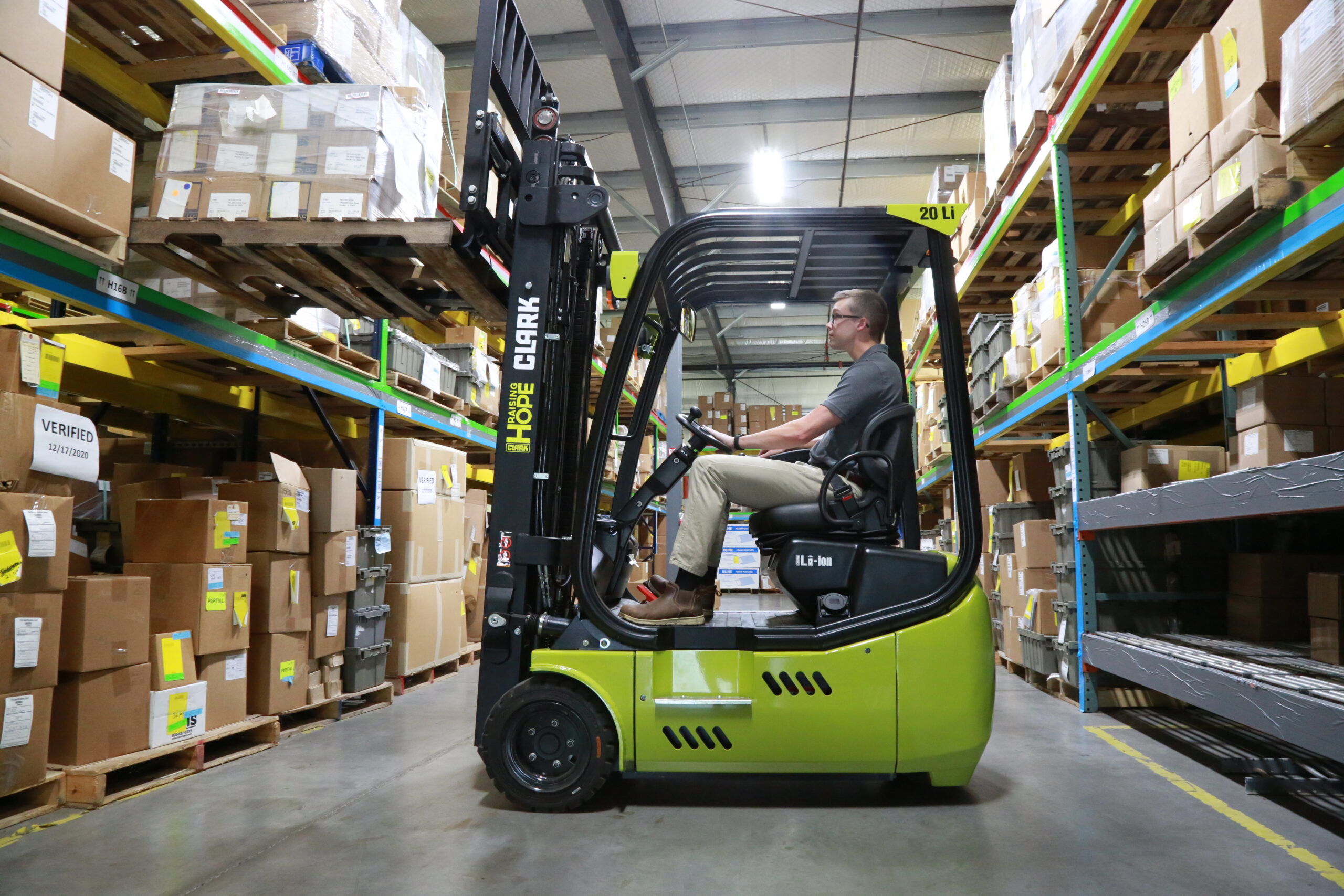
The advent of Li-ion battery-powered forklifts has further accelerated the shift to electric forklifts by eliminating some of the operational headaches of maintaining a fleet of lead-acid battery forklifts, such as requiring heavy-duty equipment for battery removal and replacement, needing to create battery storage and charging areas, having to monitor and replenish electrolyte levels, and needing to take batteries out of service for extended periods for recharging and conditioning. Li-ion batteries can be opportunity-charged during operator breaks and meals, providing far greater uptime. Additionally, Li-ion batteries last considerably longer than lead-acid batteries.
7. About Hydrogen Fuel Cells
Depending upon your location and your local hydrogen supply, electrical forklifts powered by hydrogen fuel cells also check all the boxes for making the leap from fossil-fuel-powered forklifts.
And Now, Getting Over The Bumps
Upfront Cost
Internal combustion forklifts are less expensive to buy. That’s because the most costly item in an electrical forklift is the battery. That difference is even greater if you’re considering converting your fleet to Li-ion batteries. EV costs over the long term are lower, however, due to fuel and maintenance expenses. These operational efficiencies, combined with reduced emissions and longer equipment lifespans, help offset the upfront investment.
Electrical Infrastructure.
You’re gonna need a lot more power. Does your facility have the wiring to handle the additional amperage? Making the switch may require investing in a big electrical upgrade. Switching to lead-acid batteries is also going to require dedicated battery charging and storage areas, as well as equipment for battery swapping. Switching to Li-ion batteries is much simpler. To recharge them, you just plug them in. Plus, Li-ion batteries support opportunity charging, allowing you to stagger power use throughout the day.
Battery Charging Considerations
Managing lead-acid battery changing and storage/charging requires significant space. Typically, you would dedicate areas for 8-hour charging cycles followed by 8-hour cooling periods before usage. These areas must be well-ventilated to disperse noxious gases emitted during charging.
In contrast, Lithium-ion (Li-ion) batteries offer quicker and more efficient charging without extended cooling periods. Although they do not emit noxious gases, adequate ventilation during charging is necessary to control heat dissipation and ensure safe temperatures. While Li-ion batteries have flexible storage requirements and may not always need a dedicated battery room, storing them in a cool, dry area with proper ventilation is crucial for safety and longevity.
Grid Capability
Another consideration is the capability of your local electric utility. Does it have the capacity to provide you with the additional power that you’re going to need to charge all of your new electric forklifts? If you are required to stagger your recharging schedule — Li-ion-powered vehicles afford you the best solution with opportunity charging.
Operator Training
Your forklift operators will require re-training and certification not just for operating the forklift but also for handling batteries, chargers, and all associated safety equipment (such as protective glasses and gloves for servicing). Apex provides comprehensive group training at your facility tailored to these exact needs. Additionally, we offer personalized one-on-one training at our Smoke Tree facility.
Culture Change
Don’t downplay the effect that switching from IC to electric might have on your forklift operators. Drivers get used to their trucks and have a sense of pride and ownership in using them. Not only will they have to make a psychic shift, but they’ll also need retraining to learn the care and feeding of a different animal.
Positioning the switch to your operators is made a little easier when you demonstrate the quieter and smoother vehicle operation that reduces fatigue and improves comfort during long shifts. The zero emissions create a healthier work environment, especially in indoor or enclosed spaces, and minimal maintenance means fewer disruptions for drivers.
The Takeaway
Making the switch from IC- to battery-powered forklifts makes a lot of sense for most forklift fleets from economic, environmental, and efficiency standpoints. As the availability of Li-ion battery forklifts increases and the price of those batteries decreases, the argument becomes stronger to take advantage of the simplicity, safety and increased uptime of forklifts powered by Li-ion batteries. In fact, Li-ion-powered forklifts are projected to harness over 50% of the total forklift market by 2029.
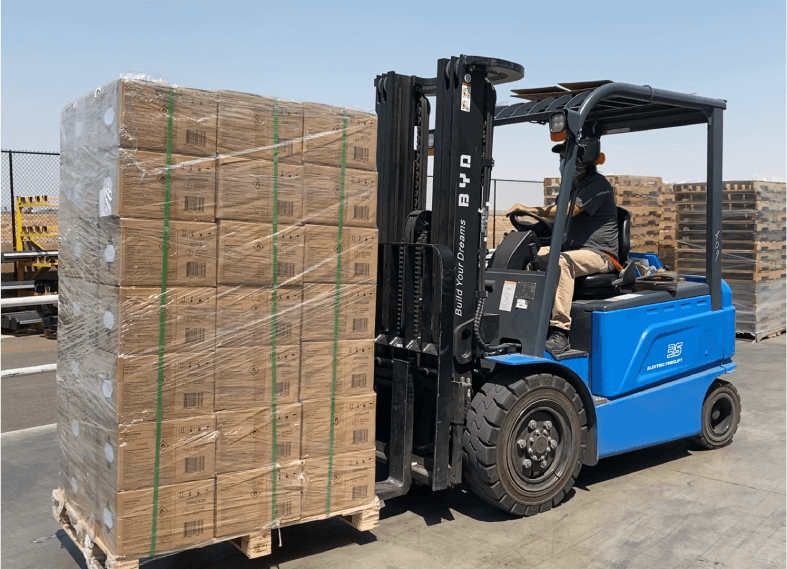
If you’ve decided to make the switch, you’ll need a reliable partner to help facilitate the transition. Let Apex be that partner. We can supply you with electric–and Li-ion-powered–forklifts from Linde, Clark, BYD, and Big Joe.
To counterbalance the higher upfront cost of electric forklifts, consider leasing or a lease-to-buy arrangement. Your Apex rep can help you structure an arrangement that works for your bottom line.
We also offer servicing and spare parts for all those vehicles—and operator training. We can help your staff acquire the skills and knowledge to operate and maintain the forklifts of the future. At Apex, we’re your national material handling experts. Contact us at 833-226-4573 or www.apexmhc.com